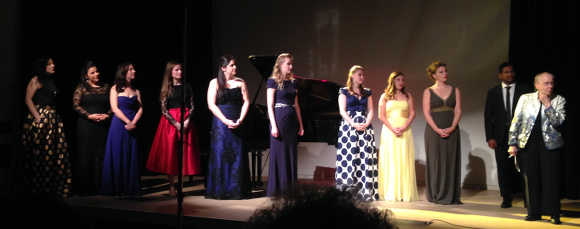
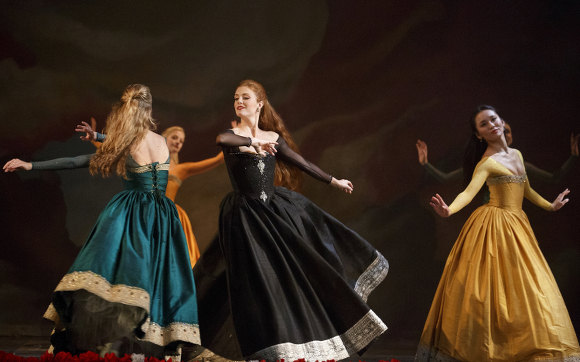
The Glenn Gould School at the Royal Conservatory of Music opened a two performance run of Viardot’s Cendrillon last night at Mazzoleni Hall. The conceit was that we and the performers were all guests in Mme, Viardot’s salon and to this end we were all given a slip of paper with our character name on it but I promptly lost mine and it wasn’t actually needed for anything, Cute idea though. It also allowed for a production that fitted with the acutely limited staging resources of Mazzoleni. The piece is heavy on dialogue and it was presented in English, in an updated translation that had its moments. I doubt the Viardot household had ever heard of “organic, non GMO, fair trade” coffee.

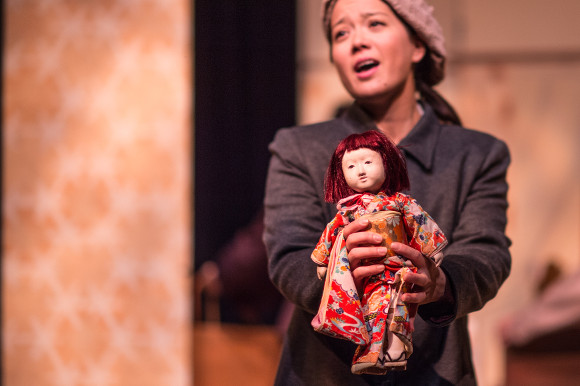

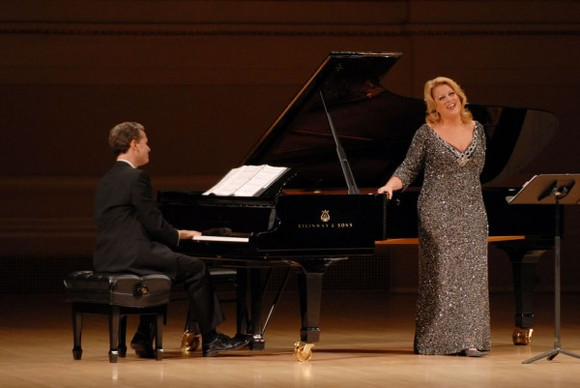
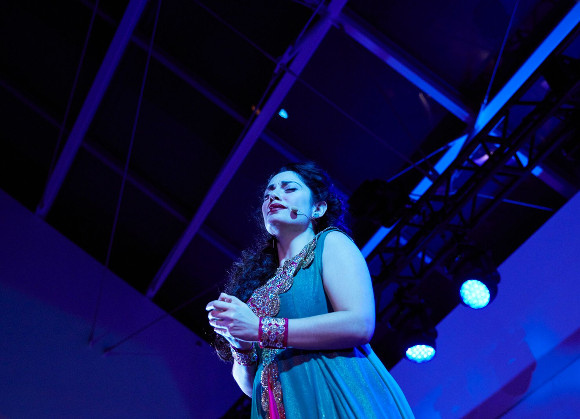

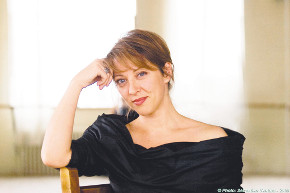 The first concert in this season’s Mazzoleni Songmasters series featured sopranos Nathalie Paulin and Monica Whicher with pianists Peter Tiefenbach and Robert Kortgaard in an eclectic program of English and fFrench songs on the theme of coming and going. First up was a set of Purcell songs which is always going to score brownie points with me. I’ve never heard Sound the Trumpet or Be Welcome, Then, Great Sir sung by female voices so that was interesting. The duet was really nice and Nathalie sang quite beautifully in the welcome ode. Monica followed up with fine versions of Dear Pretty Youth and An Evening Hymn.