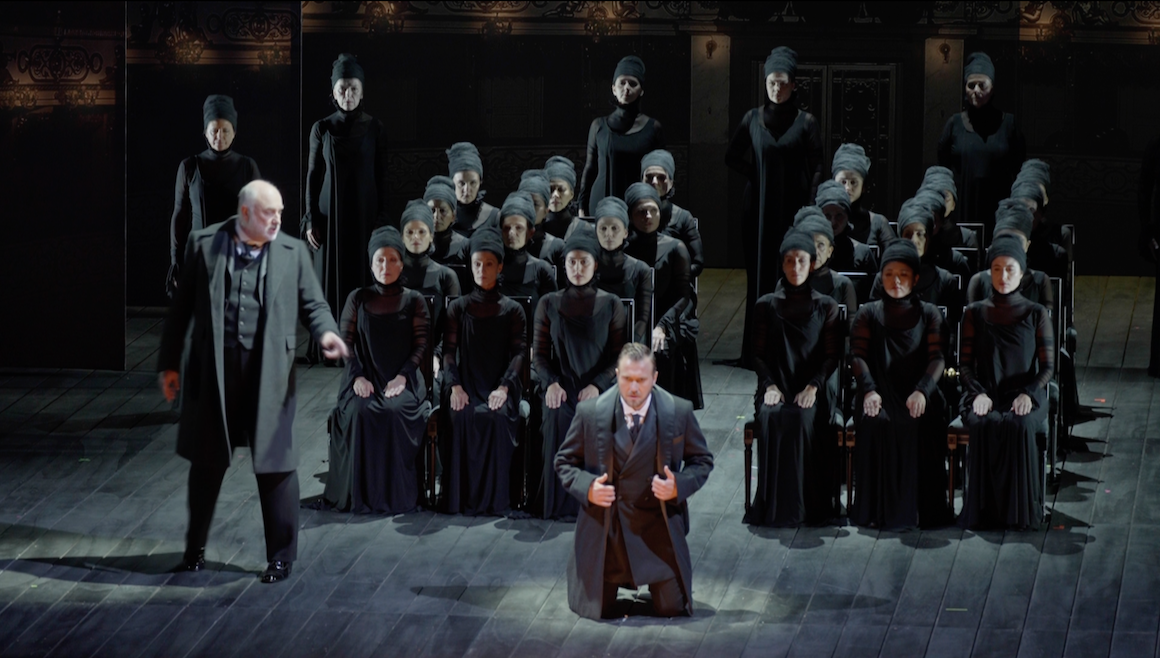
My review of the Blu-ray recording of Tchaikovsky’s Eugene Onegin, in a frustrating production by Christof Loy at the Teatro Real in Madrid in 2025, is now available at La Scena Musicale.
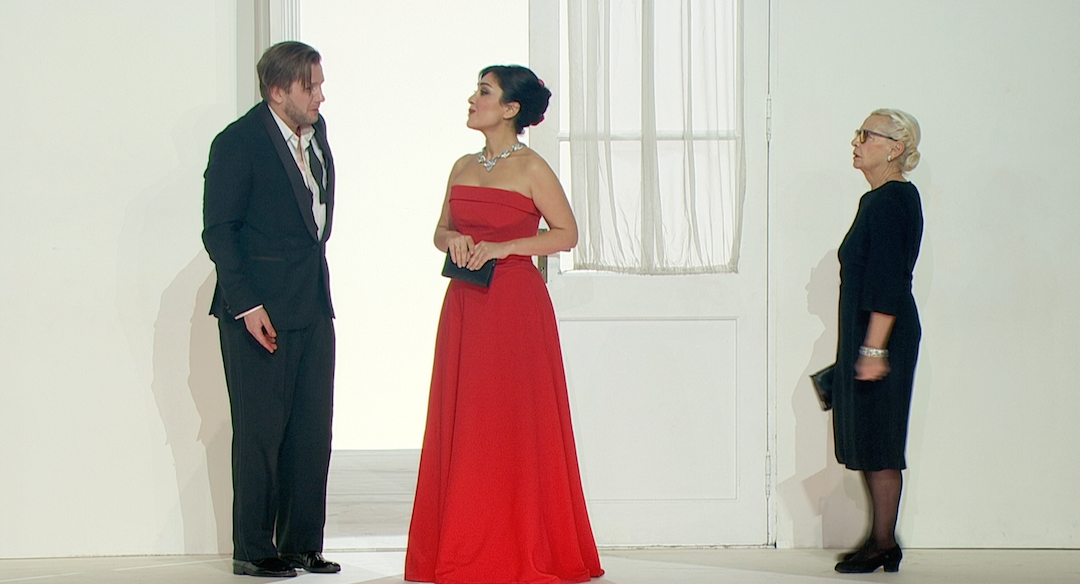
Catalogue information: Euroarts Blu-ray 8024248744

My review of the Blu-ray recording of Tchaikovsky’s Eugene Onegin, in a frustrating production by Christof Loy at the Teatro Real in Madrid in 2025, is now available at La Scena Musicale.
Catalogue information: Euroarts Blu-ray 8024248744
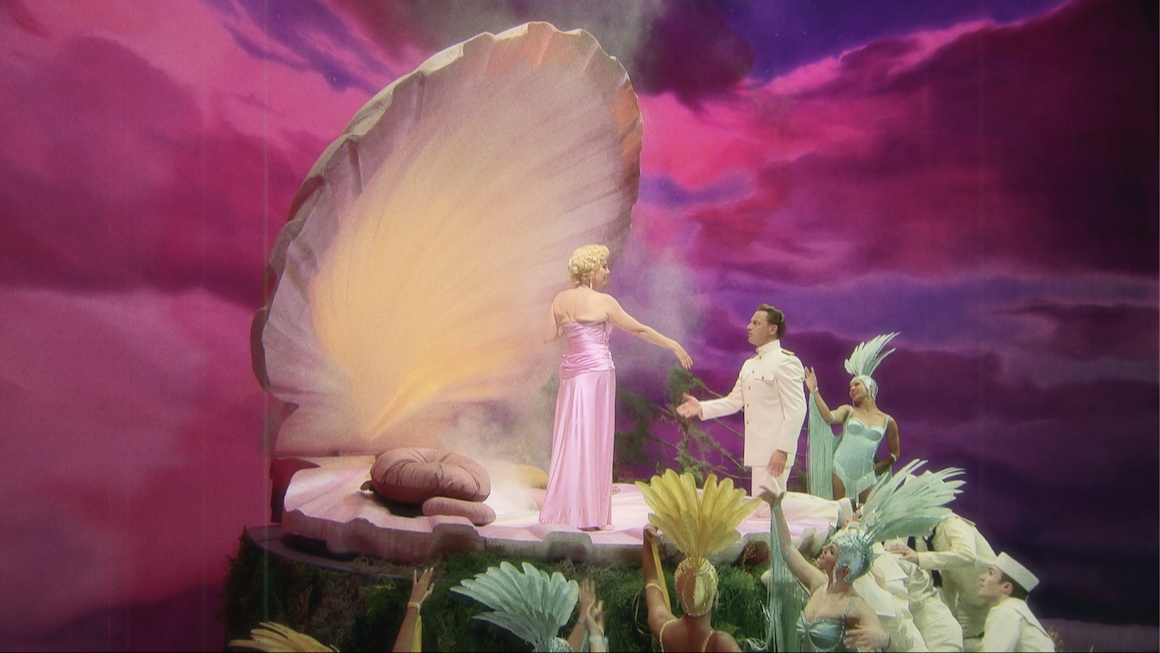
Dvořák’s Rusalka seems to be a favourite for directors to give the “high concept” treatment. That’s certainly the case with Philipp Stölzl and Philipp M. Krenn’s production for Dutch National Opera recorded in Amsterdam in 2023.
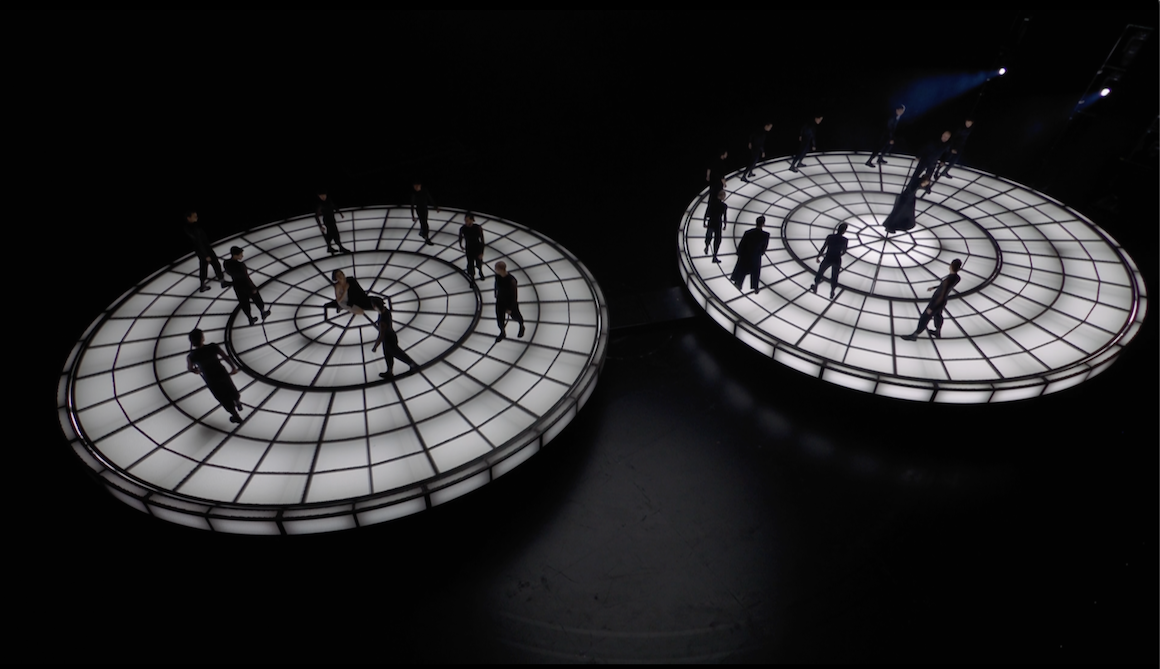
Ulrich Rasche’s production of Donizetti’s Maria Stuarda, staged in the Großesfestspielhaus at the Salzburg Festival in 2025, is austere and interesting. As most people know, the libretto, based oin a play by Schiller, is not at all historically accurate and invents a relationship between Robert Dudleigh, Earl of Leicester, and Mary Stuart that never existed but turns the opera into a love triangle in which the two queens are vying for Leicester’s attention! Rasche’s production runs with this angle and what little sense of actual political events there is n the opera is pushed into the background.
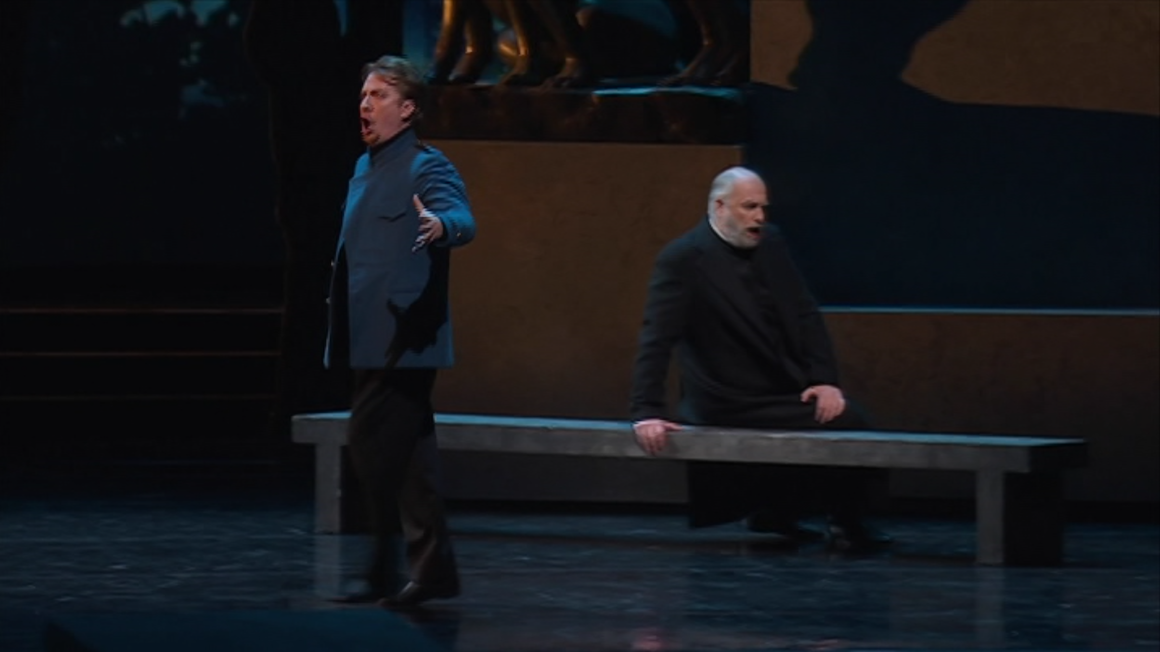
The 2023 video recording of Donizetti’s Lucia di Lammermoor from Milan’s La Scala is quite interesting. The production is not especially exciting but the singing; especially the partnership of Lisette Oropesa, as Lucia, and Juan Diego Flórez as Edgardo is. The rest of the singing is excellent as is the orchestral playing. It’s also given without the usual cuts.
There’s a French version of Verdi’s Macbeth dating from 1865 and based on the 1847 Italian version. It was performed at the Verdi festival in Parma in 2024 and recorded for video. It’s not enormously different from the original though, unsurprisingly, there’s more ballet (at the beginning of Act 3). The ending is just as weirdly abrupt at least (*). In 1847 this was a transitional work with Verdi moving away from bel canto but here’s there’s still lots of rather jolly music accompanying either sinister or bloody scenes. By 1865 that must have sounded a bit odd.
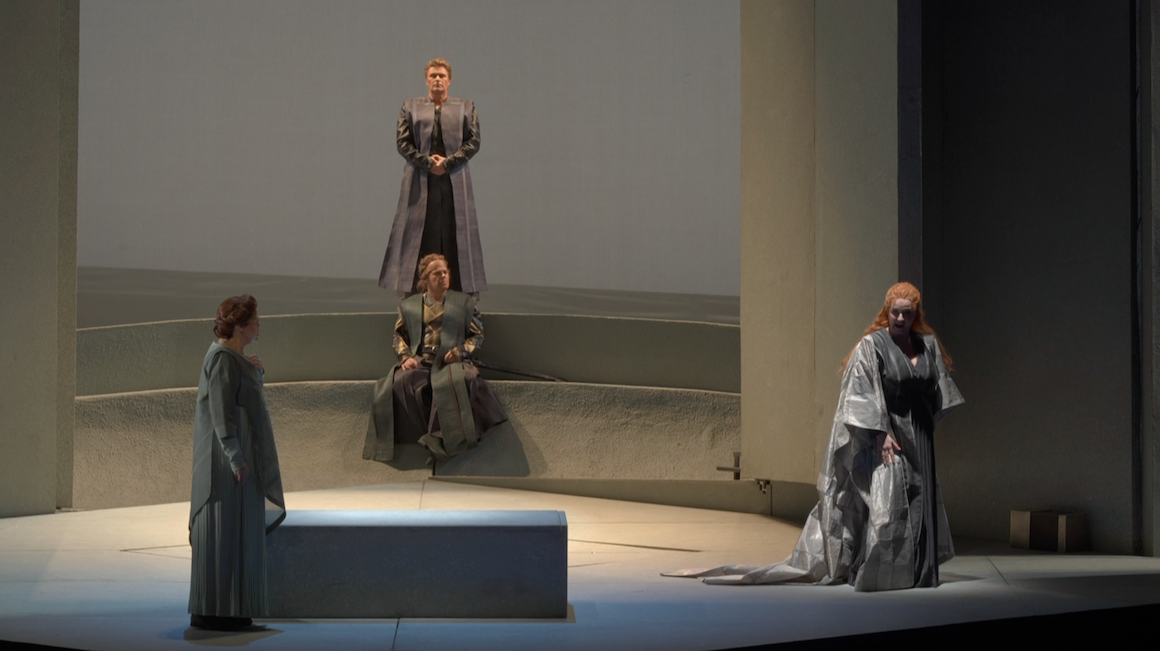
Marco Arturo Marelli’s production of Wagner’s Tristan und Isolde first appeared at the Semperoper in Dresden in 1995. It was revived in 2024 and recorded for video. It’s an elegant, straightforward production. There’s no “concept” but equally there’s not much attempt at “realism” either. Sets are monumental and abstract. Costuming is opera house medieval. On the few occasions props are needed they are what they are; a cup, swords etc. Atmosphere is mostly down to the lighting and the focus is on the singing and acting.
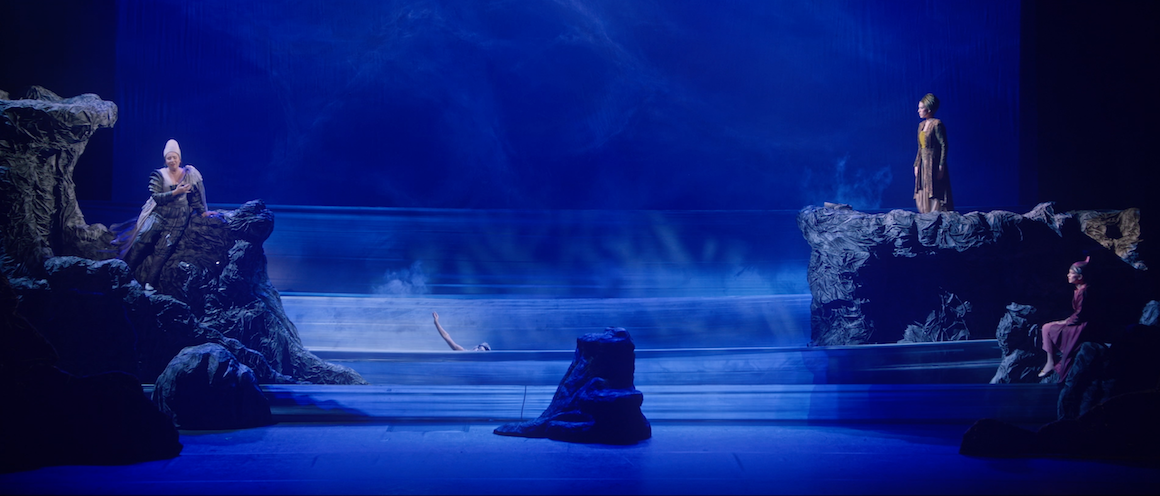
The latest video recording of Purcell’s Dido and Aeneas is from Versailles. It’s a 2024 recording using the same production, by Cecille Roussat and Julien Lubek, as the 2014 Rouen recording and, like that one, there’s a lot of additional instrumental/dance music consistent with the idea that the piece was conceived as a court entertainment in the French style. There’s not much point in repeating what I said back then about the production. Check out the earlier review.
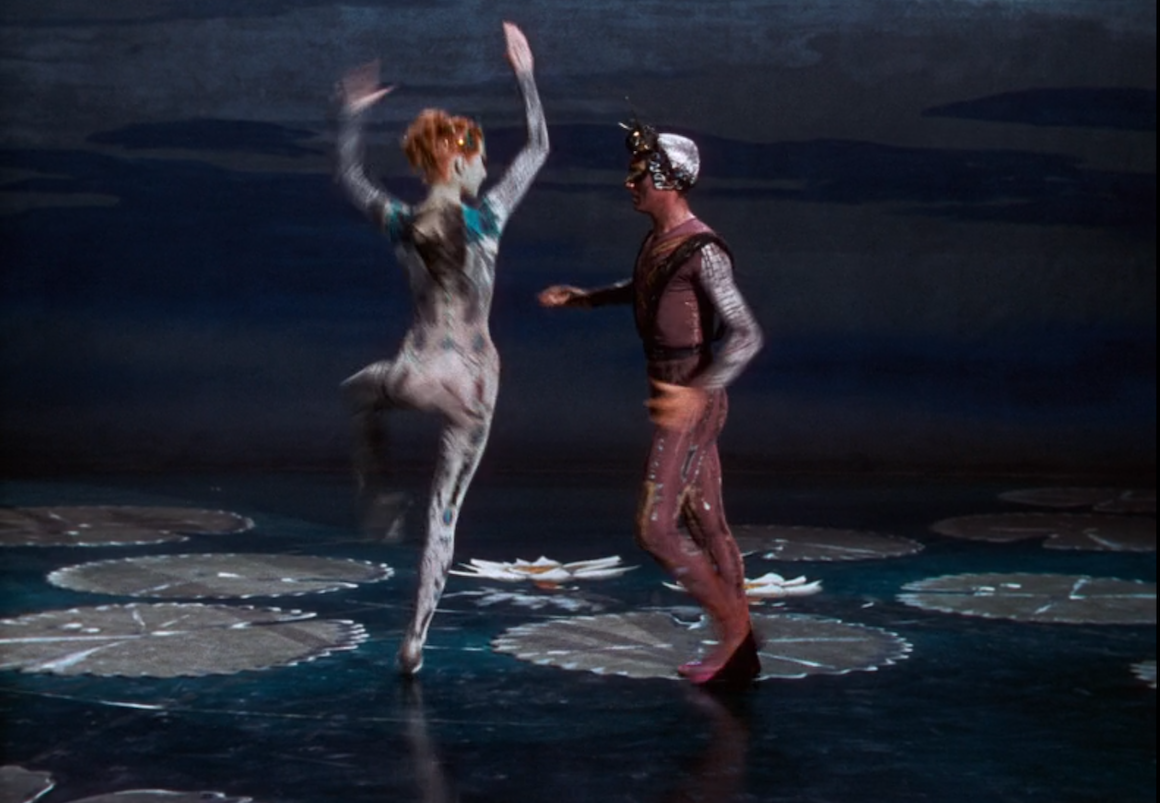
So the other Pressburger and Powell film that I recently acquired is their 1951 version of Offenbach’s The Tales of Hoffmann. There have been claims that this is the first film made of asn opera as opposed to a film of an opera performance but, assuming one accepts that Die Dreigroschenoper is an opera then that prize surely goes to the 1931 Pabst film.
I recently got my hands on restored versions of two Powell and Pressburger opera films. The first is a film of Bartók’s Herzog Blaubarts Burg broadcast on Süddeutscher Rundfunk in 1963. It’s directed by Powell alone I think. The current version was restored by the BFI from an original Eastmancolor negative in their archives and a sound master on magnetic tape from SDR under the supervision of Martin Scorsese and Powell’s widow Thelma Schoonmaker. It was subsequently released on Blu-ray by BFI in 2023 but currently seems very hard to find! It doesn’t help that the BFI on-line shop is currently off-line!
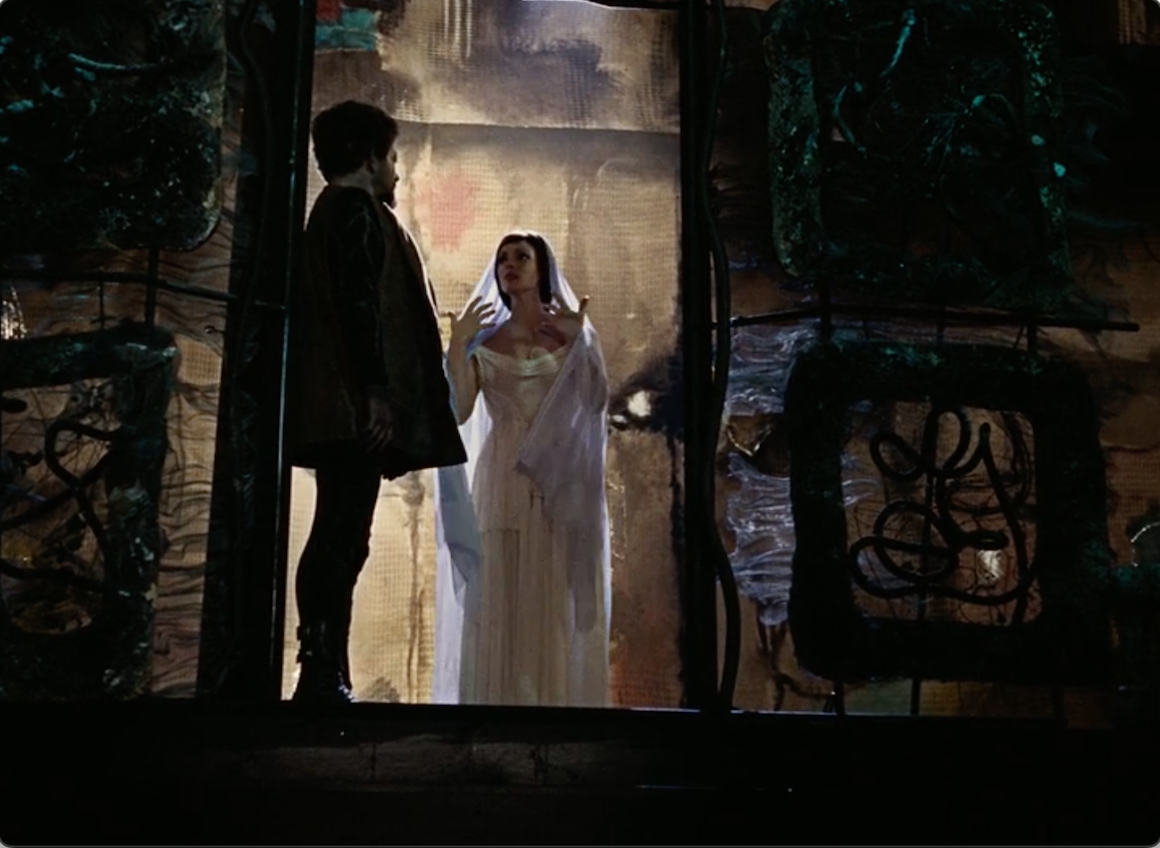
Offenbach’s The Tales of Hoffmann is a rather difficult opera to stage. There’s no definitive performing edition and there’s a lot of (too much?) material to work with so decisions have to be made about what to cut. There’s also the fundamental problem of how to frame the stories of Hoffman’s three great loves as he’s supposed to be recounting them in a bar, while drunk, some years after the events described. Plus, there is some sense that all three are really just projections of his current infatuation; the opera singer Stella.


