
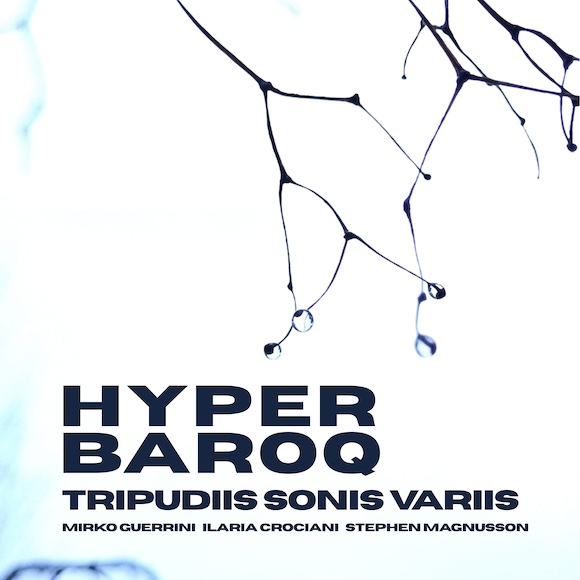
 I don’t often listen to CDs released on Australian jazz labels but I did come across tripudiis sonis variis from the Melbourne trio Hyperbaroq and was quite intrigued. It’s a set of performances of, mainly, Italian baroque music. Composers such as Monteverdi, Scarlatti and Strozzi feature but there are also a couple of earlier pieces in Latin and Galician and two English songs; one by Henry Purcell and a Robert Johnson setting of Ben Jonson.
This is not your typical HIP baroque performance. Hyperbaroq’s style is highly improvisatory and incorporates a lot of atypical instruments as well as pre-recorded electronics. The results are interesting but the dominant style seems to be a kind of cool jazz sound. This is very evident in their version of Scarlatti’s O Cessate Di Piagarmi; which features saxophone and electric guitar along with vocals. Some other tracks are rather different though. Monteverdi’s Lamento Della Ninfa gets a much more experimental feeling treatment with lots of electronics and the 13th century Galician Ay Ondas Que Eu Vim Veer makes interesting use of nature sounds and electronic effects. There’s also a weirdly boppy but rather enjoyable version of Purcell’s Music for a While. It’s pretty varied though I think I could have used more up tempo, high energy material as it mostly feels pretty relaxed.
Continue reading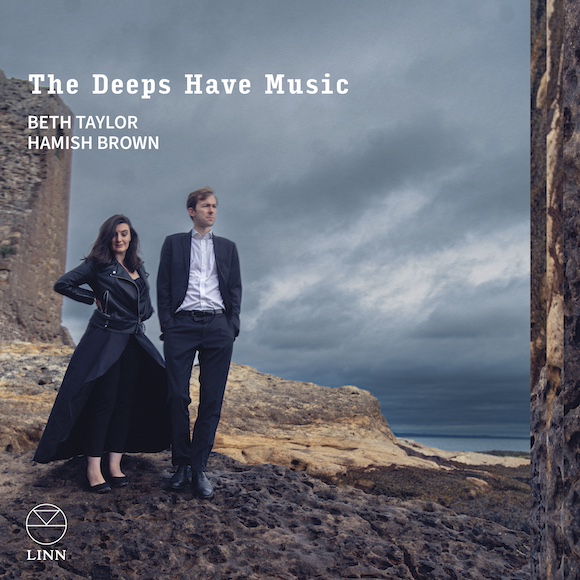 The Deeps Have Music is a new record from mezzo Beth Taylor; a Cardiff Singer of the World finalist in 2023, and pianist Hamish Brown. It’s distinctly sea themed with songs predominantly in English with a few French and German numbers for variety.
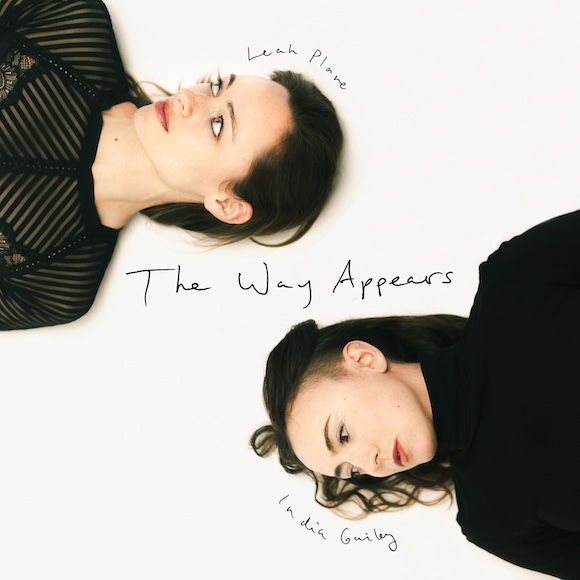 The Way Appears is a CD by cellist duo Leah Plave and India Gailey. It consists of seven commissioned pieces by young(ish) Canadian composers who were asked to create pieces in which the two instruments function as equal partners rather than, say, as soloist and continuo. It’s a really varied and interesting collection providing a little over forty minutes of music.
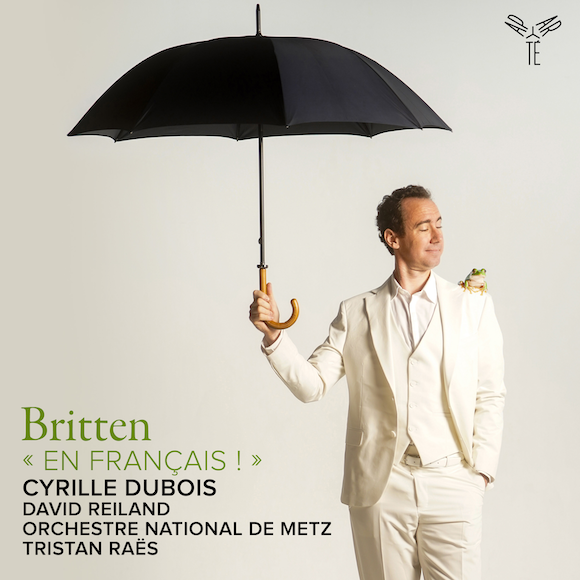 French tenor Cyrille Dubois has collected some of the better known Britten works “en français” for this recording. One normally hears these works performed by English singers in what is pretty much an “official” Britten style so I was intrigued to hear them interpreted by a native French speaker, albeit one with a track record of performing Britten’s operas, song cycles and choral works!
 Lili Elbe; music by Tobias Picker, libretto by Aryeh Lev Stollman, is an opera set in the late 1920s. The essence of the plot is the surgical transitioning from male to female of the Danish painter Einar Wegener to become Lili Elbe. It’s the first instance historically of such a transition and it deals, inter alia, with issues of identity and acceptance that still resonate today.
 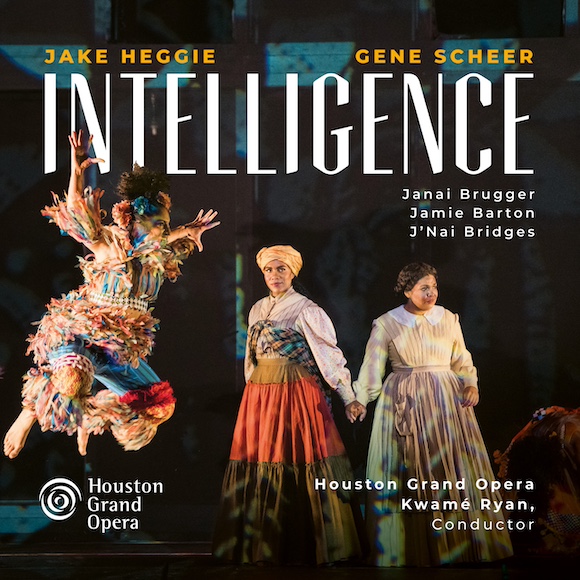 Intelligence; music by Jake Heggie, libretto by Gene Scheer, is, on the face of it, a spy thriller. We are in Richmond in 1865 and Union forces are closing in on the Southern capital. Elizabeth Van Lew is a wealthy spinster who is spying for the North. She infiltrates her enslaved woman Mary Jane Bowser into the Jefferson Davis household but Mary Jane is not what she appears. She is highly intelligent, literate and has a photographic memory. No-one will think to hide sensitive information from a, presumed illiterate, slave. The relationship between the two women is complex. Mary Jane was born in Elizabeth’s father’s home but was baptised in the white church and educated in the north. She has been told that her mother died in childbirth. But all is not as it seems.
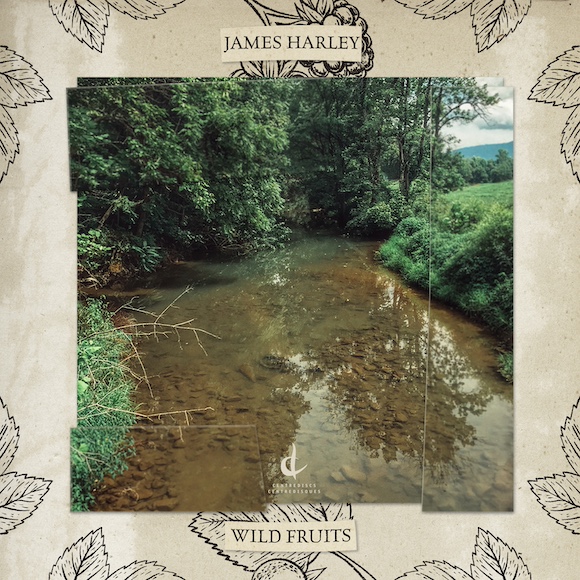 James Harley’s Wild Fruits was inspired by two texts; Pilgrim at Tinker Creek by Annie Dillard and Wild Fruits by Henry David Thoreau. The five movements all involve combining extracts from the texts read by Jim Bartruff, Theresa Carson and Anne-Marie Donovan with sounds recorded in nature and, in some cases, worked over in the studio. It was originally conceived as an eight channel surround sound experience but the commercial release has been remixed for stereo and Dolby ATMOS. Obviously some of the spatialization is lost and I’d be curious to hear the ATMOS mix. As it is I’m going to write about the 48kHz/24bit stereo version which I listened to on headphones because I find that’s closer to the immersive experience than speakers.
 There are three late works by Kaija Saariaho on the disk. Indeed I think the orchestration of the Saarikoski Songs is pretty much the last music she wrote. Those songs are settings of rather depressing texts about environmental destruction by Finnish poet Pentti Saarikoski and were written originally for voice and piano between 2013 and 2020; an orchestral version being created in 2020/1. There are five songs. “LLuonnon kasvot” (The Face of Nature) is the story of the destruction of ancient forests told by the voices of extinct birds. There’s a lot of high vocalise; almost screaming with quite dramatic orchestration. “Jokaisella on tämänsä” (Everyone will have their own this) depicts a society where everyone holds to their own truth. It’s dramatic, high and, again, almost screaming against shimmering orchestration. “Kaikki tämä” (All of this) – is a brooding and much more lyrical piece offering some hope amid environmental destruction. “Lintu ja käärme” (Snake and bird) is pretty weird with declamatory vocals over an orchestra hammering on A. “Sumun läpi” (Through the Mist) has interstitial time petrifying into mountains of mist. There’s a long brooding orchestral introduction prefacing a lyrical vocal line. The last two songs were composed during COVID and seem to reflect the spirit of the times. The performance is by Anu Komsi (soprano) with the BBC Symphony Orchestra conducted by Sakari Aramo and it’s a live recording.
 Being distinctly impressed by
  Lysistrata or, The Nude Goddess; music and libretto by Mark Adamo, is very loosely based on the play by Aristophanes. It’s not a simple farce or anti-war propaganda piece. Rather it’s a complex interrogation of various dualities; male/female, peace/war, eros/thanatos, lust/love and, perhaps above all, everything that’s implied by the duo Ares/Aphrodite. So, although we are still in Athens during the Peloponnesian war and there’s still a sex strike it’s not Aristophanes. If there’s an overarching idea it’s that we all want love and we all want peace but on what/whose terms?
