Frustrating Gambler in Salzburg

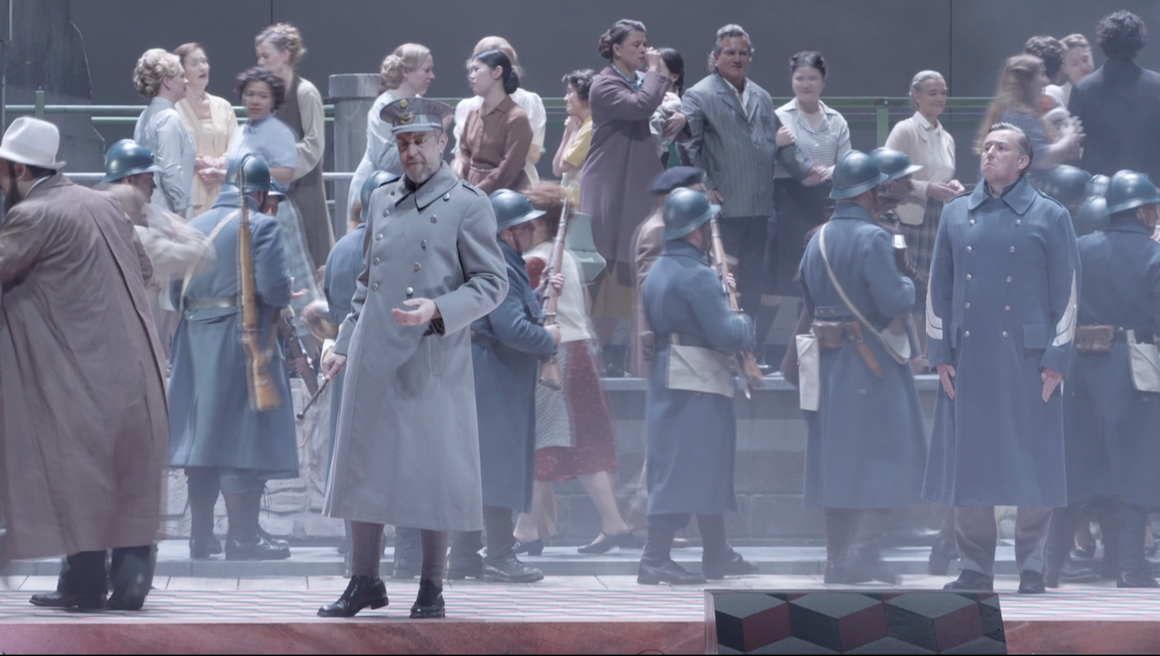
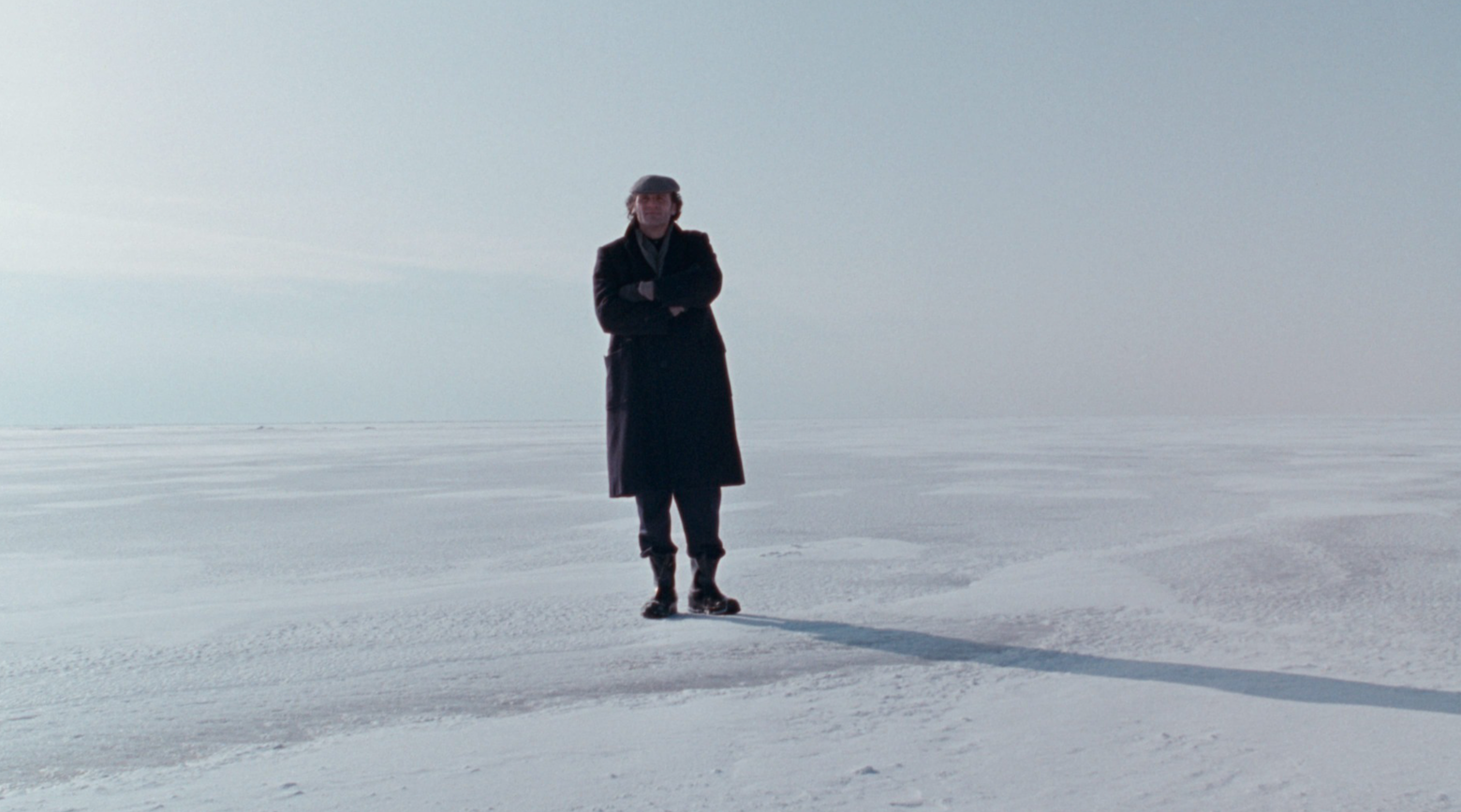
I don’t think I’ve been as frustrated by a video recording of an opera since I watched the 2007 recording of Unsuk Chin’s Alice in Wonderland.  This time the culprit is a recording of the 2024 production of Prokofiev’s The Gambler at the Salzburg Festival.  It’s a Peter Sellars production set in the Felsenreitschule and it’s fascinating on many levels.  The problem is that, as is wont, Sellars directs the video too and he seems to think people watch opera videos on their phones.  There’s been a welcome trend since the advent of HD cameras to, generally, show as much of the stage action as possible and ration extreme close ups.  Sellars takes the opposite approach and it drives me nuts.  Not only do I feel that I’m missing a lot; especially in the cavernous Felsenreitschule, but I just don’t need to know how fast Asmik Gregorian is moving her tongue when she’s going for fast vibrato.

Continue reading

Salzburg’s Hoffmann is hard to decode

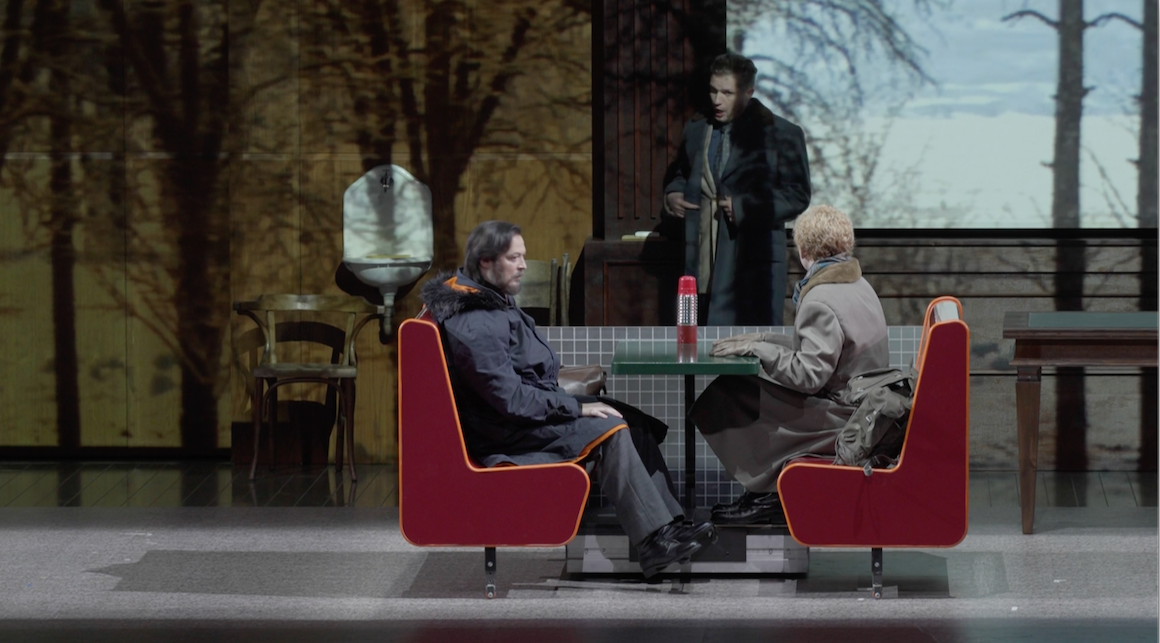
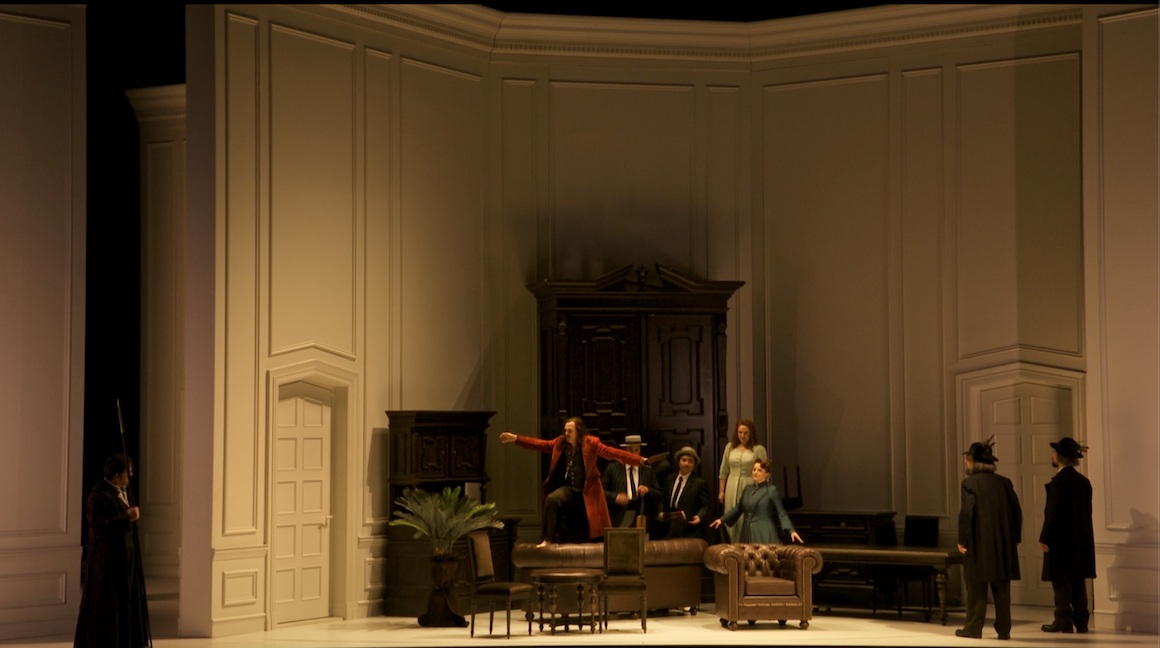
Mariane Clément’s production of Offenbach’s Les contes d’Hoffmann recorded at the 2024 Salzburg Festival is not the sort of production that one dismisses as pointless and/or ill conceived but it is complex and difficult to read; at least on first viewing.  That said,  being on video rather than live probably doesn’t help.

Continue reading

Lively Don Pasquale

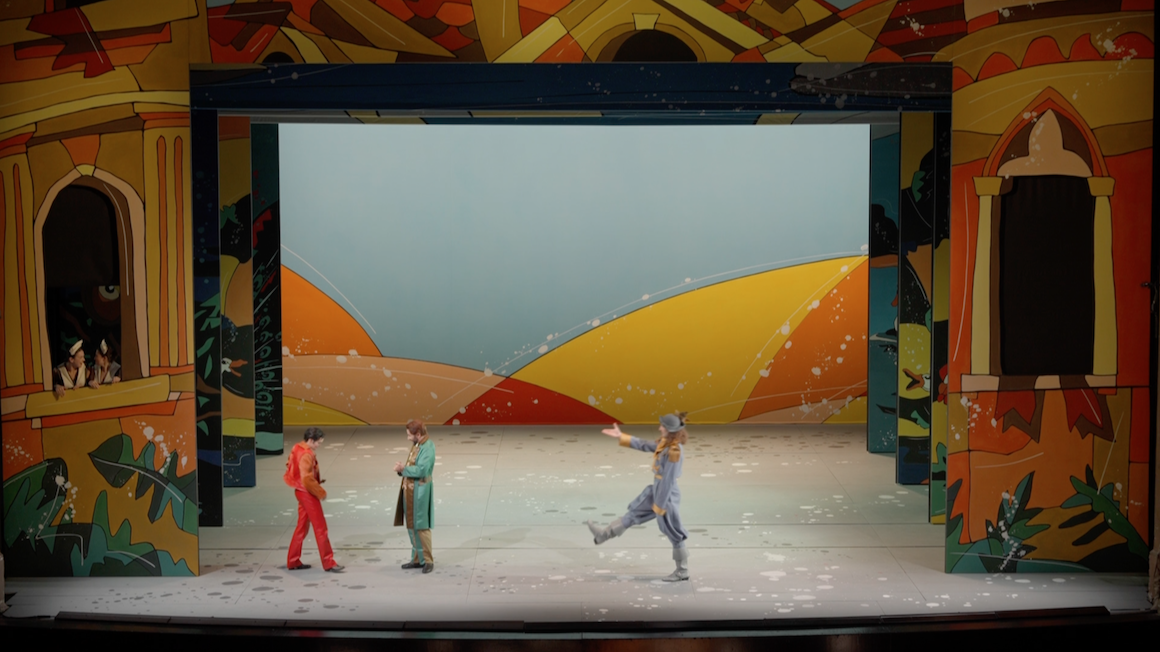
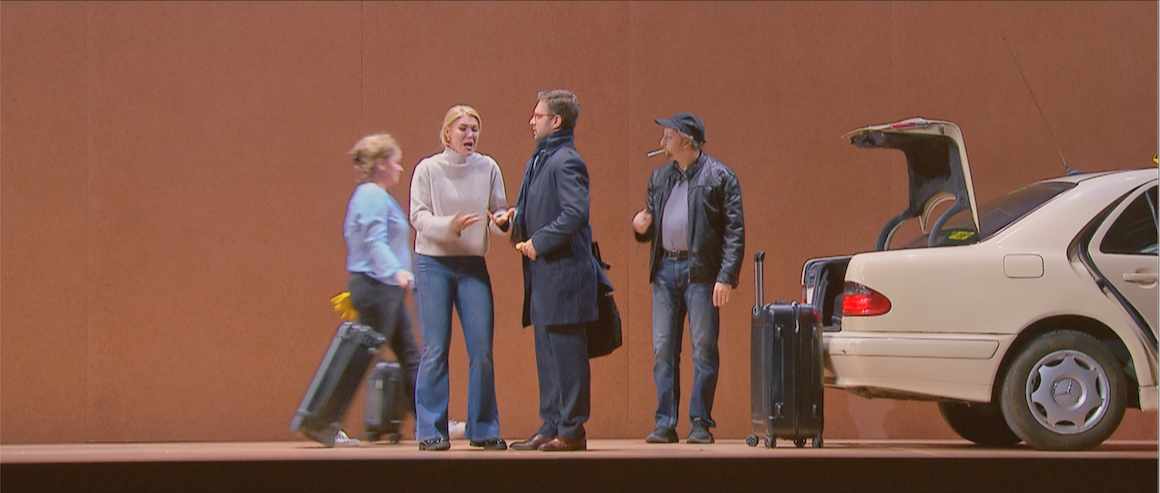
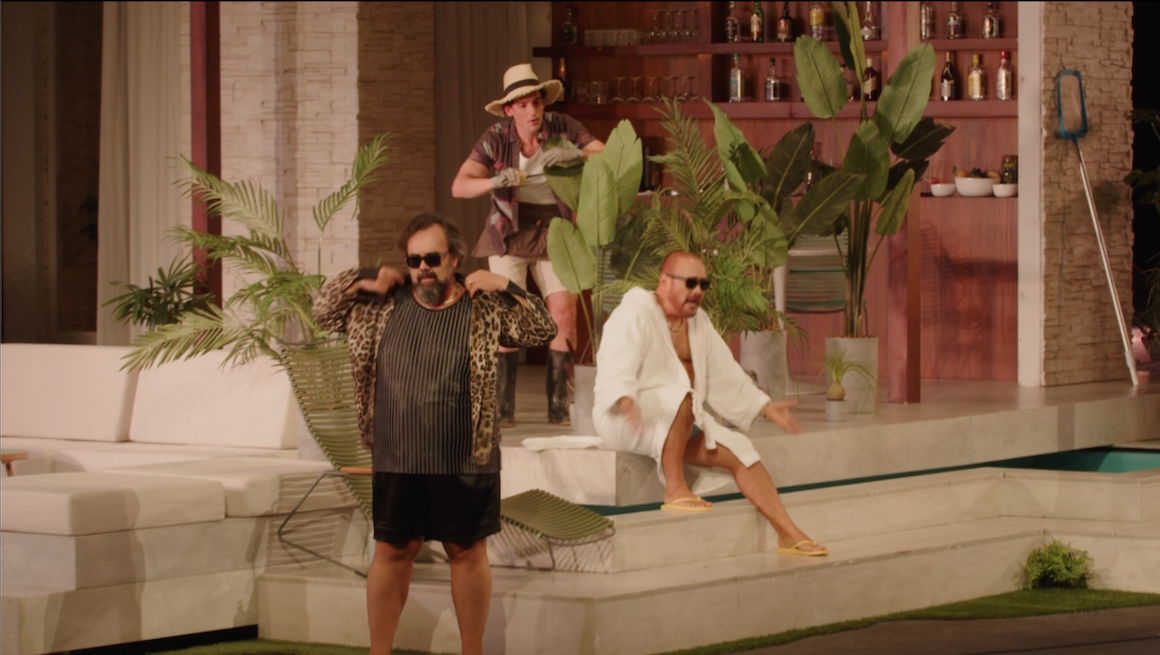
The production of Donizetti’s Don Pasquale recorded at the 2024 Donizetti Festival in Bergamo is lively colourful and, generally, well done.  Amélie Niermayer’s production is essentially contemporary with a heavy emphasis on class difference between the relatively upscale Pasquale clan and the Malatestas who are shown as some sort of Italian equivalent of “Essex man”.  Doctor Malatesta has tattoos and wears a heavy gold chain and when we first see Norina she’s in braids, a T shirt, fishnets and also sports tattoos.  Her taste doesn’t improve much after the “wedding”.  In contrast, Ernesto is more stylish and less of a dweeb than in other productions I’ve seen.

Continue reading

Final thoughts on the Zürich Ring

Overall I rate this cycle very highly.  Andreas Homoki’s production is unusual in that it’s really not conceptual and is often very literal.  That’s rare in Wagner productions in major European houses.  But it’s also not cluttered up with superfluous 19th century “stuff”.  When a thing is essential, it’s there as described.  If it’s not essential more often than not it’s omitted.

Continue reading

Zürich Ring – Götterdämmerung

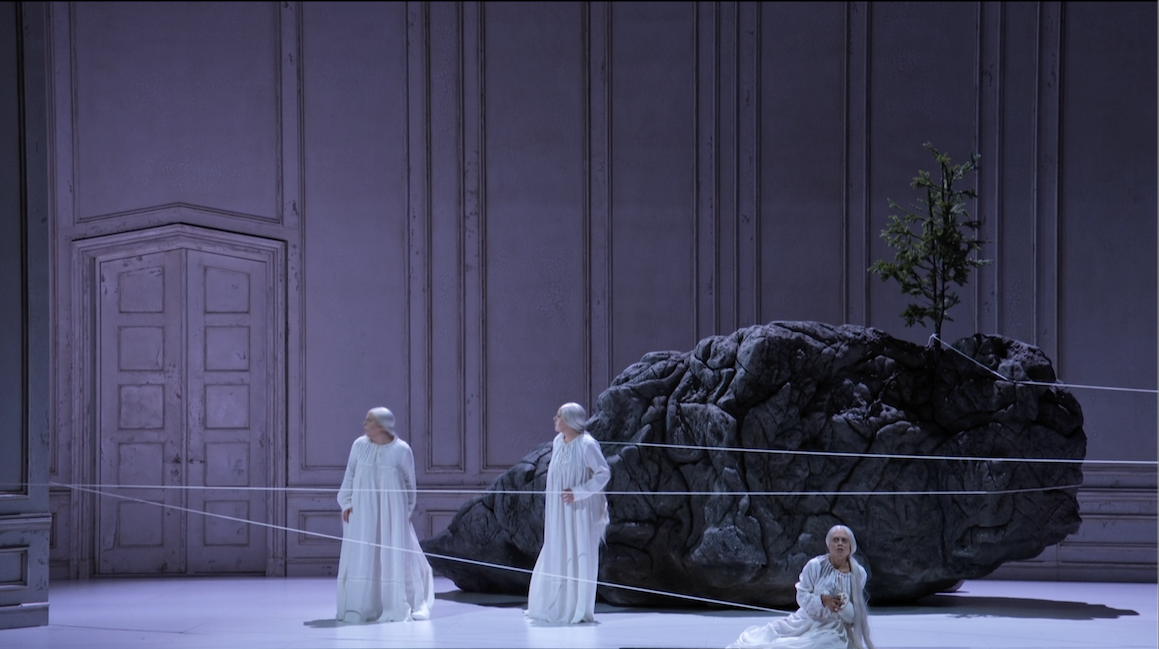
And so to the final instalment… We open with the Rock but now the background room; while still the same 18th/19th century mansion, looks a bit the worse for wear with peeling and cracked paint. The Norns, predictably, are all in white.  It’s all pretty conventional but done well.

Continue reading

Zürich Ring – Siegfried

Siegfried has been described as the scherzo of the Ring cycle and Andreas Homoki seems to have at least partly run with that.  There are quite a few places, including some less obvious ones, where he seems to be going for laughs.  The obvious ones are obvious enough.  You can’t really have a bear in the first scene without it being comic but there were also times when Wanderer was camping it up a bit.  We’ll come back to that.

Continue reading

Zürich Ring – Die Walküre

Continuing on from Das Rheingold we come to Die Walküre.  There’s a lot of continuity with the earlier work.  It’s basically the same rotating set though in some scenes one of the “rooms” becomes a forest.  Another thing we see is characters who aren’t canonically “there” appearing in scenes.  So right at the beginning, when Siegmund and Sieglinde meet, Wotan is lurking and doing things like handing drinks to Sieglinde.  We’ll see more of this with Hunding’s henchmen appearing in various places, Wotan and the henchmen appearing when Sieglinde is describing her wedding and the Valkyries showing up at the start of Act 2.

Continue reading

A new Ring from Zürich – Das Rheingold

A new production of Wagner’s Der Ring des Nibelungen is always a bit of an event and all the more so when it’s in the city where the work was composed.  Andreas Homoki’s production premiered and was recorded for video at Opernhaus Zürich in 2024.  I’ll be working my way through the whole cycle but here are my initial thoughts based on Das Rheingold.

Continue reading

Dancing with Death

Stephen Langridge’s production of Donizetti’s Roberto Devereux recorded at the Donizetti Festival in Bergamo in 2024 is heavy on death symbolism.  The general look of the sets is fairly abstract with a sort of light box with a gallery and a few bright red elements; the throne, the Nottinghams’ bed and so on, but there are skulls and other memento mori everywhere.  Costuming is sort of operatic Tudor but Elisabetta’s dress is a print that includes skulls and she’s doubled by a human size, identically dressed, Death puppet.  As seems to be the fashion, much of the time only the front of the stage is lit leaving characters lurking in the gloom upstage.

Continue reading