
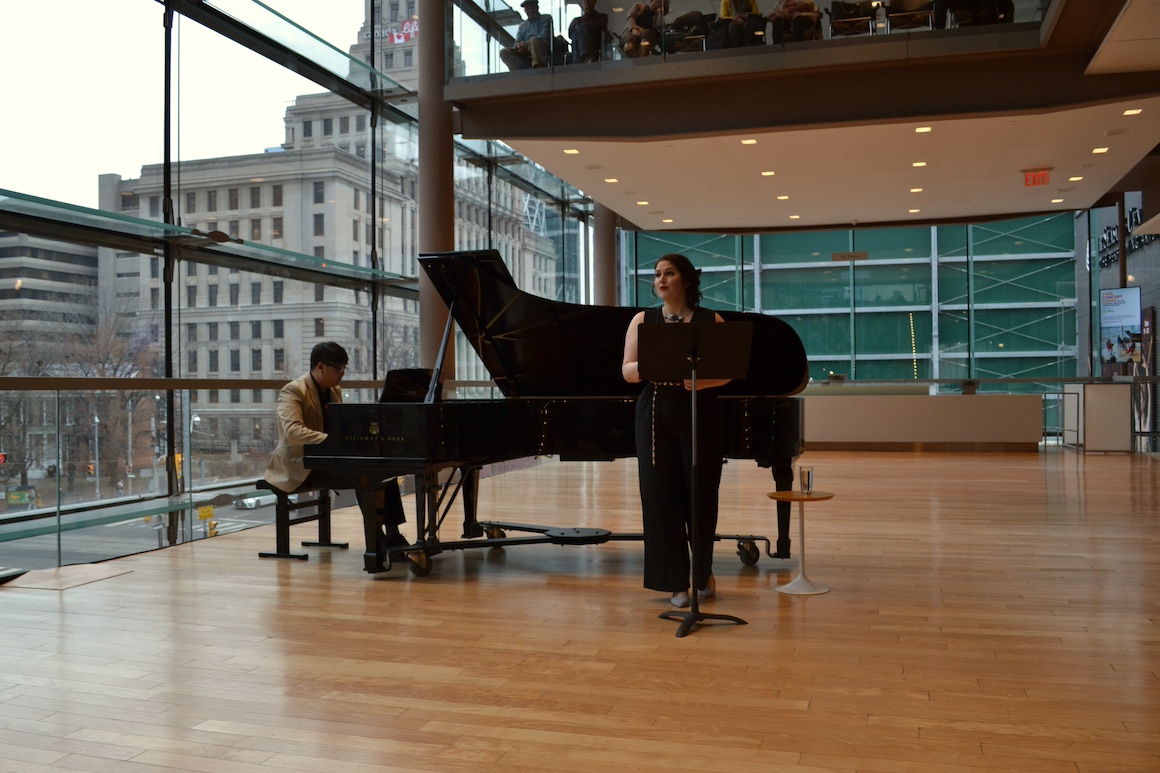
 Winners of the Eckhardt Grammatée competition, soprano Aemilia Moser and pianist Sabina Rzazade, gave a recital in Walter Hall on Tuesday at lunchtime. It was unusual! The material was all contemporary, much of it Canadian, and almost all of great difficulty. It was also divided into sets with the components of each set run without a break. Fortunately Aemilia’s program notes were excellent!
The first set started with Harry Somers’ Loon Cry, Night Call which evokes loon calling across a lake and was followed by Kaija Saariaho’s difficult and dramatic setting of one of Ariel’s speeches from The Tempest. Cecilia Livingston’s setting of Whitman’s The Dismantled Ship completed the watery theme with a piece that combined a sustained vocal line with some very sparse but intricate piano. What was obvious by the end of the first set was that this was going to be as much a dramatic performance as an art song recital.
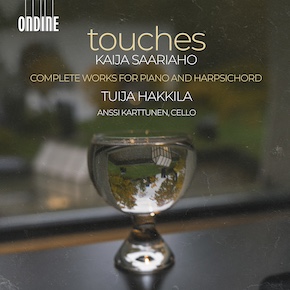
Continue reading There are three late works by Kaija Saariaho on the disk. Indeed I think the orchestration of the Saarikoski Songs is pretty much the last music she wrote. Those songs are settings of rather depressing texts about environmental destruction by Finnish poet Pentti Saarikoski and were written originally for voice and piano between 2013 and 2020; an orchestral version being created in 2020/1. There are five songs. “LLuonnon kasvot” (The Face of Nature) is the story of the destruction of ancient forests told by the voices of extinct birds. There’s a lot of high vocalise; almost screaming with quite dramatic orchestration. “Jokaisella on tämänsä” (Everyone will have their own this) depicts a society where everyone holds to their own truth. It’s dramatic, high and, again, almost screaming against shimmering orchestration. “Kaikki tämä” (All of this) – is a brooding and much more lyrical piece offering some hope amid environmental destruction. “Lintu ja käärme” (Snake and bird) is pretty weird with declamatory vocals over an orchestra hammering on A. “Sumun läpi” (Through the Mist) has interstitial time petrifying into mountains of mist. There’s a long brooding orchestral introduction prefacing a lyrical vocal line. The last two songs were composed during COVID and seem to reflect the spirit of the times. The performance is by Anu Komsi (soprano) with the BBC Symphony Orchestra conducted by Sakari Aramo and it’s a live recording.



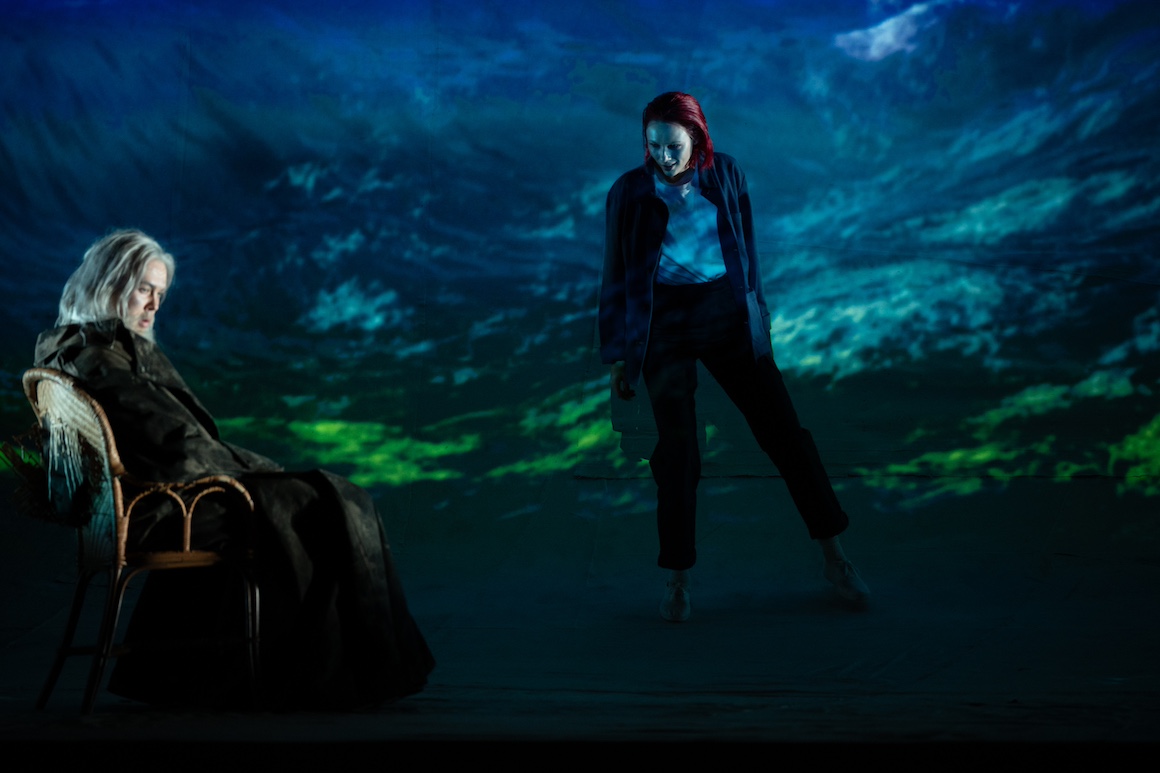
 Saturday evening, at Redeemer Lutheran, the Happenstancers offered up a palindromic tribute to Pascal Dusapin. As it was a palindrome I shall review it from the middle outwards. Let us take the interval as t=0. Then at t=+/-1 we heard Two Walkings from singers Danika Lorèn and Hilary Jean Young. Two songs; “How Many Little Wings” and “Kiss My Lips She Did” came before the break and the rest; “May June”, “A Scene in Singing” and “It Seems To Be Turning Music” after. And, of course the singers swapped positions at the break! This is extremely interesting but fiendishly difficult music with the unaccompanied singers trading snatches of phrases and half thoughts in a complex atonal musical language. I’m actually in awe that anybody can actually perform a work like this but they did, and very well.

