
How many Indigenous artists does it take to make an Opera Indigenous? That was one of many questions up for discussion at Stories Don’t Die presented by the Artists of Indians on Vacation at the Terminal Theatre on Saturday afternoon. The backdrop to all this of course is the withdrawal of Edmonton Opera from their role in the creation and presentation of Ian Cusson and Royce Vavrek’s Indians on Vacation in February following the not entirely unexpected “revelation” that Thomas King; author of the novel on which the opera is based, is not Indigenous as he had long claimed. Edmonton Opera chose, unilaterally, to pull out after a protest by a small group of Indigenous activists in Edmonton. To the protesters, the false claim by Thomas King was reason enough to cancel an opera they hadn’t seen but is it? The Artists of Indians on Vacation clearly believe otherwise and Stories Don’t Die makes a strong case for its survival and further development.
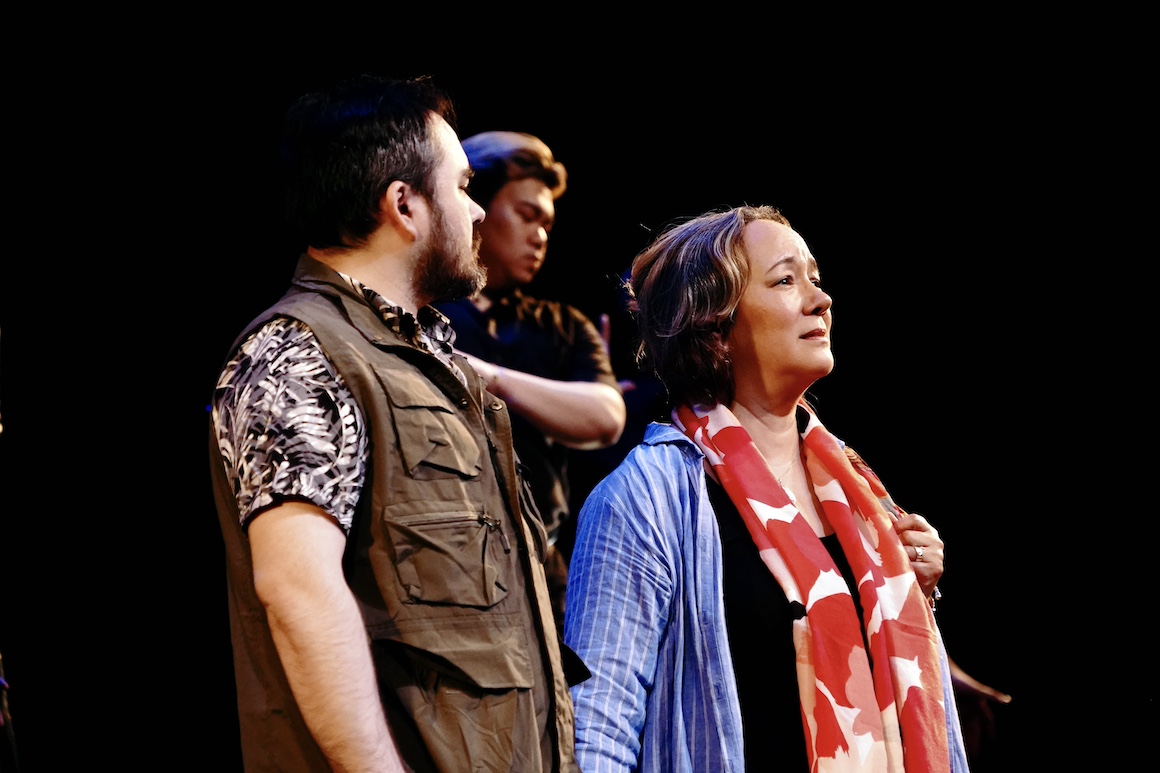
So how did Stories Don’t Die work? It was a presentation of extracts from the opera interspersed with personal statements from some of the artists about their views on the cancellation and the impact it had had on them, followed by a Q&A. In my mind a strong case for the opera was made. Why do I say that?
- On the evidence of what we saw on Saturday it’s a worthwhile opera dramatically and musically
- If it matters, and I’m not sure it does, it’s essentially an Indigenous opera
- It matters to the people who created it. It tells a kind of Indigenous story that’s not told nearly enough and the hard, creative work of many people; Indigenous and settler, is embodied in the project.
It’s a good opera
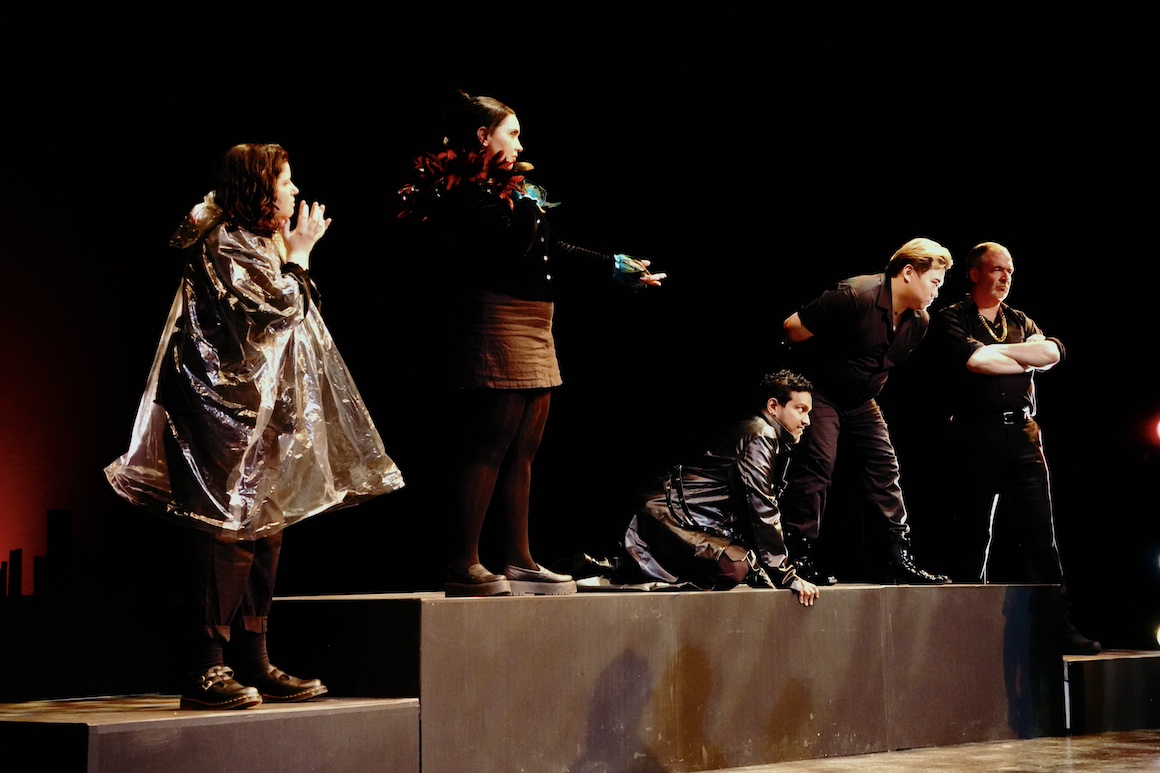
The opera is cleverly crafted in a series of scenes dealing with the visit of Mimi and Bird to Prague; it’s part vacation for two decidedly bougie “Indians” and part search for an ancestral medicine bundle. The optimistic Mimi (Marion Newman) is trying to have fun while her depressive husband Bird (Evan Korbut) is tormented by demons he can’t leave behind and dreams of dying in Prague. He’s also tormented by a weird game designer (Giles Tomkins) who explains (at length) his very peculiar latest video game. The demons (Julie Lumsden, Keely McPeek, Asitha Tennekoon, Danlie Rae Acebuque and Giles) are very funny and exactly the sort of thing that one deals with when depressed. Incidents from their vacation are interlaced with flashbacks to episodes in their lives.
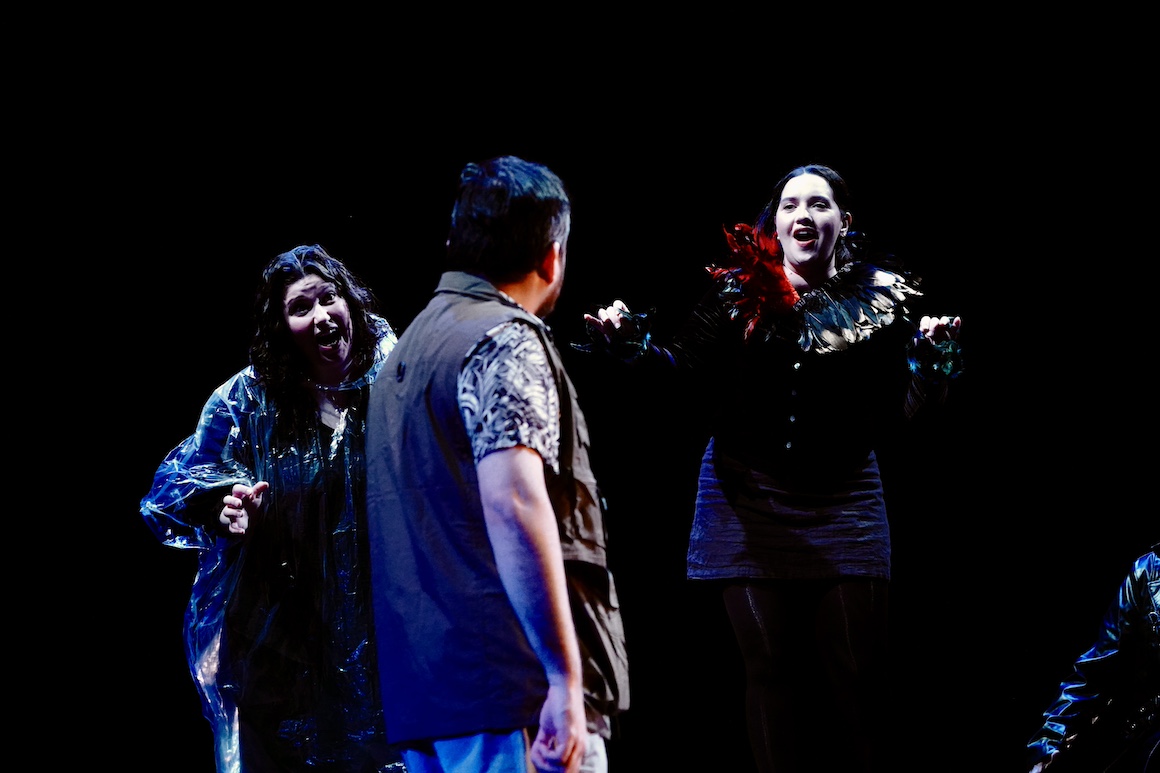
The scenes we see, presented here in a stripped down form directed by Yvette Nolan, deal with, among other things, Kafka, defenestration, angst about whether their work (photojournalist and painter) can change anything and there’s a hilarious scene of Mimi trying to seduce Bird while in the bath. The dialogue is crisp and the score is a typical, colourful, compolex, tonal Ian Cusson score. It’s sympathetic to the singers (everything clearly audible without surtitles) and the sort of music one wants to hear more than once to fully grasp it.
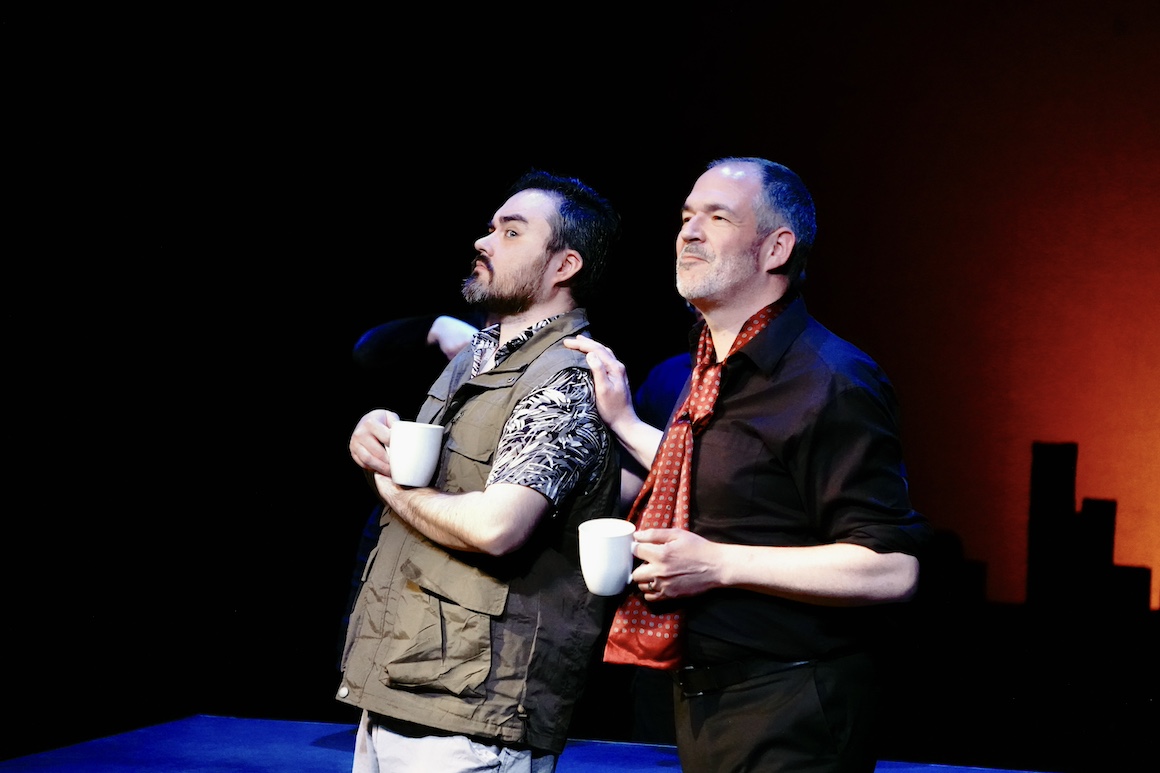
OK so it wasn’t the full opera and the instrumental music; played by a chamber ensemble conducted by Sandra Horst, was a reduction but there was more than enough on show for me to very much want to see the whole thing; fully staged and fully orchestrated.
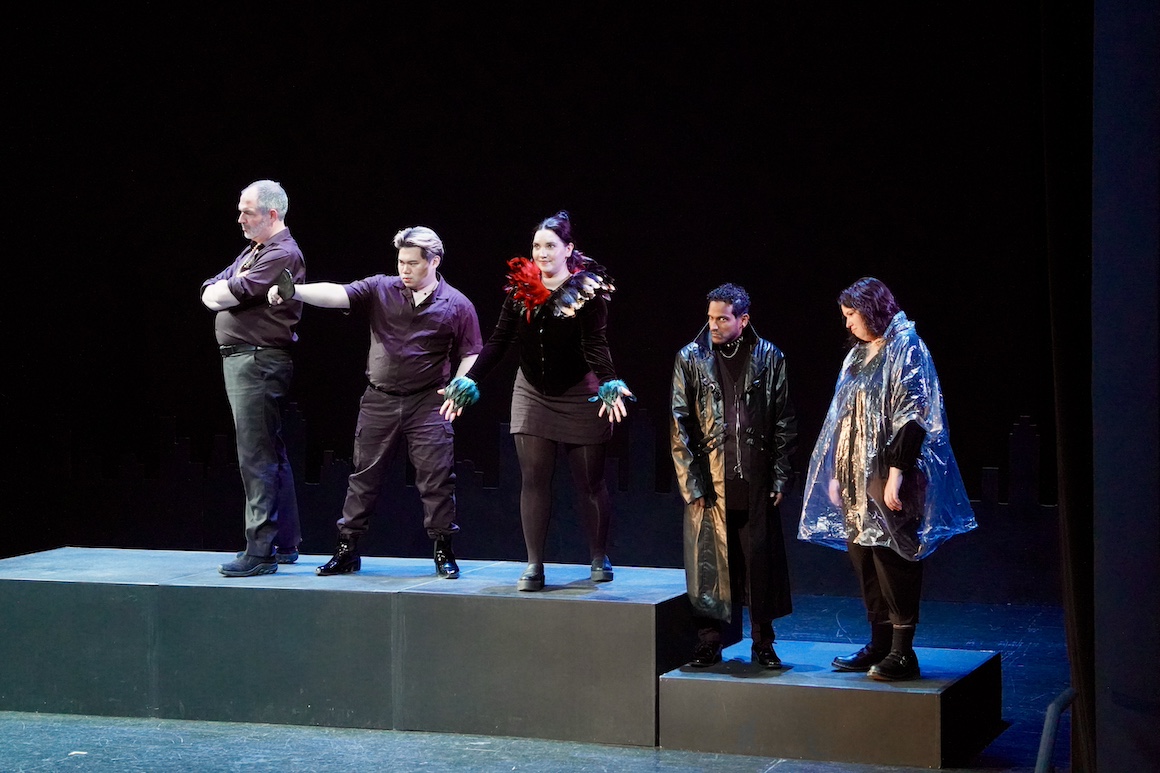
It’s Indigenous enough, if that matters to you
As both Royce and Ian were keen to point out, operas don’t emerge in pure, never to be tampered with form from the heroic imaginative brains of composer and librettist. There’s a whole lot of hard work by many people that goes into bringing a piece to the stage. It’s taken five years to get this far and many Indigenous people have been important players in that process. It’s not just Marion Newman (essential though she is to most such projects) or Yvette Nolan (unquestionably one of Canada’s leading playwrights and directors), there are others involved like Evan, Julie, Keely and more. For me, it’s an Indigenous opera if Indigenous artists played any significant role in its creation and that more than trumps the source material; however tainted. In any event, the Calls for Action from the Truth and Reconciliation Commission included a call for Indigenous and non-Indigenous artists to work together. As Marion pointed out in the Q&A, one can see this opera as a work of Reconciliation.
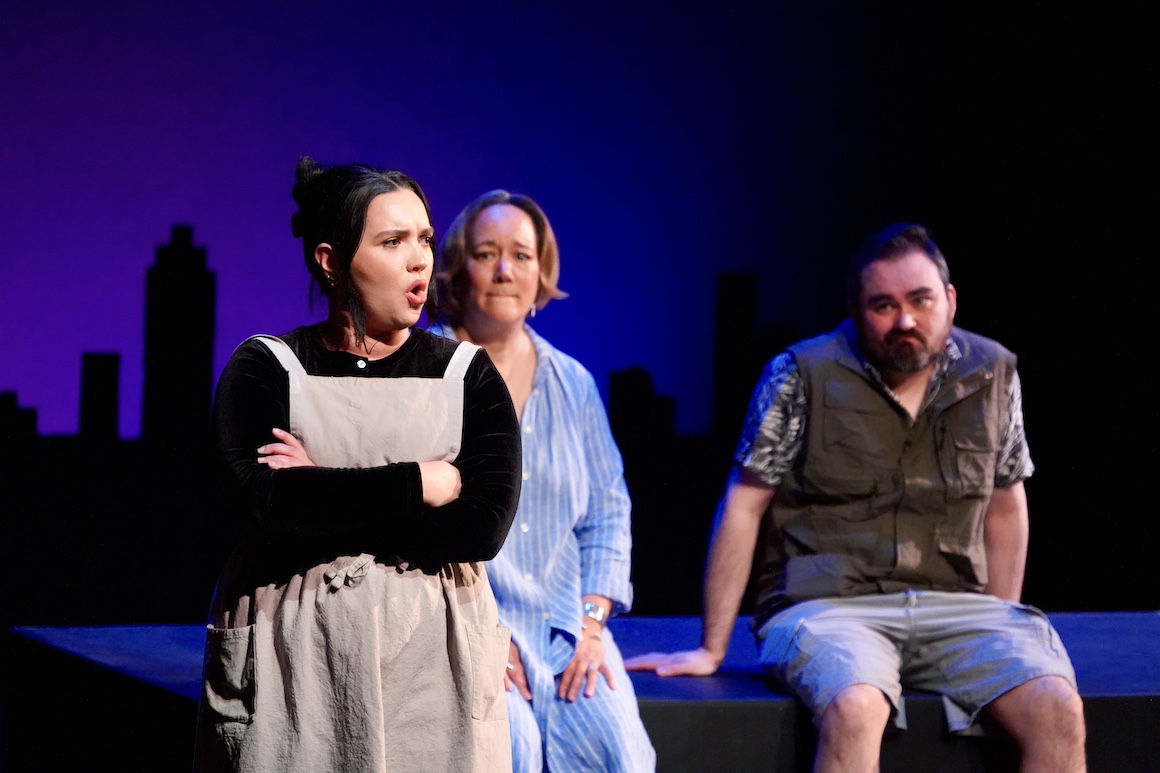
The Artists believe in it
There’s passion behind this project. It tells a story unlike most of the “Indigenous content” mainstream media and presenters look for. It’s not about residential schools. It’s not about fear and oppression. It’s not even about acts of resistance to settler colonialism. It’s a joyful (and very funny) story about two bougie “Indians” doing ordinary people stuff with an Indigenous twist. It also deals with issues of mental health in a humane and sympathetic and unsensational way.
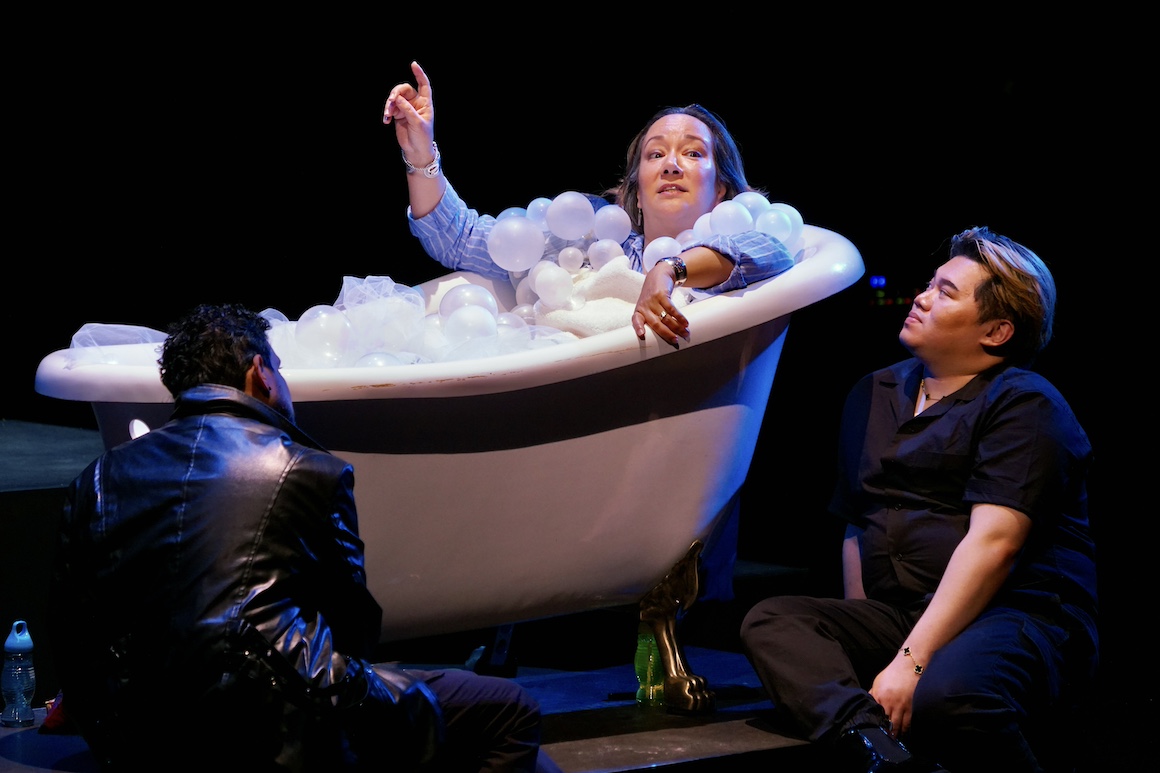
It was also, and hopefully may be again, an opportunity for Indigenous singers to do what they have trained for; sing opera with an orchestra on a big stage without being typecast. If nothing else the cancellation derived several early career singers of that precious opportunity. (In fairness I should point out that Edmonton Opera did pay out there contracts but that’s not the same as the opportunity to strut one’s stuff).
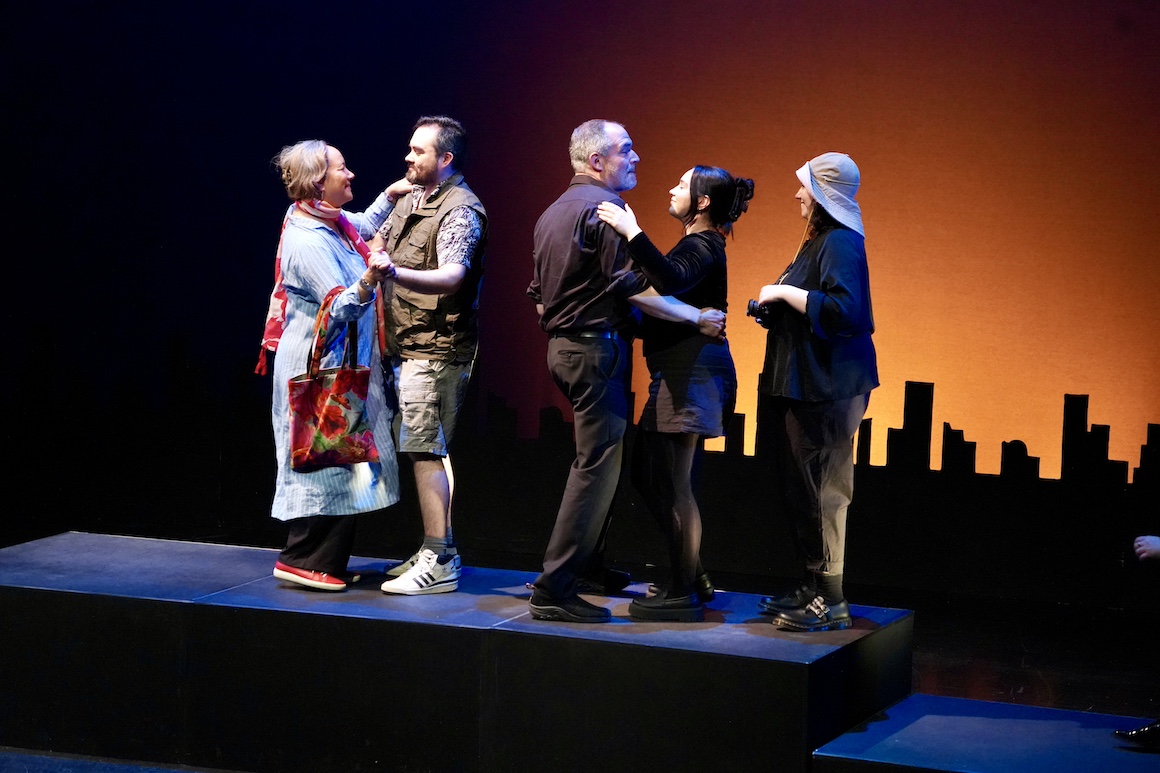
I believe Stories Don’t Die made a compelling case for Indians on Vacation. Sadly, as of now, there are no plans for a production anywhere. Let’s hope that changes.
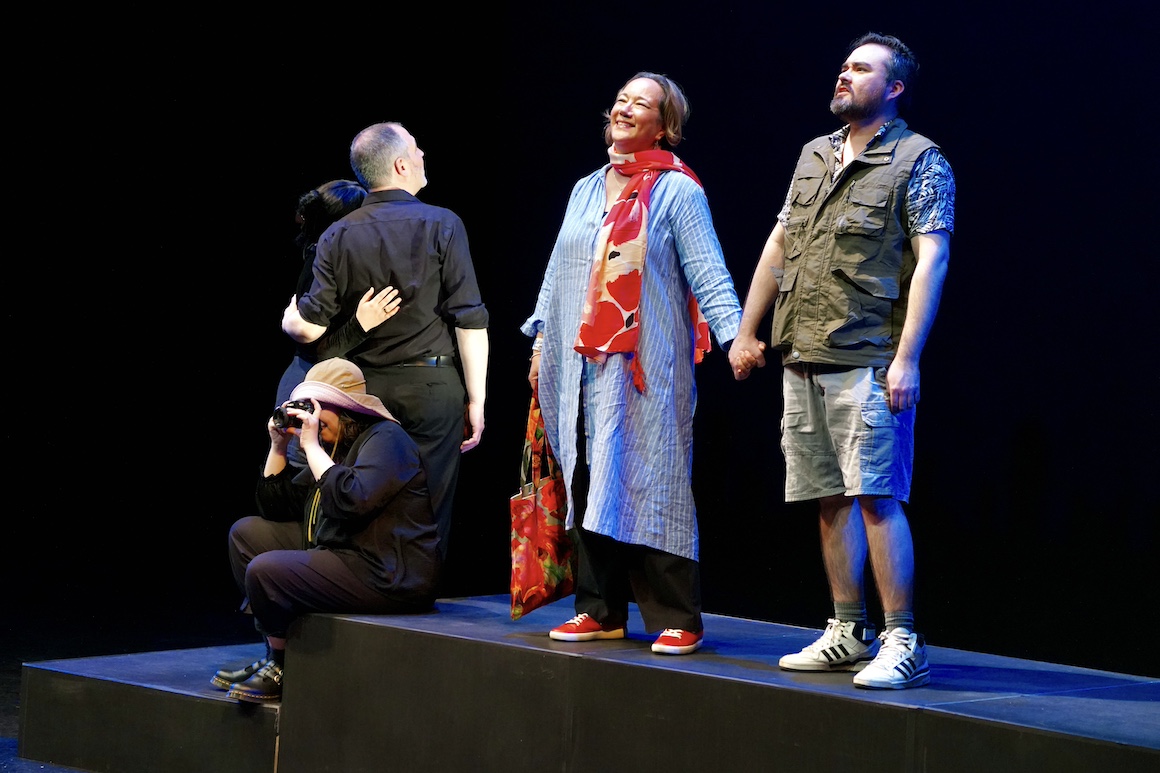
Photo credit: Lauren Halasz

