

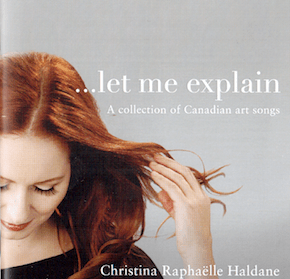
 …let me explain is a new CD of Canadian art song (mostly) from soprano Christina Raphaëlle Haldane. The first set consists of three arrangements of Acadian folk songs by by Carl Philippe Gionet. The three are quite different. L’Escaouette is fast, high, rhythmic and very high energy. Tout Passe is much more elegiacal while Wing Tra La is very playful. They are sung quite beautifully with piano accompaniment from the arranger. Ahania’s Lament is a longish piece in which Blake’s text is set by Samy Mousa. It’s a tough sing with a lot of high exposed passages against a minimal accompaniment. It’s a piece that it’s easy to get drawn into. It’s a good vehicle for Haldane’s crystalline upper register. Piano accompaniment by M.Gionet again.
…let me explain
1
 The latest concert in the Confluence series featured Marion Newman and friends addressing the question “What is Indigenous classical music?” through a carefully curated programme of works; all of which featured words by Indigenous women. We began with Marion singing Barbara Kroall’s Zasakwaa (There is a Heavy Frost) with words in Odawa describing the earth going to sleep for the winter with flute accompaniment by Stephen Tam. It was followed by Rebecca Cuddy singing three of the Five Songs on Poems by Marilyn Dumont by Ian Cusson. These are really fine settings of interesting, pithy, angry texts that have a wicked humour to them. I particularly like Letter to Sir John A. Macdonald which I’ve written about before.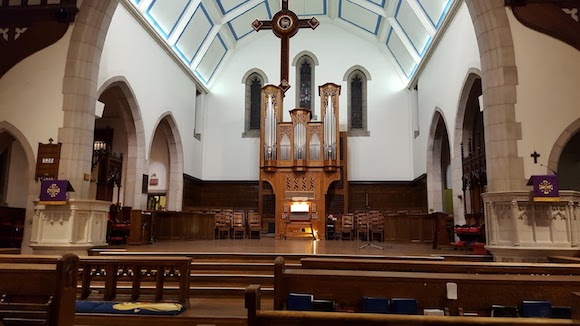
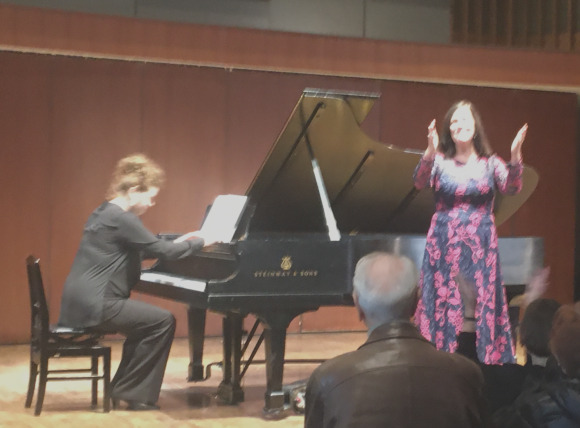

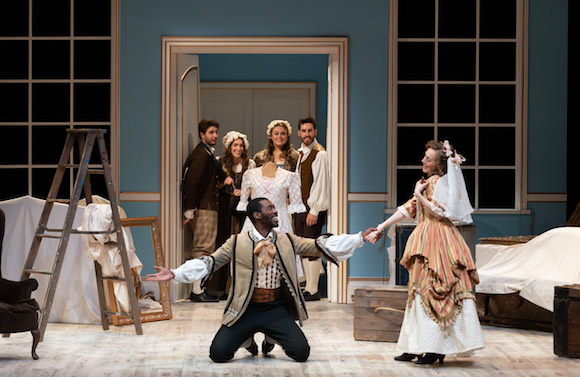
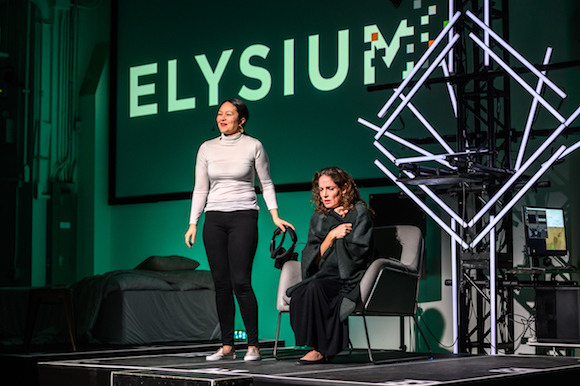
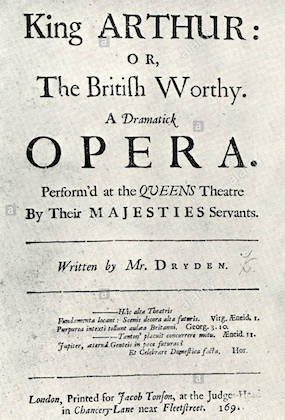 Last night various bits of the early music side of the UoT Faculty of Music, plus guests, put on a performance of Purcell’s King Arthur at Trinity St. Paul’s. I’m pretty familiar with the piece from both audio and video recordings (though this was my first time live) but it was clear last night that most people really don’t know the work and I suspect that the way the work was presented was not especially helpful for them.
 The latest release on the Chandos label from Sir Andrew Davis consists of three works by Sir Arthur Bliss; The Enchantress, Meditations on a Theme by John Blow and Mary of Magdala.
 I’ve been having some discussions about whether the word “song” is changing meaning at least in some contexts. To me it’s a short piece of music with lyrics but others seem to think it now means, essentially, any piece of music. So I’ve decided to tap the hivemind and created a short survey.
 operaramblings