

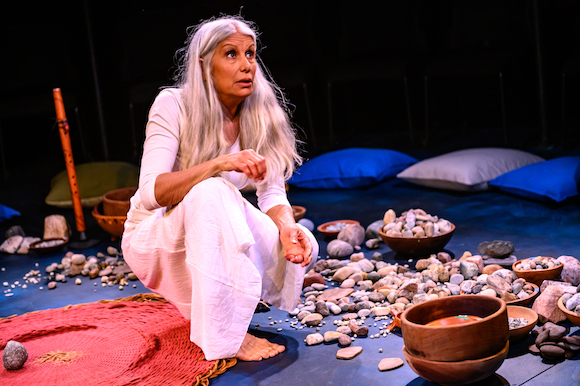
Jani Lauzon’s new piece Prophecy Fog at the Theatre Centre is a fascinating and very personal piece. I write “very personal” because it’s obviously very personal to her but also because I experienced it in a way that I’m sure was not the same as any one else in the room and I suspect that will be true for many people, perhaps most, perhaps all.
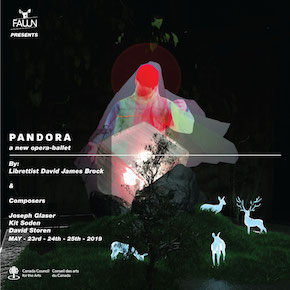 FAWN Chamber Creative and its artistic director Amanda Smith see themselves as pioneers. They champion inter-disciplinary works that don’t fit easily into any taxonomy of music, theatre or dance styles. Their latest venture; Pandora, an “opera/ballet” on a classical theme, might seem straight from the court of Louis XIV but Lully likely wouldn’t have scored it for drums, a piano, an electric guitar, a cello, a bassoon and electronics. The Sun King would likely also be somewhat taken aback by Jenn Nichol’s choreography; her long association with Opera Atelier notwithstanding.
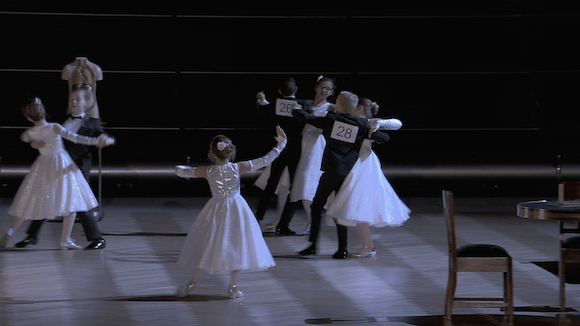
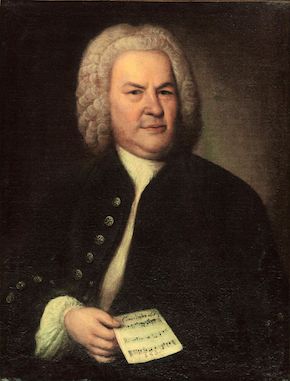 The fourth annual Toronto Bach Festival runs May 24th to 26th. There are four concerts and a lecture. Here’s the line up: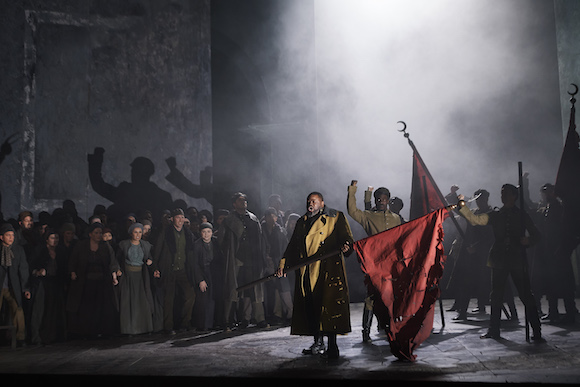
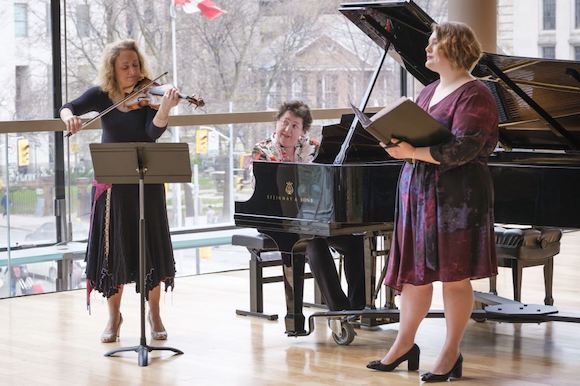

 Suzanne Farrin’s Dolce la morte sets poems by Michelangelo inspired by his relationship with Tommaso de’ Cavalieri dealing with the joy and complexity of desire and spiritual fulfillment. They are really intense poems and Farrin has scored them for counter tenor and seven piece chamber ensemble. The music is complex and intriguing. The vocal line consists mainly of long, high legato lines that play around with pitch in a variety of ways. The instrumental accompaniment is often also quite high and somewhat drone like with percussive insertions and places where the strings sound uncannily like another voice. It’s haunting and quite disturbing and definitely the sort of music one doesn’t fully “get” on first hearing but which makes one want to come back to it.
 operaramblings