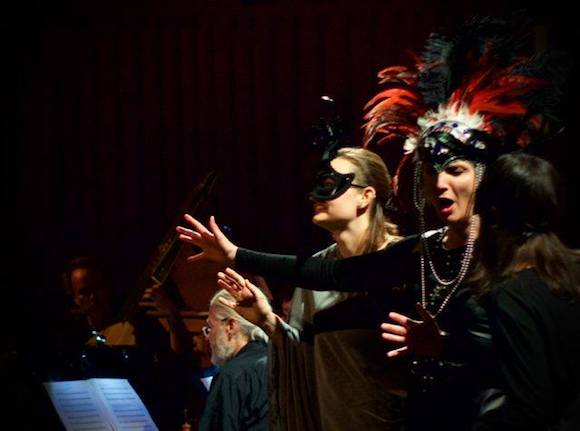
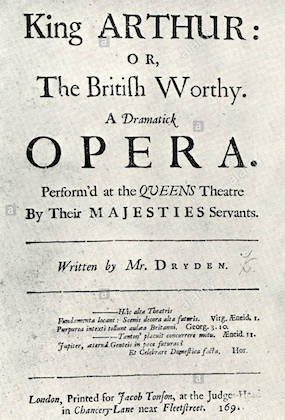
 Last night various bits of the early music side of the UoT Faculty of Music, plus guests, put on a performance of Purcell’s King Arthur at Trinity St. Paul’s. I’m pretty familiar with the piece from both audio and video recordings (though this was my first time live) but it was clear last night that most people really don’t know the work and I suspect that the way the work was presented was not especially helpful for them.
The program contains detailed notes by director Erik Thor about his thoughts on presenting a “problem piece” without really explaining why King Arthur is a problem or why he made the choices he made. We are told it’s about conquest and erasure but not how and why it differs from what most people seem to expect when they see the title King Arthur. In short, it’s a highly fictionalised version of the very old Welsh stories about the resistance of the (Christian) Britons to the (Pagan) Saxons. Forget Geoffrey of Monmouth, Tennyson, TE White and Monty Python. Oddly, Merlin, perhaps the one character anyone would recognise, is cut here. The work itself is also a bit incoherent largely because Dryden (the librettist) tried to recast what was originally a court spectacular to the glory of Charles II as something that would work in the theatre and pass the censorship under William and Mary!
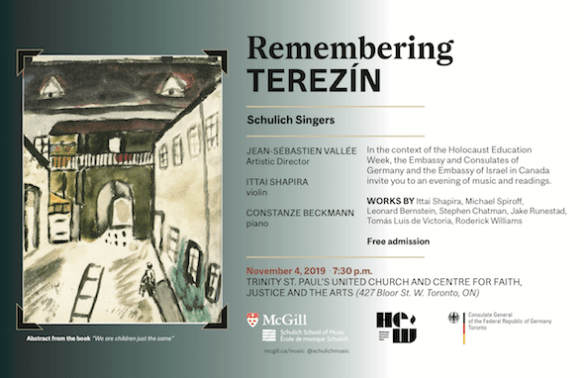
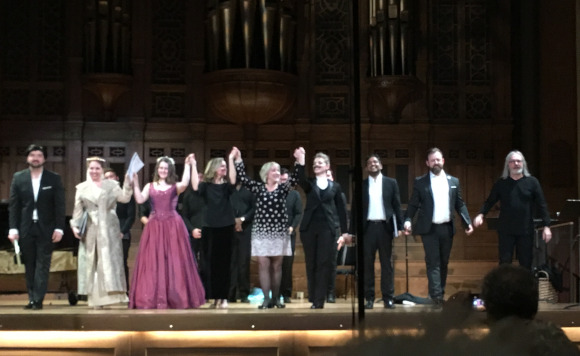
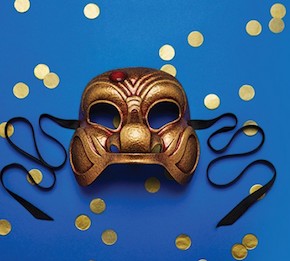 The idea of recreating an accademia musicale (private concert) at the home of Roman artist/patron Pier Leone Ghezzi in 1723 and putting on works that might have been played at such an event is an intriguing one. Add to that that we were promised caricatures; Ghezzi being a noted pioneer of the form. Marco Cera, who conceived the show, seemed to be onto a good thing.
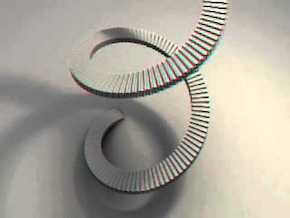 Last night’s Soundstreams concert at Trinity St. Paul’s riffed off the basic idea of Bach’s Musical Offering; getting musicians to create music on a theme with a high improvisory element. The line up was the Gryphon Trio (Roman Borys, cello; James Parker, piano; Annalee Patipatanakoon, violin), SlowPitchSound (aka Cheldon Paterson); turntables, Dafnis Prieto; drum kit, Scott Good; trombone, conductor and Roberto Occhipiniti; bass. Things started out with SlowPitchSound remixing prerecorded fragments of the Musical Offering with live interventions by the trio. It was interesting and fun though whether it revealed “secret messages” I really couldn’t tell. The turntables reappeared between items in the rest of the program in very short fragments that seemed too cursory to have much to say.
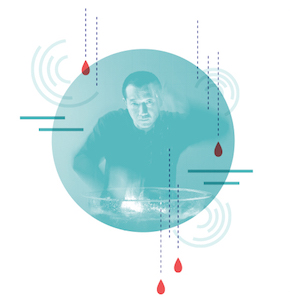 Tan Dun’s Water Passion After St. Matthew, given last night by Soundstreams at Trinity St. Paul’s is very Tan Dun. The work is in nine movements and scored for chorus, soprano and bass-baritone soloists, violin, cello, electronics and lots of percussion. And bowls of water and rocks. The texts broadly follow the Passion story finishing with a final Resurrection movement in which water is the symbol of rebirth, recycling and spiritual completeness. There are also ritual elements. Bowls of water laid out in a cruciform pattern are lit from beneath. The musicians change position and the players, especially the percussionists, perform hieratic gestures with the water bowls and their contents. It also involves a complex and dramatic lighting plot.