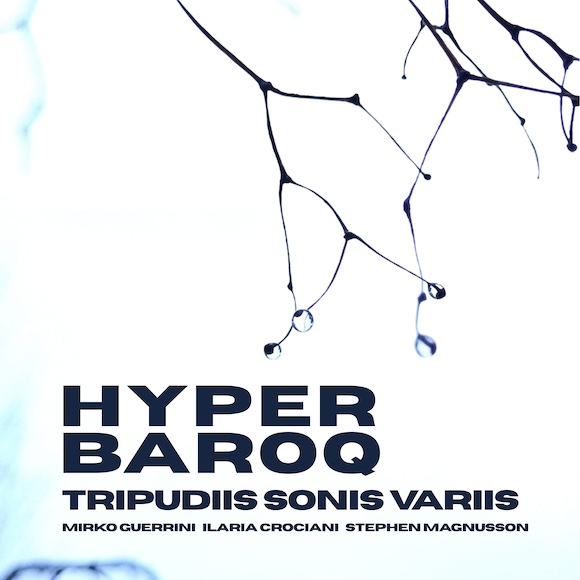
 I don’t often listen to CDs released on Australian jazz labels but I did come across tripudiis sonis variis from the Melbourne trio Hyperbaroq and was quite intrigued. It’s a set of performances of, mainly, Italian baroque music. Composers such as Monteverdi, Scarlatti and Strozzi feature but there are also a couple of earlier pieces in Latin and Galician and two English songs; one by Henry Purcell and a Robert Johnson setting of Ben Jonson.
This is not your typical HIP baroque performance. Hyperbaroq’s style is highly improvisatory and incorporates a lot of atypical instruments as well as pre-recorded electronics. The results are interesting but the dominant style seems to be a kind of cool jazz sound. This is very evident in their version of Scarlatti’s O Cessate Di Piagarmi; which features saxophone and electric guitar along with vocals. Some other tracks are rather different though. Monteverdi’s Lamento Della Ninfa gets a much more experimental feeling treatment with lots of electronics and the 13th century Galician Ay Ondas Que Eu Vim Veer makes interesting use of nature sounds and electronic effects. There’s also a weirdly boppy but rather enjoyable version of Purcell’s Music for a While. It’s pretty varied though I think I could have used more up tempo, high energy material as it mostly feels pretty relaxed.
Continue reading
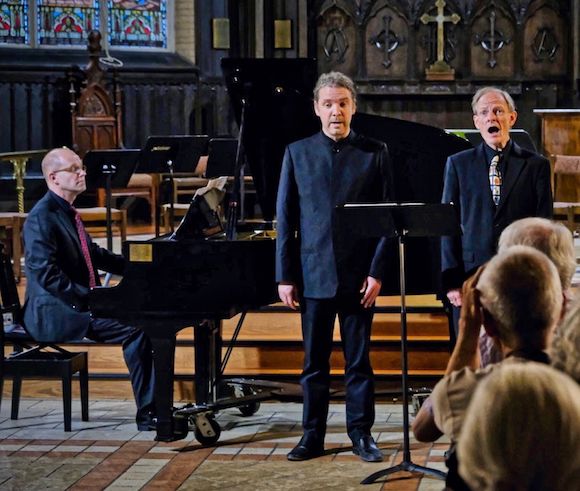
 The final programme of Confluence Concerts season took place at Heliconian Hall on Wednesday night. It was billed as The Confluence Songbook and, if there was a theme, it was about doing live versions of music that had been streamed during the Plague. But really by the time we saw it it had outgrown that. For, in addition to the full line up of Confluence artistic associates there was a raft of guests which resulted in a fairly lengthy and very eclectic programme.
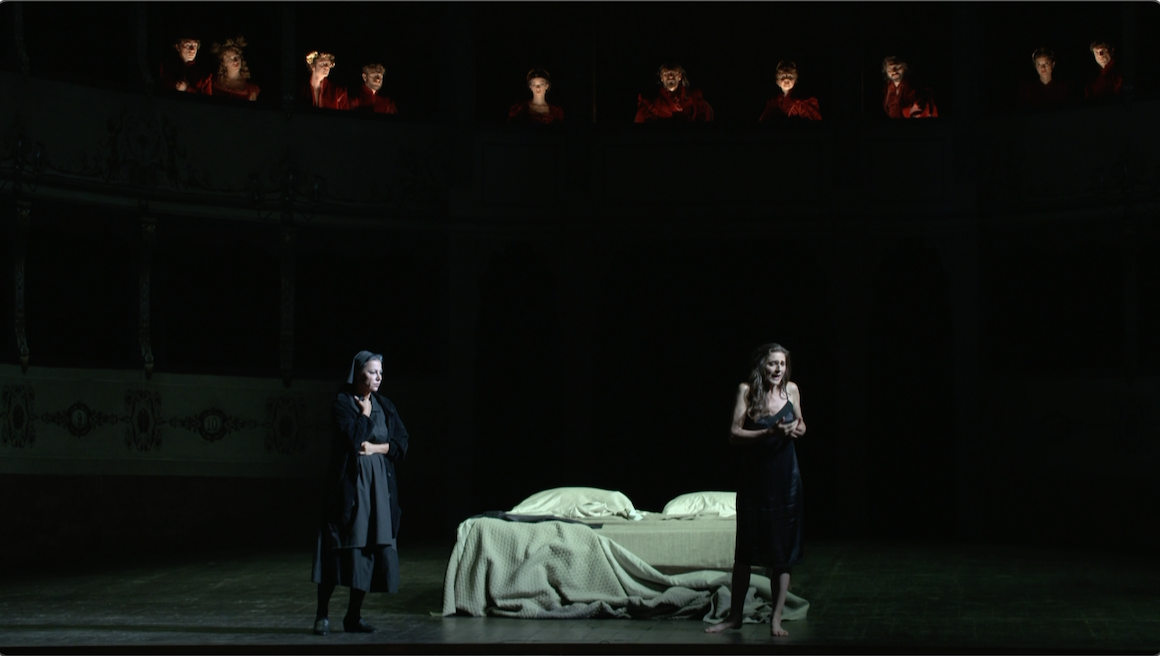
 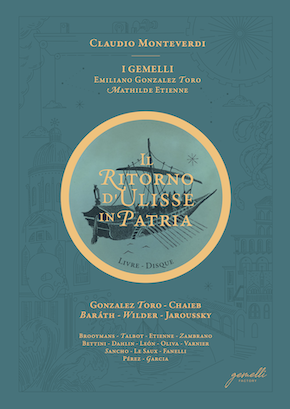 I use the word sumptuous in at least two senses. This is a really good recording with a fine period instrument ensemble and voices carefully matched to parts. It’s also very carefully researched in the quest to get as close as what Monteverdi’s audience heard as possible. It’s also sumptuous in presentation. It’s a beautiful hardback book with 3 CD slots built in. The binding and printing are Folio Society quality. It’s sumptuous also in terms of book content. The English language version has 165 pages of explanatory essays plus libretto and translation! There is a wealth of information on what was happening in Venetian theatre , as well as influences from further afield. There’s a section on how discoveries in the sciences were reshaping perspectives on art and aesrthetics and there’s a load of detail on the links between the commedia dell’arte and the opera stage. For a music loving bibliophile it’s a real treat.