
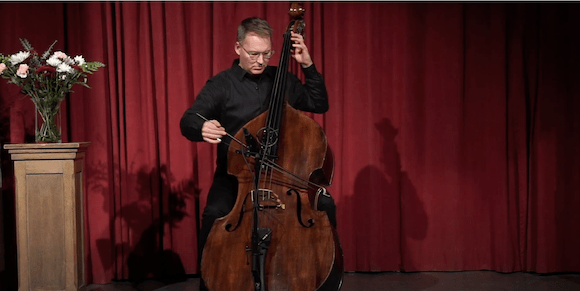
The third and final concert in Confluence Concerts and the Toronto Bach Festival’s presentation of the Bach cello suites is now on line. It features Andrew Downing playing the Suite No.2 in D minor BWV1008 on double bass and Ryan Davis playing the Suite No.5 in C minor BWV1011 on viola. Both pieces were recorded in front of a live audience at Heliconian Hall.

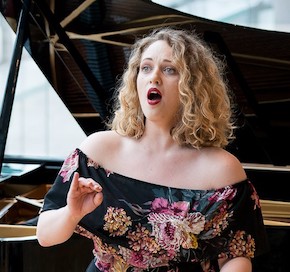 February always seems to be a busy month and the first half is shaping up that way. Things kick off on the 1st with the Sellars staging of di Lassus’ Lagrime di San Pietro at Koerner. On the 3rd Danika Lorèn is curating a concert at Heliconian for UoT Music. It’s called A Few Figs from Thistles, it’s at 7.30pm and it’s free. We are promised new songs by Danika based on poems by Edna St. Vincent Millay, Tekahionwake (E. Pauline Johnson) and Lorna Crozier.
 The latest concert in the Confluence series featured Marion Newman and friends addressing the question “What is Indigenous classical music?” through a carefully curated programme of works; all of which featured words by Indigenous women. We began with Marion singing Barbara Kroall’s Zasakwaa (There is a Heavy Frost) with words in Odawa describing the earth going to sleep for the winter with flute accompaniment by Stephen Tam. It was followed by Rebecca Cuddy singing three of the Five Songs on Poems by Marilyn Dumont by Ian Cusson. These are really fine settings of interesting, pithy, angry texts that have a wicked humour to them. I particularly like Letter to Sir John A. Macdonald which I’ve written about before.

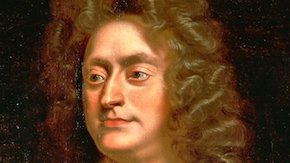 What do you get when you take nine multi-talented musicians from a variety of musical backgrounds and give them a Purcell toy box to play in? You get the latest concert in the Confluence series; ‘Tis Nature’s Voice: Henry Purcell Reimagined. It’s an amazingly fun evening that completely blows the cobwebs off the often stuffy Toronto baroque music scene. I can’t do a number by number account because I completely lost track. I was having way too much fun.
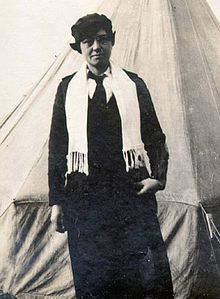 Your Daughter Fanny is a 45 minute long chamber opera with music by Alice Ho and libretto by Lisa Moore based on letters written by WW1 Newfoundland VAD nurse Frances Cluett (which can also be found in
 operaramblings