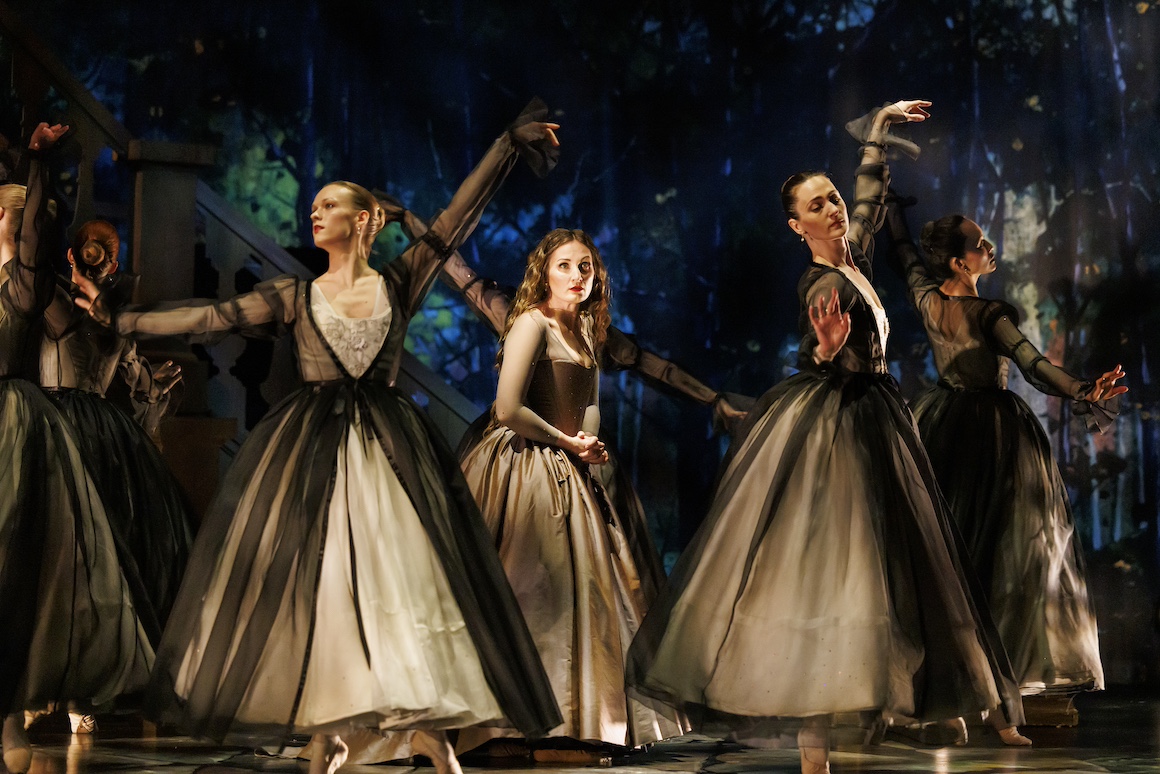
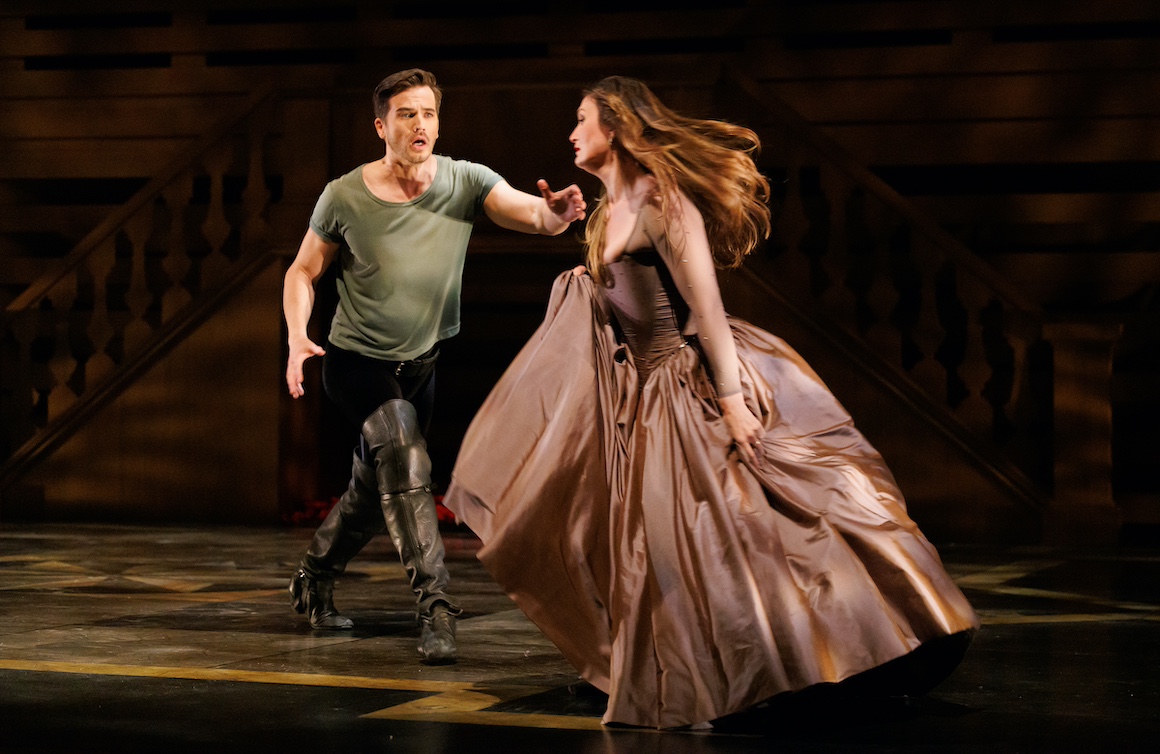
Opera Atelier opened a production of Debussy’s symbolist opera Pelléas et Mélisande at Koerner Hall on Wednesday evening with direction by Marshall Pynkoski and choreography by Jeannette Lajeunesse Zingg. Let’s start by making it clear that this is not an attempt to present the opera as it was seen or heard when it premiered in 1902 or even to try and reproduce that aesthetic with more modern technology which, I think, is what’s usually meant by “Historically Informed Performance” (HIP). The extent to which any recent Opera Atelier production is HIP is a discussion perhaps left for another day.
Tag Archives: debussy
Varied recital disk from Connolly and Middleton
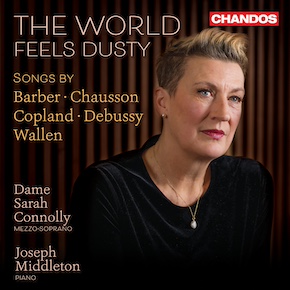
Dame Sarah Connolly and Joseph Middleton have teamed up for another interesting recital album. It’s quite varied. It starts with Chausson’s La Poème de l’amour et de la mer which is actually two songs with a piano interlude. It’s very fin de siècle chanson with the piano line rather more interesting than the vocal line but pretty decent stuff, if a bit emotionally overwrought.
Barber’s Three Songs Op.10 are quite well known, especially the last; “I hear an army”. They are dark and dramatic and suit Connolly’s voice very well. Next is the often heard Debussy piece Trois Chansons de Bilitis which purports to be settings of translations of actual Sapphic texts but which sound exactly like a 19th century Frenchman would imagine a Sapphic text to be; i.e languorous. Nicely done though. Next we come to a pair of declamatory songs by Copland; “The world feels dusty” and “I’ve heard an organ talk sometimes”. Definitely a welcome change of pace. Continue reading
Baudelaire with a twist
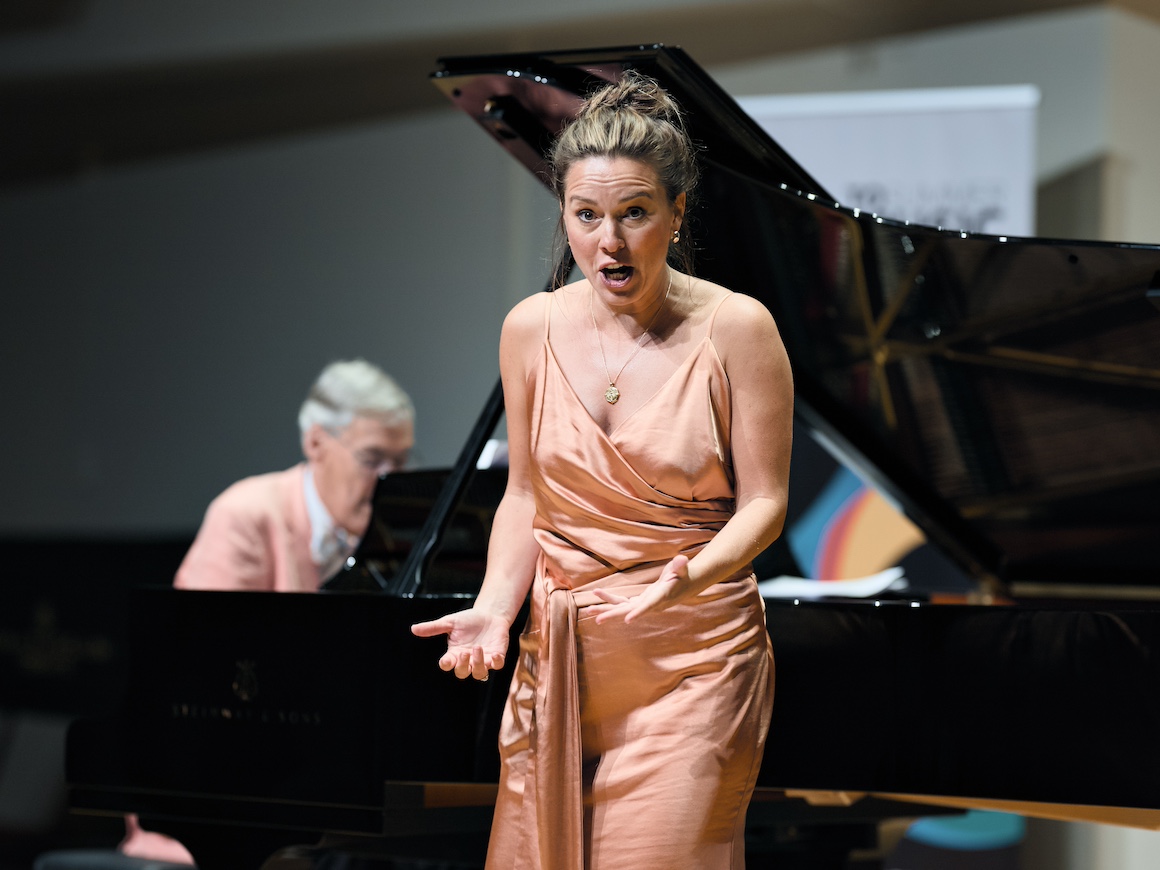
British soprano Mary Bevan and pianist Roger Vignoles gave a recital of French chansons in Walter Hall on Monday night. The concept was that the songs were paired; one being a setting of Baudelaire by a male composer and the other song by a female composer of the the same period. With two exceptions all the composers were French and with one exception from roughly the fin de siècle. So Duparc, Déodat de Séverac, Fauré Debussy and de Bréville were paired variously with the predictable; les sœurs Boulanger and Pauline Viardot, and less predictable; Mel Bonis, Marguerite Canal, Amy Beach (American) and Jeanne Landry (Canadian and much later).
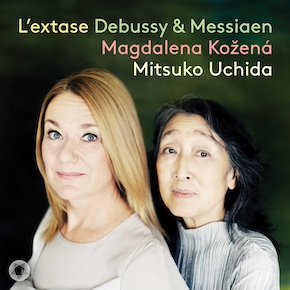
Songs by Debussy and Messiaen
L’extase: Debussy and Messiaen is a new CD from mezzo-soprano Magdalena Kožená and pianist Mitsuko Uchida. There are four sets of songs; three by Debussy and one by Messiaen. The Debussy sets are Trois Chansons de Bilitis which set texts by Pierre Louÿs, Cinq poèmes de Charles Baudelaire and Ariettes oubliées to tests by Paul Verlaine.
To my ear all these cycles inhabit a similar sound world. It’s very beautiful and languorous for the most part with something just not quite wholesome about it. We are clearly looking forward to the language of Pelléas et Mélisande. Only occasionally does something a bit more dynamic happen as in the quite dramatic “La tombeau des Naiades” from the first set and the lively “Chevaux des bois” from the Verlaine settings. Continue reading
Opera Atelier 2025/26
Opera Atelier has announced its 2025/26 season and while it’s not especially surprising it is intriguing. As usual it’s two shows. The first show is pretty conventional. It’s a revival of OA’s production of The Magic Flute at the Elgin Theatre on October 15th, 16th, 18th and 19th 2025. Nice cast though with Colin Ainsworth as Tamino, Meghan Lindsey as Pamina, Douglas Williams as Papageno, Karine White as Papagena and Stephen Hegedus as Sarastro.

Double bill from the Glenn Gould School
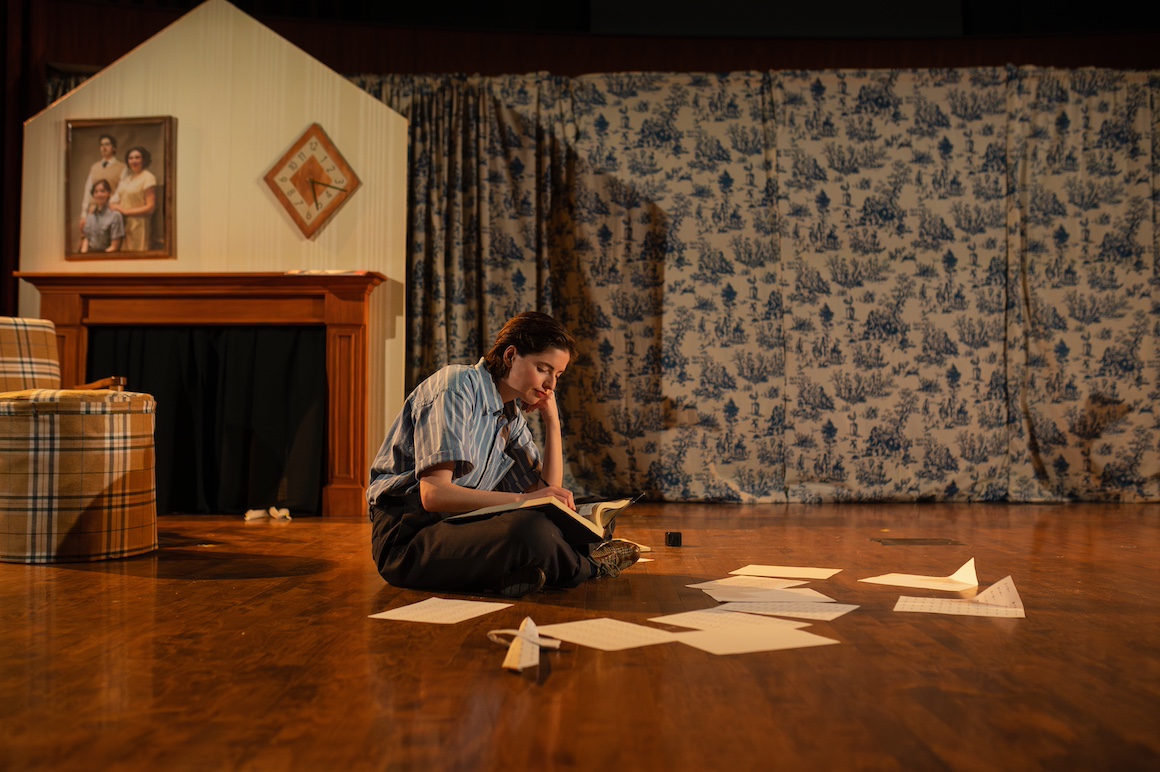
Friday night the Glenn Gould School presented a pair of French chamber operas in Mazzoleni Hall. The pieces were Ravel’s L’enfant et les sortilèges and Debussy’s Prodigal Son with a new English language libretto by Ashley Pearson. Pearson’s libretto concerns a gay man estranged from his family so director Mabel Wannacott’s linking idea is that the principal character in both is the same person as a child and twenty years later.

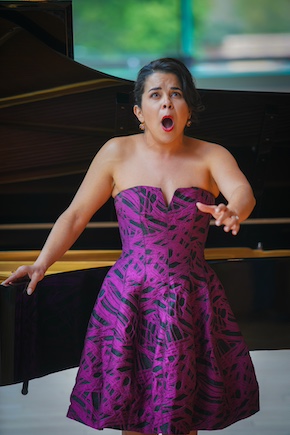
Simone Osborne and Rachael Kerr in the RBA
Wednesday’s lunchtime recital in the RBA featured Simone Osborne; currently appearing as Norina in Don Pasquale, and pianist Rachael Kerr. It was a well curated selection of songs apparently, at least partially, inspired by sleep deprivation singer and pianist both have small children!). There were three sets of four songs. One in each set was by a Canadian composer backed up by two others that were thematically related.
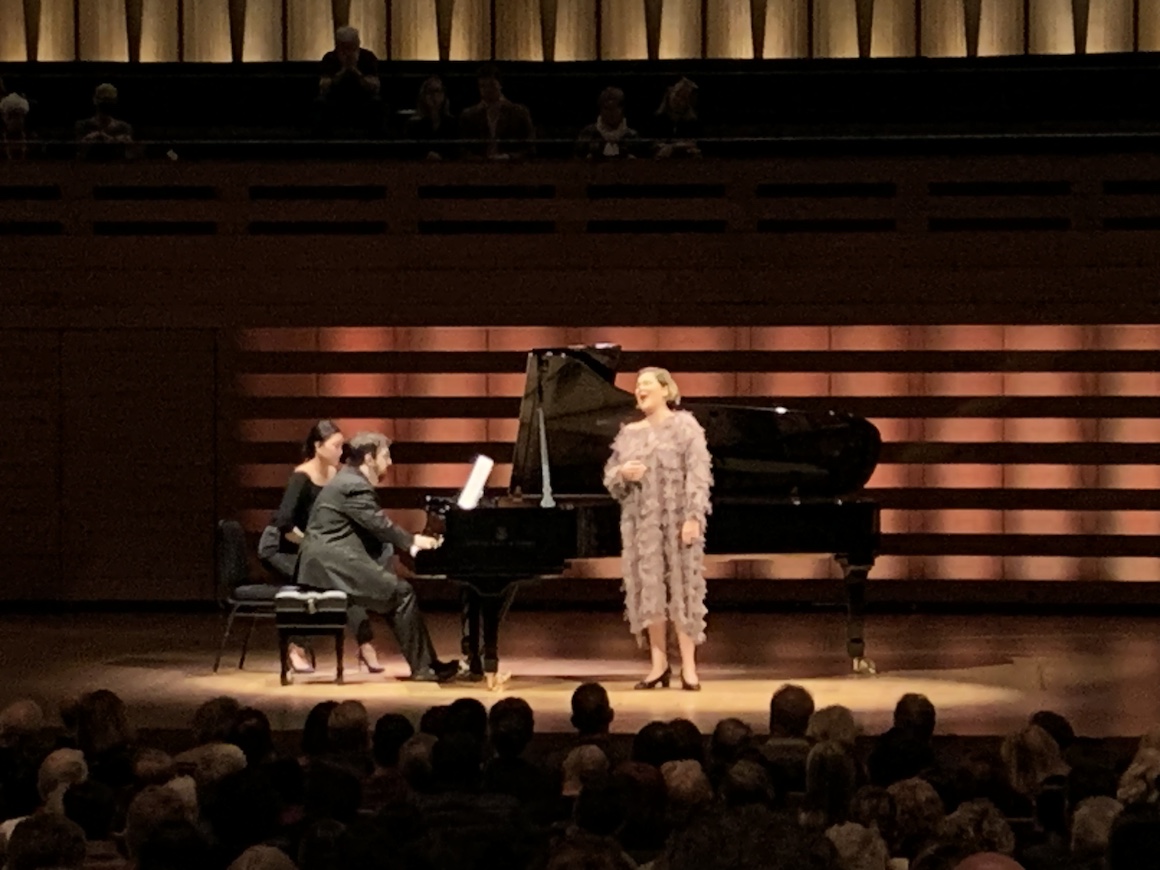
So the first set featured birds. Godfrey Ridout’s arrangement of She’s Like The Swallow was supported by Viardot’s Grands oiseaux blancs and Grieg’s “Ein Schwan” from Sex digte af Henrik Ibsen. It worked. The Ridout got a reasonably folk song like treatment, the Viardot was dramatic and the Grieg was just beautiful. A good start. Continue reading
All is Love
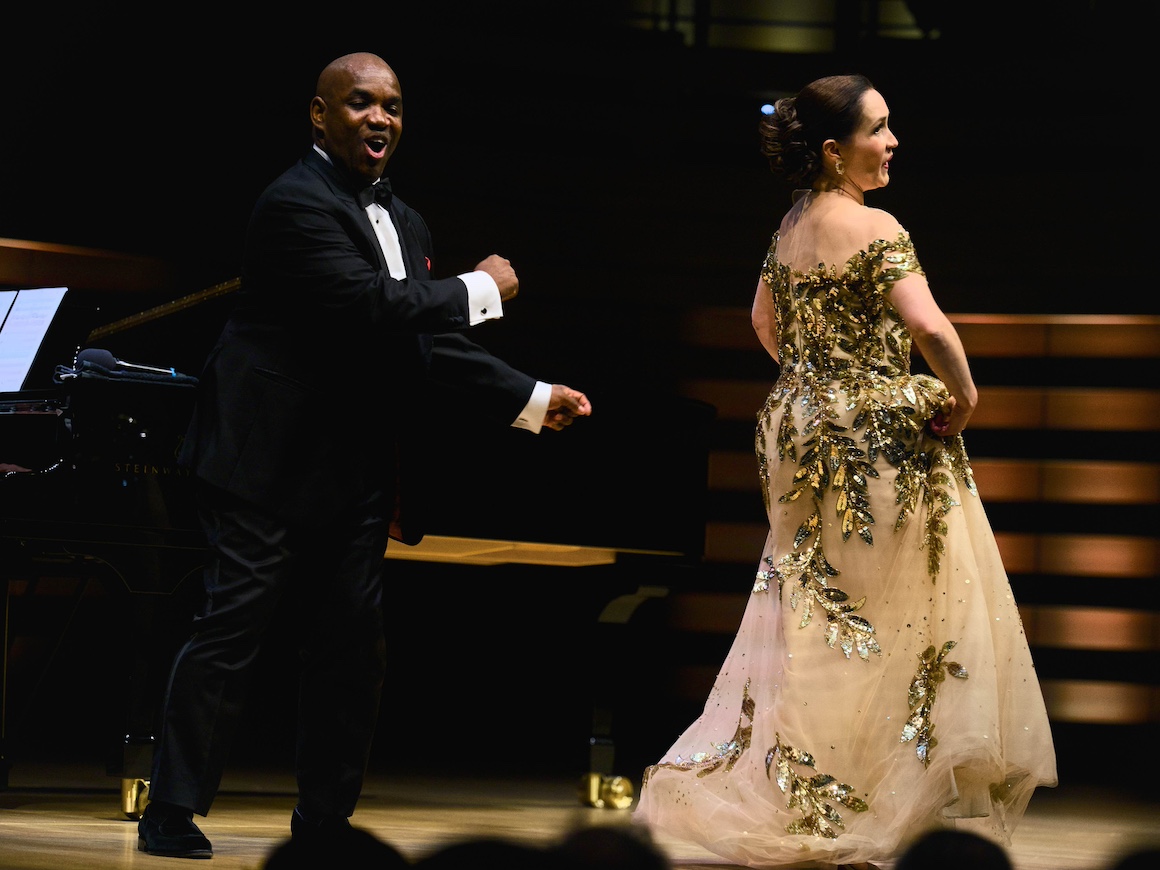
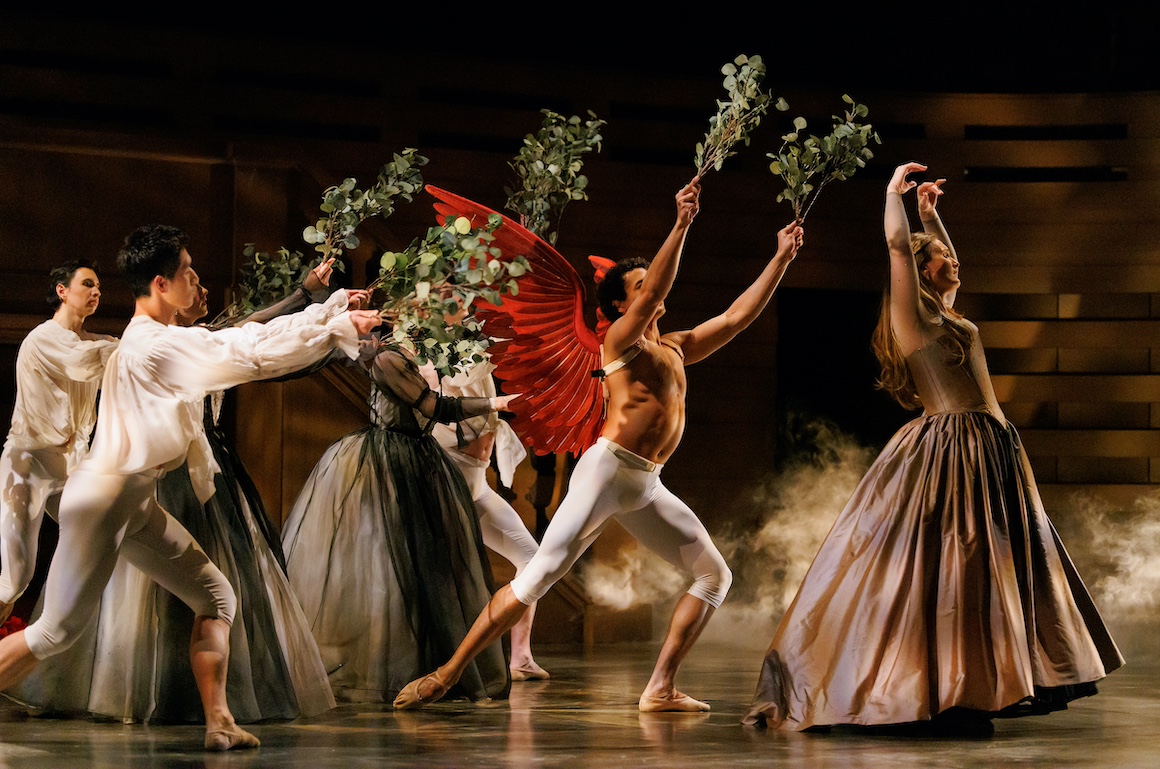
All is Love, which opened Thursday night at Koerner Hall, is a remount of the 2022 Opera Atelier show which, for various reasons, nobody much saw. It’s a staged series of quite eclectic (mosly) opera and ballet excerpts around the theme of “love”; which means pretty much anything goes.

Ema Nikolovska comes home
Mezzo-soprano Ema Nikolovska made her Koerner Hall recital debut on Sunday afternoon just twenty-six years after first enrolling at the Royal Conservatory of Music. It was clearly an emotional occasion for her and justified the barely choked back tears in her introduction. The emotion though did not negatively affect her singing which was notable for, among other things, great control; emotionally and technically.

Maeve Palmer’s Met debut
Metropolitan United Church that is. Not the other place. Anyway, it was a very pleasant Thursday lunchtime recital in which Maeve was accompanied on piano by Helen Becqué. It was essentially a “turn of the century” (as in around 1900) programme.

The first set was Debussy’s Ariettes Oubliees. The six songs are very Debussy. Maeve sang them idiomatically, in excellent French and with a fair amount of variation in emotional intensity from quite restrained to exuberant. She does “exuberant” rather well. Equally excellent and idiomatic playing from Helen who also provided a bit of a break between song sets with pieces drawn from the Preludes Op. 12 of Luise Adolpha Le Beau.