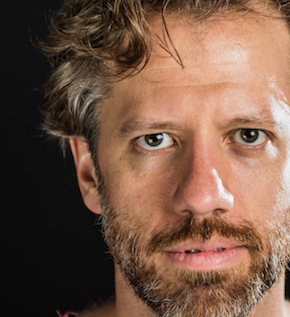
 I sat down a couple of days ago with Joel Ivany to discuss his upcoming production of Mozart’s Die Zauberflöte at the Royal Conservatory. Here are some of the things we talked about.
What’s Die Zauberflöte “about”?
This opera has had whole books written about it but no-one seems to agree on what’s at the core of it. Is it a simple fairy tale? Is it an allegory of Reason versus The Church? Is it a Coming of Age story? Unsurprisingly we didn’t come to firm conclusions here but it’s clear that Joel wants to particularly explore some of the aspects of gender raised by the piece; especially the apparent misogyny of the piece. There’s potentially more to Pamina than being the bait to trap Tamino or, alternatively, his completion. What is her roles in the Trials? What happens to either of them if they fail? If Tamino needs to be “completed” what are we to make of the unpartnered Sarastro? But, if Pamina has strength what kind of agency does she have? The other female character are equally problematic. How does one humanize the Queen of the Night? Who, or what, is Papagena? Neither of us think there are easy answers here and I’m looking forward to seeing how Joel’s take pans out. What we could agree on is that even if the simple equation of male = good/rational and female = irrational/disposable worked in 1791 (if, indeed, it did), it won’t work in 2019.
Continue reading →

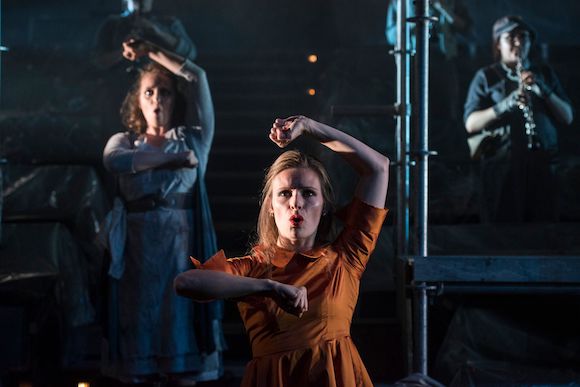
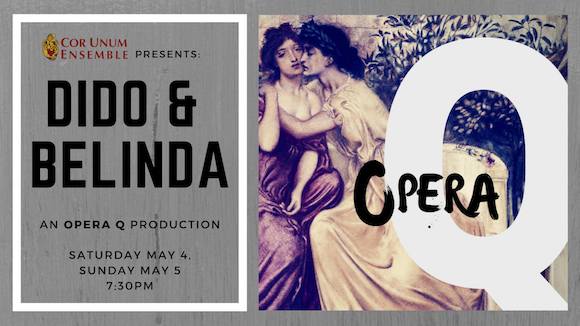
 There are lots of ways of presenting opera short of a fully staged/costumed performance with an orchestra. In Toronto I’d say “concert” or “semi-staged” performances are probably at least as common as the full Monty; partly for reasons of cost and partly because there aren’t that many venues with a pit and a fly loft. It’s generally pretty clear what “concert” performance means; concert wear and music stands, but what does the average punter expect when they see the words “semi-staged”? I really don’t know what to expect. Surtitles? Costumes? Props? Blocking? Orchestra, piano or something in between? I’ve probably seen all possible combinations of the above described as “semi-staged” and I don’t think I detect any pattern in what works and what doesn’t. Anyway Domoney Artists have a semi-staged version of Rossini’s Le comte Ory coming up on Saturday so I took the opportunity to ask director François Racine about his approach, which turned out to be not quite like any approach I’d come across before.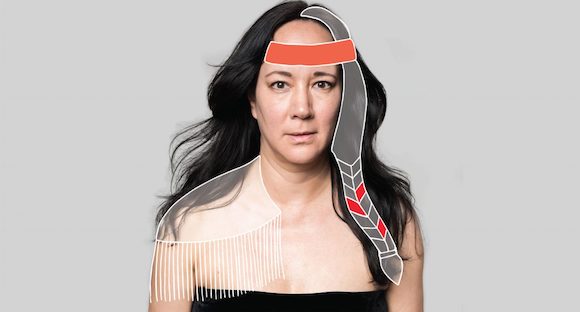


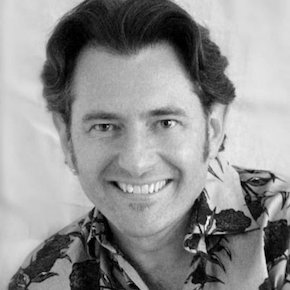 As previously noted the International Resource Centre for Performing Artists is once again running its program for young professional singers in Toronto. The program is in two parts. There was an “Encounter” (career workshop) with Brett Polegato on October 20th and there will be a concert at 7pm on November 6th at the Zoomerplex which will be broadcast by Classical 96.3. Yesterday I spent some time talking with Brett about the program, its rewards and challenges and, inevitably, we drifted off into some broader issues about careers in the opera world.
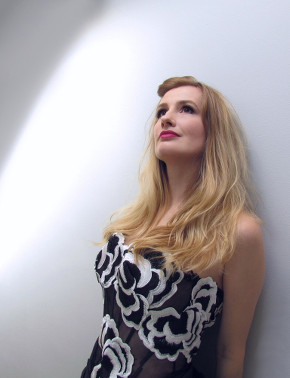 A couple of days ago I sat down to chat with Natalya Gennadi who will sing the title role in Tapestry’s upcoming premiere of Oksana G by Aaron Gervais and Colleen Murphy. It’s a story about a Ukrainian girl who gets caught up with a sex-trafficking ring; an all too real phenomenon in Eastern and Central Europe as the Soviet system disintegrated. For Natalya it’s a very personal piece. She is Ukrainian and much the same age as Oksana would be. It’s her era and Oksana is, she feels, a similar sort of person from a similar background and there but for…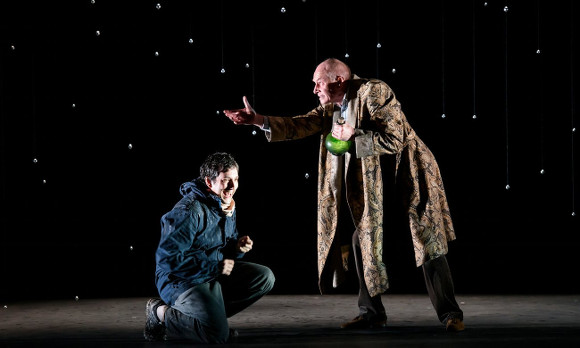
 operaramblings