
This afternoon I saw Gerry Finley and Julius Drake in recital at Koerner Hall. In other words, two supreme exponents of the art of lieder at the top of their game in a hall with near perfect acoustics. They performed Beethoven and Schubert settings of Goethe texts, some Tchaikovsky and some Rachmaninoff, which gave Julius ample opportunity to show off. They finished up with settings of folky things by Copland, Barber, Respighi and Britten. The last was The Crocodile; a very silly and funny piece I hadn’t heard before. The encore was by Healey Willans and Gerry gave a very nice plug for the Canadian Art Song Project. Insert standard list of adjectival phrases describing top notch singing and accompaniment. My humble scribing is not worthy.
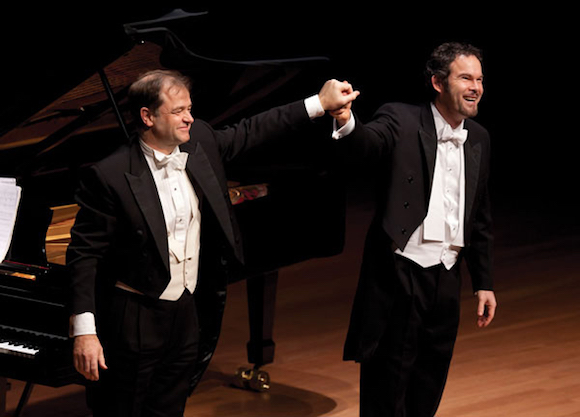
Not taken today. My phone pictures were awful
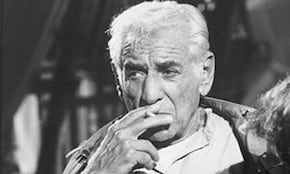 Last night the RCM celebrated the 100th anniversary of Leonard Bernstein’s birth with a suitably themed concert at Koerner Hall. The first half consisted of a performance of all the Anniversaries. These are short piano pieces; only a minute or two long, that Bernstein composed late at night. Each is dedicated to a friend or family member and many were reused later in longer works. There are somewhere between 20 and 30 of them and last night they were played in sets of three, four or five with introductions before each set by the composer’s eldest daughter Jamie complete with photos etc. The playing by Sebastian Knauer was idiomatic, virtuosic and sensitive. The introductions were informative, engaging and mercifully short. The music covered a vast range of moods and styles though all of it very Bernstein; that is to say tonal and obviously American. I was particularly struck by the brooding piece he wrote for his younger daughter some years after the death of her mother and by the earlier piece, dedicated to his wife Felicia Montealegre, that had Copland all over it and was none the worse for that. It was actually a rather brilliant way to showcase the man in a 45 minute or so concert segment.
 Handel’s Alexander’s Feast is an oratorio to a text by Newburgh Hamilton based closely on an earlier Dryden St. Cecilia’s Day ode. The basic plot is that Alexander is feasting in captured Persepolis with his mistress Thaïs. Inflamed by the music of Timotheus he decides to burn down the city in revenge for his fallen soldiers. Cecilia descends from Heaven and substitutes music for the king’s barbarous intentions. There are solo and choral numbers and a couple of duets and there are two concerti; one for triple harp representing Timotheus’ lyre playing and an organ concerto for St. Cecilia. It’s all quite tuneful and interesting if not as inspired as some of the better known oratorios.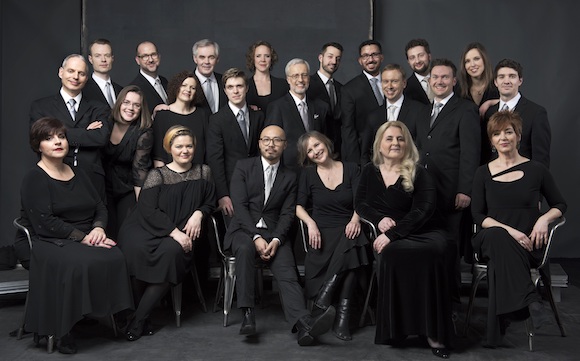
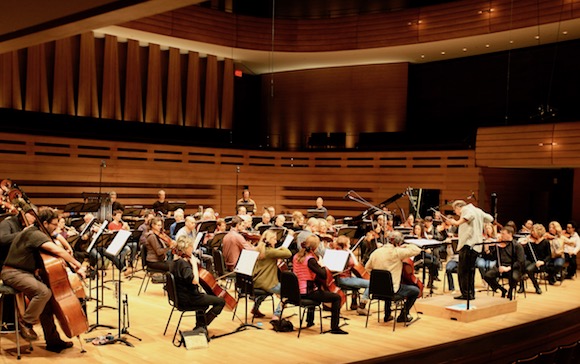
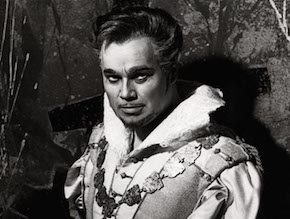 I guess it’s starting to quieten down a bit. Next week there are a couple of things of interest. On Monday the Faculty Artists at UoT have a concert in Walter Hall with Uri Mayer conducting. It’s an all Mahler program with the Lieder eines fahrenden Gesellen and the Fourth Symphony. The vocal soloists are Monica Whicher and Darryl Edwards. Later in the week the UoT Opera has its main fall production. This time it’s Don Giovanni conducted by Uri Mayer and directed by Marilyn Gronsdale. That’s in the MacMillan Theatre at 7.30pm on Thursday, Friday and Saturday with a matinée on Sunday. There will, as usual be two casts; one on Thurs/Sat and the other Fri/Sun. On Friday there’s another Whose Opera is is Anyway? from LooseTEA Theatre; Toronto’s opera improv. That’s at 7.30pm at the Comedy Bar. They are moving from there (good!) to Bad Dog Theatre for their December show on the 20th which should also be hosting a monthly show in 2018.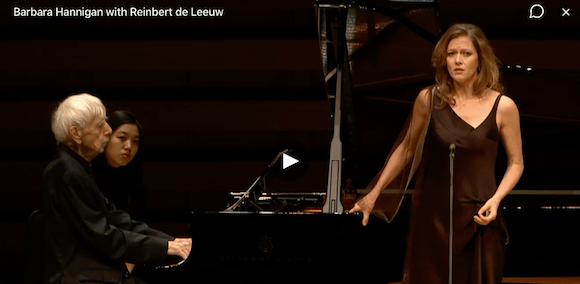
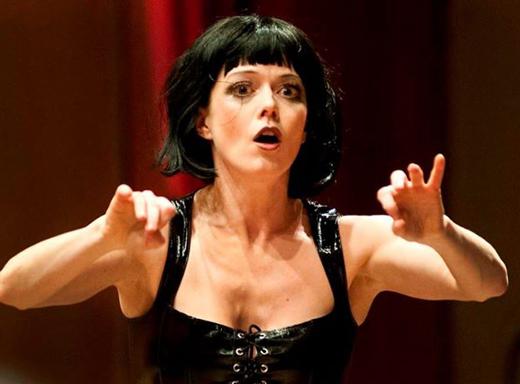
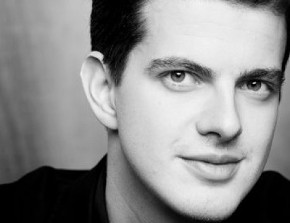 Last night Philippe Jaroussky appeared with Les Violins du Roy and conductor Matthieu Lussier in a mostly Handel program at Koerner Hall. It was a very good evening. Les Violons du Roy is a pretty small band; less than twenty including continuo, but they manage to produce quite a big sound while remaining elegant and flexible in a thoroughly idiomatic baroque way. The instrumental component consisted of a Handel overture, Fux’ Ouverture in D minor and Johann Gottlieb Graun’s (not the better known Carl Graun who was apparently his brother) Symphony in B Flat Major. It was a pretty good sampling of what one might have heard in the courts of Germany in the early 1700s and rather enjoyable.
 operaramblings