
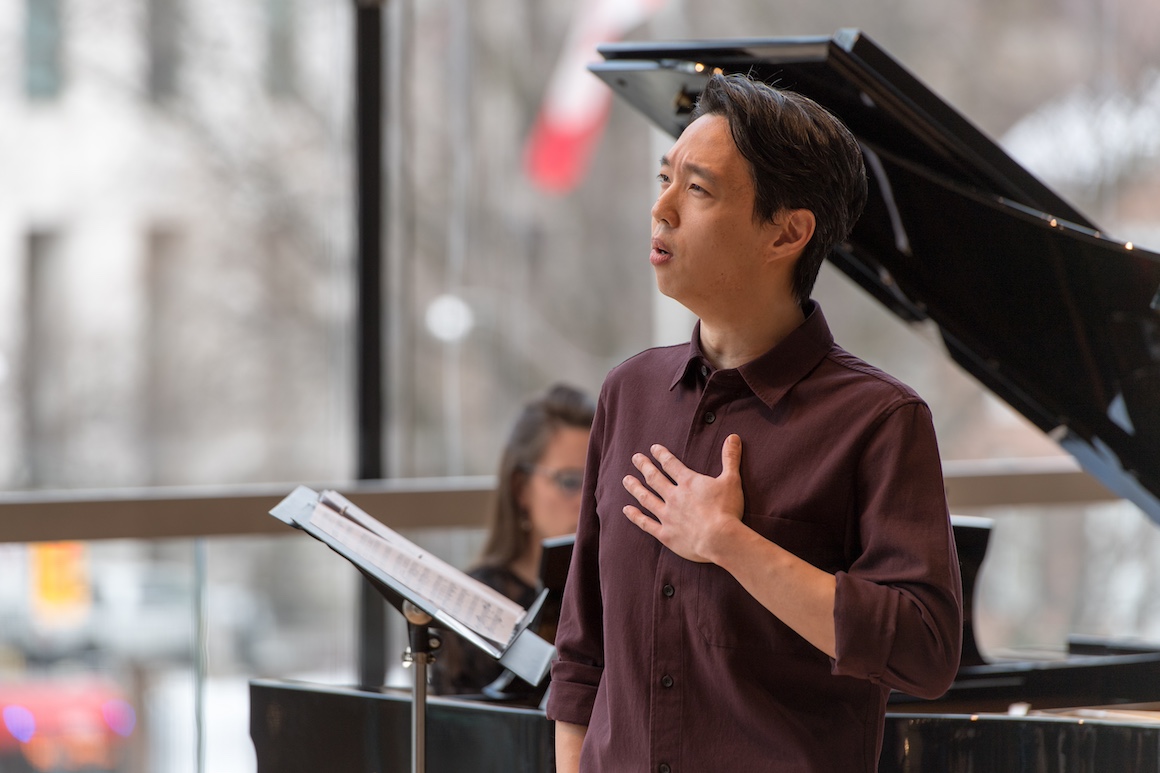
Wednesday’s lunchtime concert in the RBA was given by Ensemble Studio graduates Samuel Chan and Rachael Kerr, reuniting for the first time since ES days. Nowadays Sam is Fest at Theater Kiel and the recital was built around his attempt to probe his identity as a Chinese-Canadian performing Western opera for (mostly) Germans. Sam is a pretty deep, thoughtful kind of guy so it wasn’t surprising that this was an unusual and carefully curated recital. It was also quite wonderfully performed.
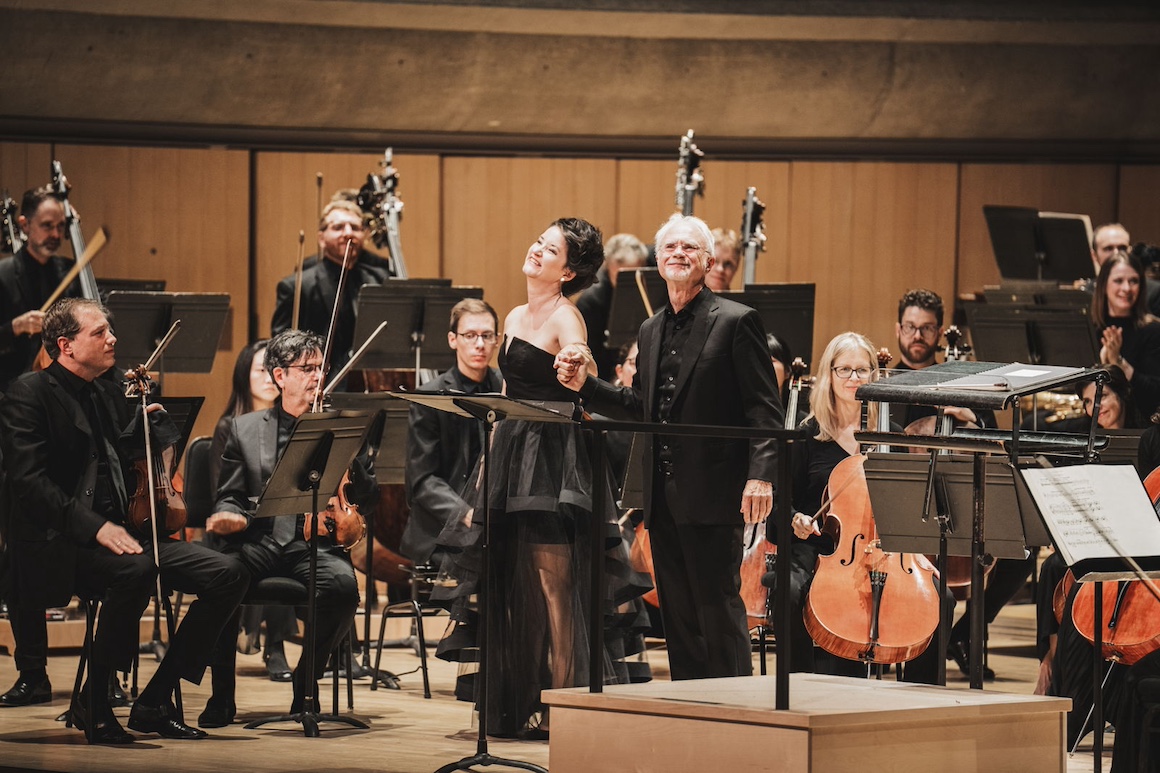
 The Toronto Symphony’s 2024/25 season is the usual mix of mainstream symphony/concerto rep, Pops, film music, kids’ concerts etc. My sense is that it has got more “popular” since the pandemic and that therefore there’s been less that’s caught my eye. That’s my story anyway!
 Problematica is an upcoming solo CD with some interesting twists from Canadian cellist+ India Gailey. I can’t call it a solo cello CD because Gailey contributes vocals as well as some truly virtuosic cello playing and there’s lots of electronics and electronic processing involved. There are also some unusual presentation options. There are seven works by younger Canadian composers on the disk and recording engineer John DS Adams of Stonehouse Sound makes a major contribution.
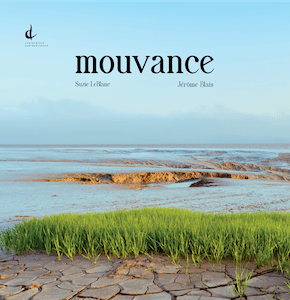 mouvance is a CD of music by Jerome Blais performed by Suzie LeBlanc (soprano), Eileen Walsh (clarinets), Jeff Torbert (guitars), Norman Adams (cello) and Doug Cameron (percussion). At first glance it looks like a set of songs or maybe a song cycle in the sense that it sets a series of French texts by various writers. In fact it has its origins in a multi-media show about, to quote Blais, “the universal themes of movement, migration and uprooting”. I think this is why I found it more satisfying to think of it as an integrated whole because there’s really no sense of separation between the “songs”.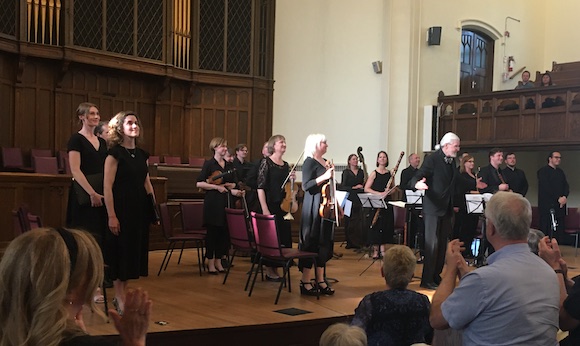
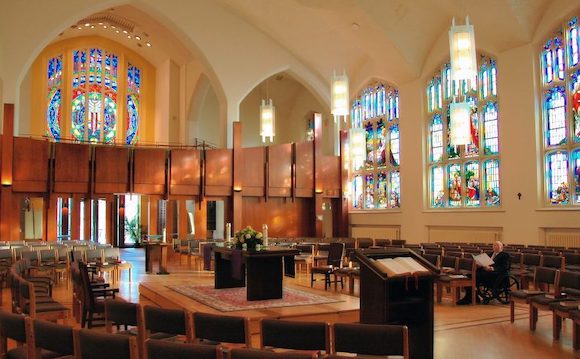
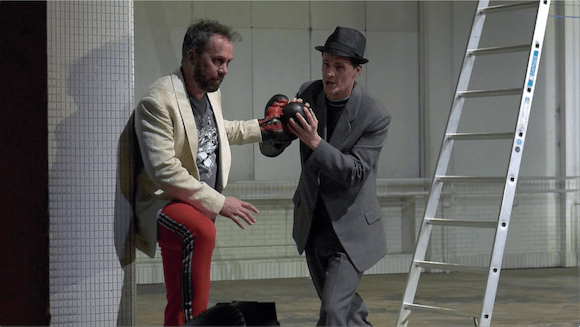
 John Adams’ 2005 opera Doctor Atomic, about the development of the first atomic weapon, comes over very effectively on CD. I think this is because, in essence, it’s more oratorio than opera. There’s very little action in the stage version. So little in fact that Peter Sellars staged the original production rather the way he stages oratorios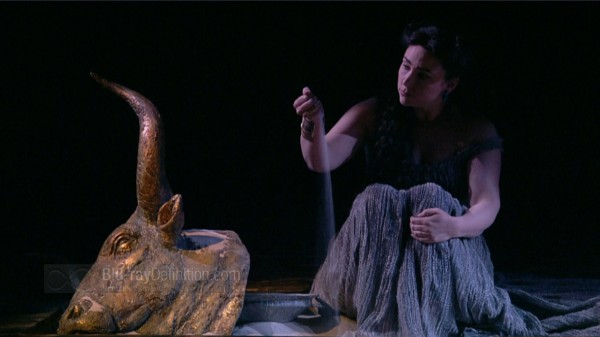
 operaramblings