
 Saturday evening’s Cinq à Sept
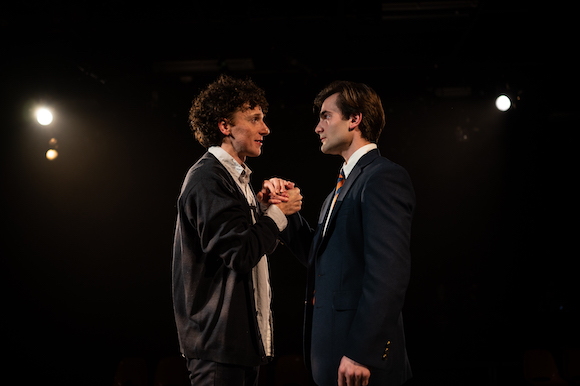
 concert in the 21C Festival at the Royal Conservatory was intriguing. The first half of the programme was a new song cycle, After the Fires, with words by Liza Balkan and music by Lembit Beecher. It set seven pieces about the 2020 fires on the central California coast and their aftermath based on interviews with local residents. It’s a really interesting piece scored for piano, clarinet, soprano, mezzo-soprano and baritone. It’s very “text first”. Although the accompaniment is often intricate it never overpowers the words and there’s a real harmony between words and music. The mood varies but, given it’s about really awful events, it’s more elegiac and lyrical and even funny than angry or sad. It got a fine, nuanced performance from Henry From (piano), Zachary Gassenheimer (clarinet), Xin Wang (soprano), Andrea Ludwig (mezzo-soprano) and Korin Thomas-Smith (baritone). Continue reading
After the Fires
Reply
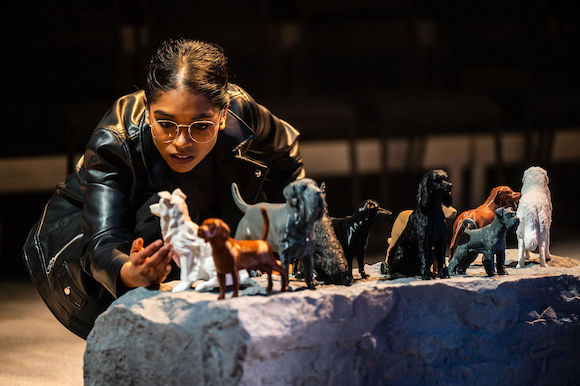
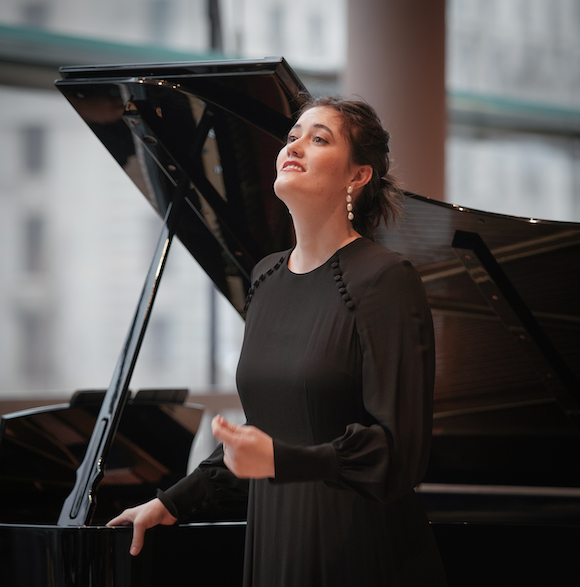
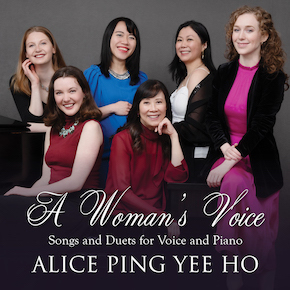 A Woman’s Voice is a record with 84 minutes of music for female voices and piano by Alice Ping Yee Ho. It’s a mixture of songs and excerpts from operas and a plkay. All but one track feature Toronto based artists who include no less than three Norcop prize winners. Overall, I found the songs more fun to listen to than the opera excerpts though they were interesting in their own way too and I’m seriously intrigued by a couple of them that I haven’t seen but now want to.
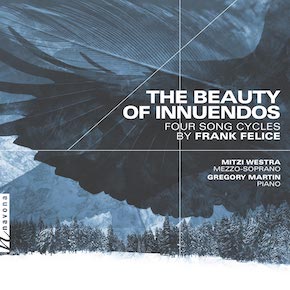 I think a lot of my motivation for listening to The Beauty of Innuendos was a desire to learn what on Earth the composer, Frank Felice, meant by “consonant adiatonicism”. I’m still not sure I really know. In any event there’s some enjoyable music on the record though I did find it a bit of a mixed bag.

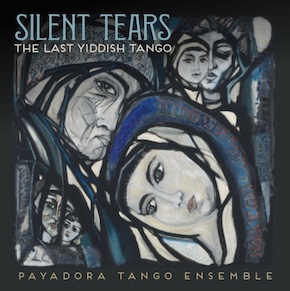 Silent Tears: The Last Yiddish Tango is a CD of songs based on the recollections of Holocaust survivors. Some of the songs deal with events during the Holocaust and others with the trauma of survivors. There are two main sources for the lyrics. One is the Baycrest Holocaust Surviviors Poetry Project facilitated by Dr. Paula David. The poems produced during that process were published in 1995 and adapted for this project. Other songs are based on the writings of Holocaust survivor Molly Applebaum who escaped by being buried under a barn in a small wooden box. The English texts have been adapted for this project by Dan Rosenberg and translated into Yiddish, others were originally written in Polish and remain in that tongue.
 operaramblings