
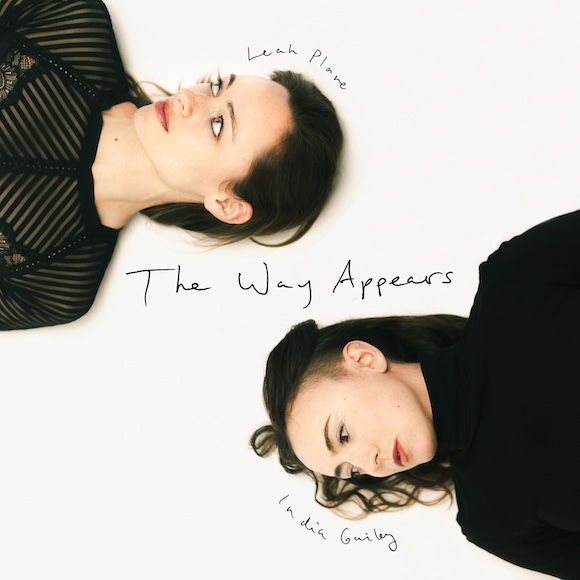
 The Way Appears is a CD by cellist duo Leah Plave and India Gailey. It consists of seven commissioned pieces by young(ish) Canadian composers who were asked to create pieces in which the two instruments function as equal partners rather than, say, as soloist and continuo. It’s a really varied and interesting collection providing a little over forty minutes of music.
Right up front there’s an interesting contrast between Emily Kennedy’s conversational but rather busy Triptych and Adam Vincent Clarke’s Voix Lointaines which is much more elegiac with some vocalisation thrown in.
Continue reading
 On May 26th and 27th in the MacMillan Theatre there’s a chance to see Haydn’s rarely performed Orfeo: L’anima del filosofo. It was composed for London in 1791 but was shut down during rehearsals because the Lord Chamberlain’s office thought it subversively supportive of enlightenment values at a time when Pitt’s government was cracking down brutally on pro French Revolutionary sentiment in the UK.
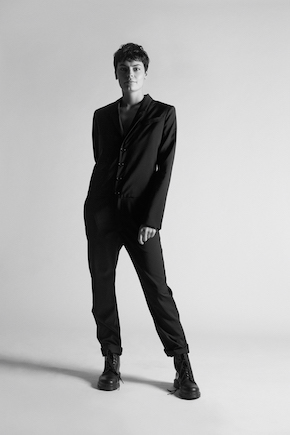 There was never a chance that Emily D’Angelo’s solo recital at Koerner Hall was going to be a steady procession of German lieder and French chansons with the odd Broadway number thrown in and it wasn’t. It was what D’Angelo fans would expect and (some of us at least) crave; lots of women composers and lots of contemporary music. There were five sets.
 A Woman’s Voice is a record with 84 minutes of music for female voices and piano by Alice Ping Yee Ho. It’s a mixture of songs and excerpts from operas and a plkay. All but one track feature Toronto based artists who include no less than three Norcop prize winners. Overall, I found the songs more fun to listen to than the opera excerpts though they were interesting in their own way too and I’m seriously intrigued by a couple of them that I haven’t seen but now want to.
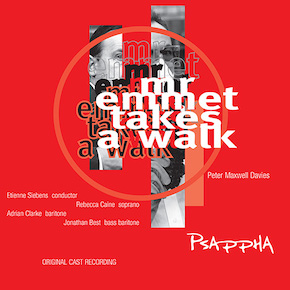 Mr. Emmet Takes a Walk is the latest in the series of rereleases of works by Peter Maxwell Davies performed by the Manchester ensemble Psappha. The work premiered in 2000 and was recorded in 2005 and it’s the composer’s penultimate work for the stage. (FWIW I’ve heard five of PMD’s stage works but never seen one performed).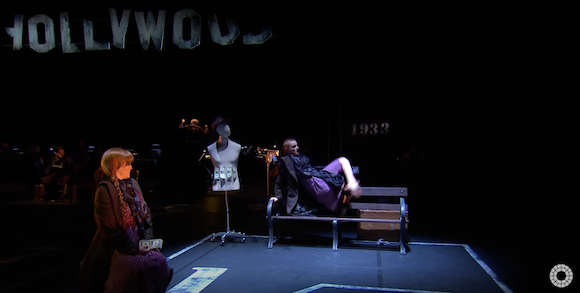
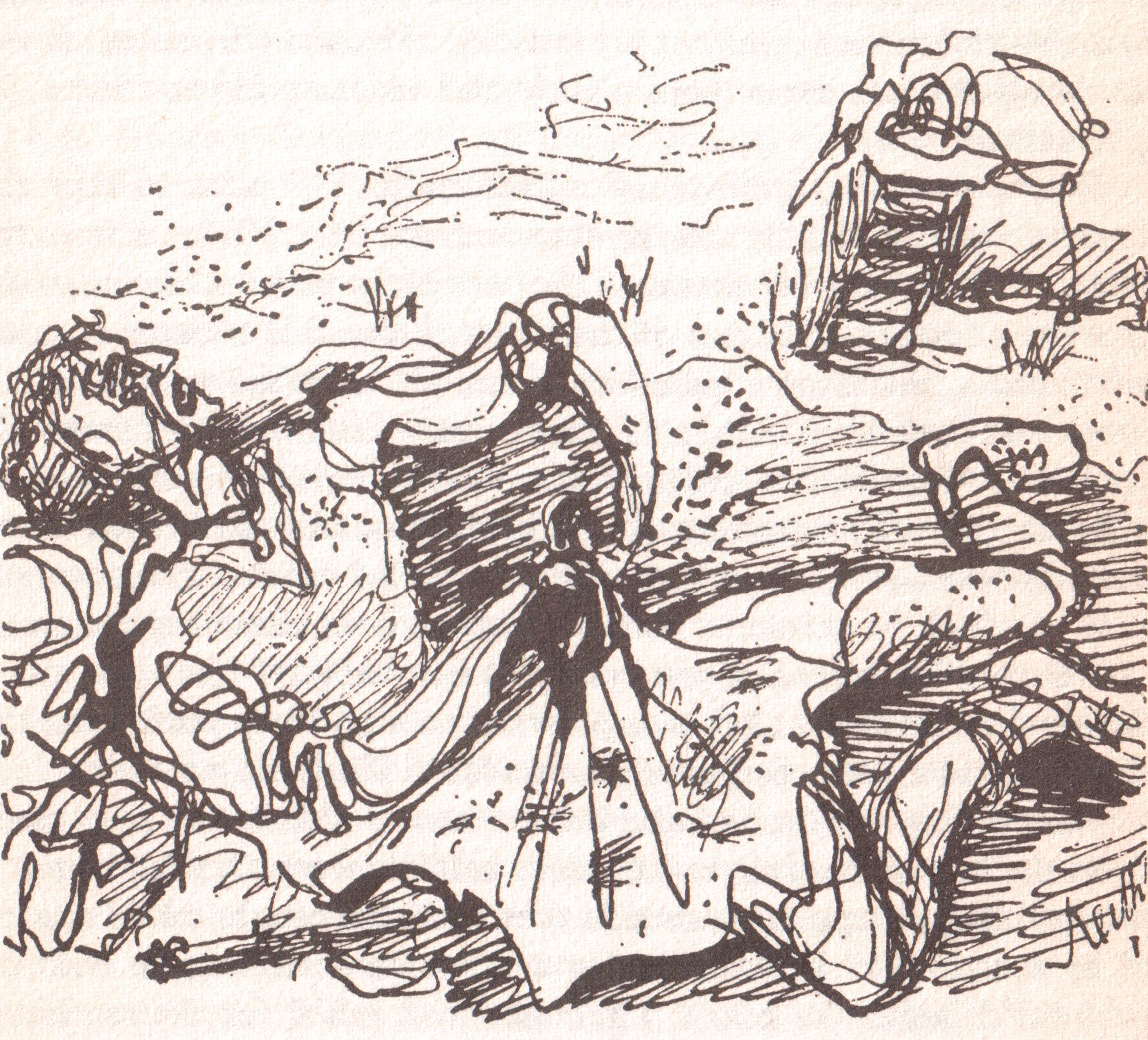
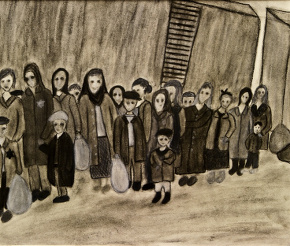 The current Canadian Children’s Opera Company show; Brundibár, represents something of a new direction from the company. Previous shows, at least those I’ve seen, have been quite light and based, typically, on fantasy, fable or popular history. The current offering is altogether more serious. At its core is Brundibár, a children’s opera written by Hans Krása for a Prague orphanage in 1939 and subsequently performed over fifty times in the “showcase” concentration camp at Terezin.

