
Metropolitan United Church that is. Not the other place. Anyway, it was a very pleasant Thursday lunchtime recital in which Maeve was accompanied on piano by Helen Becqué. It was essentially a “turn of the century” (as in around 1900) programme.
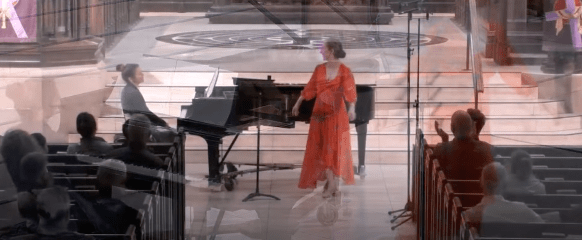
The first set was Debussy’s Ariettes Oubliees. The six songs are very Debussy. Maeve sang them idiomatically, in excellent French and with a fair amount of variation in emotional intensity from quite restrained to exuberant. She does “exuberant” rather well. Equally excellent and idiomatic playing from Helen who also provided a bit of a break between song sets with pieces drawn from the Preludes Op. 12 of Luise Adolpha Le Beau.

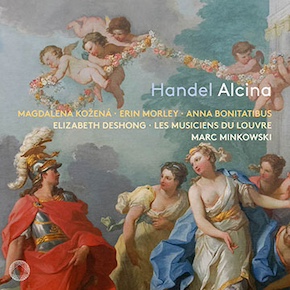 The new recording of Handel’s Alcina from Marc Minkowski, Les musiciens du Louvre and a rather starry line up of soloists is very good and quite interesting. It’s very complete. As far as I can tell all the ballet/dance music is included and so are all the Oberto scenes and all his arias. In all the staged performances I’ve seen (live or video) one or both are usually heavily truncated and I have seen versions where Oberto doesn’t feature at all.

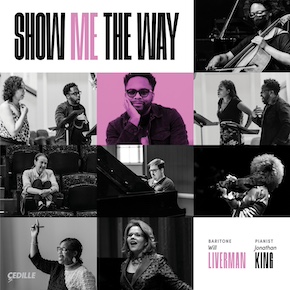 Show Me The Way is a new double CD from baritone Will Liverman, pianist Jonathan King and various collaborators featuring vocal works by female American composers. It draws on a wide range of influences from Ella Fitzgerald to Will’s mother.
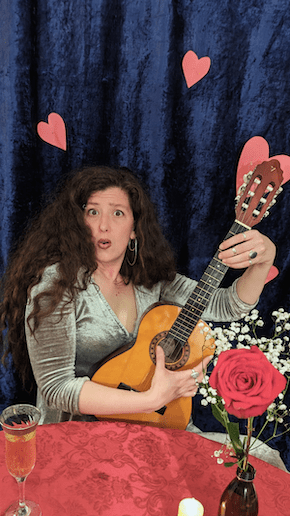 You might have noticed I’ve been expanding my horizons a bit recently. Saturday night was no exception. I was at The Toronto Sketch Comedy Festival at the Theatre Centre for a double bill of sketch comedy. I don’t think I’ve seen sketch comedy live since university so I really didn’t know what to expect.
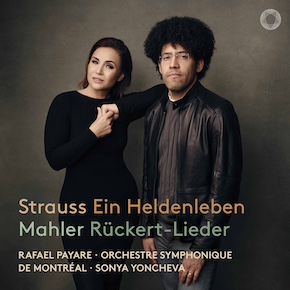 It’s an interesting idea for a CD to couple an exuberant early Strauss tone poem with a extremely introspective Mahler song cycle and that’s what L’Orchestre Symphonique de Montréal have done for their upcoming release with conductor Rafael Payare. I’m not especially familiar with Richard Strauss’ Ein Heldenleben Op. 40 but it sounds suitably Straussian and it gets a full blooded treatment from Payare with the solo violin part played quite beautifully by Concertmaster Andrew Wan.
 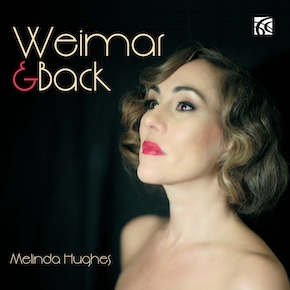 After discovering a rare Viktor Ullmann video, the Shoah Songbook concert and seeing Ute Lemper live I decided to go off and have a look for more music from Weimar, the Holocaust and resistance to Nazis; past and present. It was an interesting haul and included a 2018 album from English cabaret singer/comedienne Melinda Hughes.
