And in the coming week… On Tuesday there is a treat for fans of contemporary music. Krisztina Szabó will be performing the Berio Folksongs in the RBA at noon. She will be accompanied by members of the Esprit Orchestra and the programme also includes Andrew Staniland’s Orion Constellation Theory and Alexina Louie’s From the Eastern Gate.
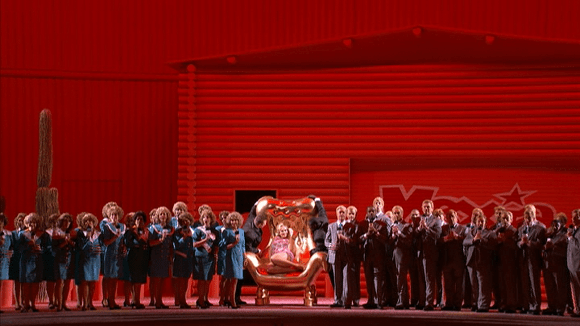
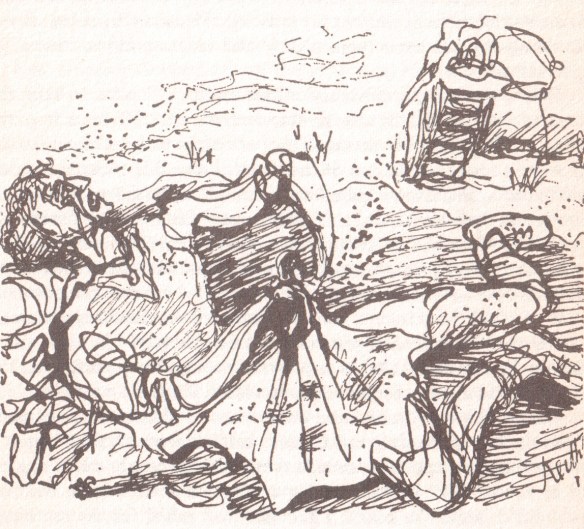
Thursday sees the opening of the COC season with Strauss’ Arabella in a production by Tim Albery starring Erin Wall, Jane Archibald and Tomasz Konieczny. Check out this article by Lydia Perovic for a South Slav’s take on an opera with South Slav references including that hardy Strauss perennial; hunting bears in Croatia. Arabella runs until the 28th at the Four Seasons Centre.
On Saturday, indigenous production company Red Sky Productions are collaborating with the TSO in a new piece by Eliot Britton; Adizokan. It’s a fusion of dance, video electro-acoustics and music in both western symphonic and indigenous traditions. 7.30pm at Roy Thomson Hall.



 Here’s a preview of things to see/listen to next week. It’s Met in HD season again and the next two Saturdays have broadcasts. On the 7th it’s Bellini’s Norma with Sondra Radvanovsky and Joyce DiDonato. It’s a David McVicar production and no prizes for guessing what happens when you cross McVicar and druids. On the 14th it’s Die Zauberflöte with the Resident Groundhog conducting. It’s the Julie Taymor production but given in full in German rather than the abridged ‘for kids” version. The best thing about the cast is René Pape’s Sarastro.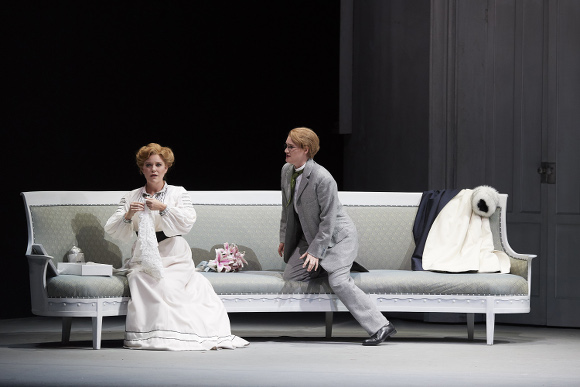
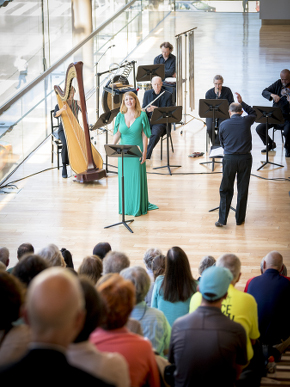 Yesterday’s lunchtime concert in the RBA featured members of the Esprit Orchestra and Krisztina Szabó. Two instrumental pieces kicked things off. There was an Andrew Staniland composition for snare drum and electronics; Orion Constellation Theory, played by Ryan Scott. This was quite witty and inventive. Very Staniland in fact. Then came a three movement work for solo harp; Alexina Louie’s From the Eastern Gate played by Sanya Eng. For two movements it was light and bright using mainly the upper end of the harp’s range. It was engagingly tuneful too though not in any kind of conventionally tonal way. The third movement was darker, louder and more dramatic, brooding even, and using a far wider range of the instrument’s capabilities. All up, an interesting piece.
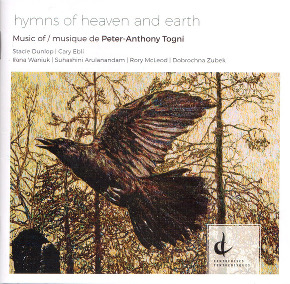 hymns of heaven and earth is a Centrediscs CD featuring three works by Halifax based Peter-Anthony Togni. I have limited experience with Togni. I thought his Responsio (reviewed for Opera Canada) was inspired but was less impressed with his