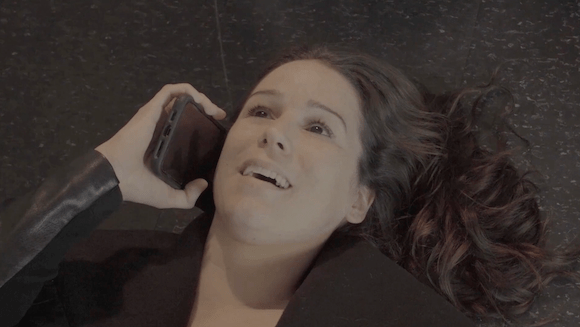
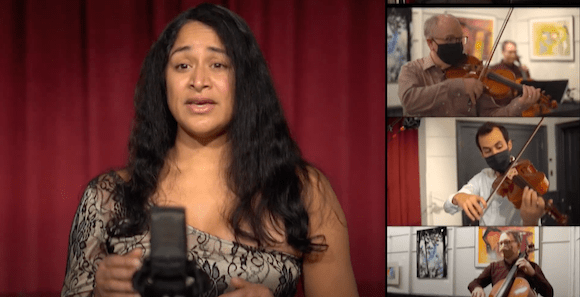
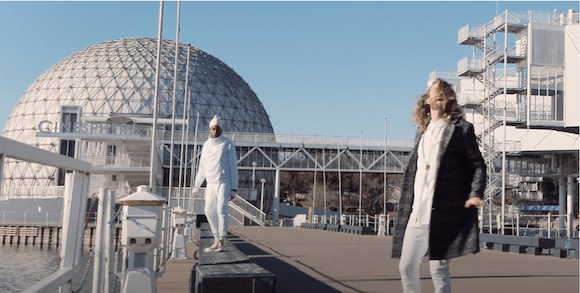
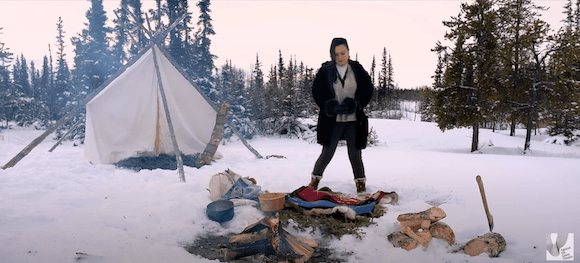
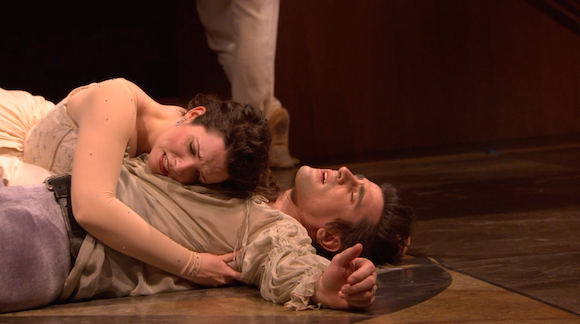
Back in 2018 I wrote about the Yiddish Glory project including a concert at Koerner Hall and a CD. Well, Anna Shternshis and her team are back with more music from the ghettos, in particular Pechora Camp in Transnistria. This time it’s themed around the typhus epidemic of 1941/2 and the impact it had on the camp’s inmates. The music and accompanying narrative feature in a short but interesting Youtube video. There’s dark humour here especially in the song I’m a Typhus Louse which personifies the disease in a way that’s curiously similar to Spitting Image‘s portrayal of COVID. Like most Holocaust related material it’s not easy to watch but it’s a compelling story with interesting music which is beautifully and wittily performed. The filming is rather good too and the technical quality is excellent. All the performers are fully credited on the video so I’ll not duplicate that information here.
Category Archives: Web streams and casts
On-line roundup
Ontario’s state of emergency seems to have slowed the production of on-line content to a trickle. The only new things I’ve seen recently are from the ever reliable Opera Revue and Alexander Hajek.
Opera Revue’s eighth isolation production features five pieces from Frank Horvat’s Music for Self Isolation; a set of thirty one short pieces for one or two musicians written last spring. The concert features the five pieces with a vocal part. I have to say I liked the texts; taken from various sources, more than the music. The music is sort of “singer sonwriterish”; simple, tonal, melodic, a bit repetitive. It’s fine of its type but it’s not my bag. Performances by various combos of sopranos Emily Ding and Dani Friesen, pianist Claire Harris and guitarist Michael McKenzie are very nice though and the recording; despite being done via Zoom, is perfectly acceptable. The music may not be entirely my thing but I’m delighted that someone is doing projects like this. You can find it on Opera Revue’s channel on Youtube.
Alex Hajek’s contribution is another intriguing Toronto based film this time featuring Der Doppelgänger from Scubert’s Schwanengesang. It’s beautiful to look at and beautiful to listen to and, again, featurers Claire Harris on piano as well as Alex’ lovely baritone. This one’s on Youtube too. The channel is Alexander Hajek.
Mandala
Mandala – the Beauty of Impermanence is the latest on-line offering from Confluence Concerts. It’s curated by Suba Sankaran and should have seen the light as a live show last May. The programme is as eclectic as one has come to expect from Confluence and lots of fun. In the spirit of impermanence it will be available on the Confluence channel on Youtube only until February 10th.
The Passion of Simone
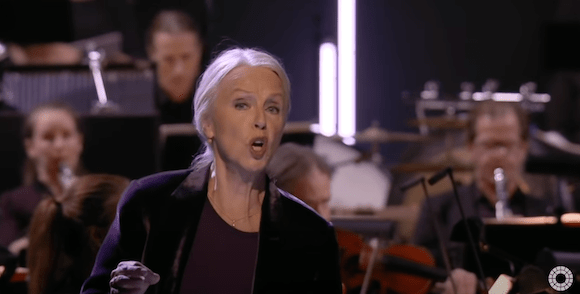
I’m rather suffering from “stream fatigue” right now but once in a while something really worth watching shows up. I’d put Royal Swedish Opera’s recent performance of Kaija Saariaho’s oratorio La passion de Simone in that category. It’s a 2006 work with a French libretto by Amin Maalouf dealing with the life and thought of philosopher, social activist and mystic Simone Weil.

Glenn Gould School double bill
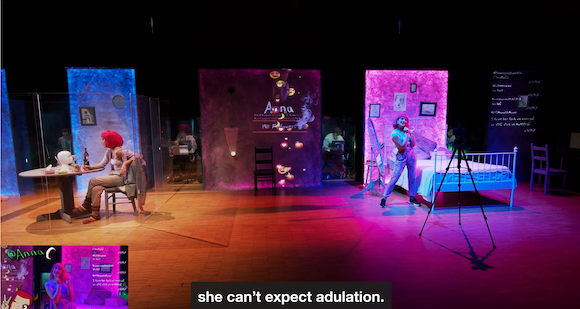
The “postponed from the fall” double bill from the Glenn Gould School finally streamed on the Koerner Hall channel last night. The first piece was likely familiar to most viewers; Kurt Weill’s The Seven Deadly Sins given in piano score in a production by Amanda Smith. The concept here is that Anna 2, rather than being a dancer, is some kind of on-line celebrity exploiting dating sites to bring her fame and fortune. The production had originally been designed for an audience and used moveable plexi-glass shields to ensure social distancing. It also made extensive use of projected conversation bubbles, emojis and other social media effects. This seems to have been ramped up in post production to add picture-in-picture effects and maybe to make the lighting; already a sort of rave inspired blend of blues and pinks with touches of rather lurid green, even more dramatic. With on screen subtitles it was arresting but maybe just a little too busy to fully process!
Electric Messiah 2020
The sixth iteration of Soundstreams’ Electric Messiah unsurprisingly morphed from a live show in the intimate setting of the Drake Underground to a streamed video recorded on location in various places in Toronto. There is much that was the same as previously and some interesting differences. The selection of arias and choruses is very similar to previous years starting with “Comfort Ye”; arranged for all four singers and finishing up with “Hallelujah”.

This and that
Next Monday, December 21st, Essential Opera is streaming a new one act opera for three singers and string quartet by Monica Pearce called December. Julia and Natasha are newly in a relationship and are visiting Julia’s parents for the first time for the holidays. We are promised a light hearted piece about travel, holiday stress, family and relationships. It premieres at 8pm (Nova Scotia time I think) and it’s ticketed. Cast, crew and ticketing information is here.

Messiah/Complex
Against the Grain’s Messiah/Complex is a rewarding, actually quite fascinating, piece of work. It’s condensed to around 80 minutes but most of the well known numbers feature in some form. Each takes the form of a filmed vignette filmed somewhere in Canada. Some locations are urban, some are very much not; from David Pecaut Square to the high Arctic. Twelve soloists and a number of different choirs are used. Some pieces are sung in the original English but five other languages are also used. The non-English pieces are not translations in fact they subvert Charles Jennens’ theology in some really interesting ways. The TSO (or at least a bit of it) conducted by Johannes Debus provides the accompaniment. The performances are good, the filming is excellent and the technical quality is first rate. You can watch it for yourself at this link.

Something Rich and Strange
Opera Atelier’s fall show Something Rich and Strange was originally conceived as a show that could be given before a (limited) live audience as well as via web stream. That’s obviously constraining compared to a show that is created without a fourth wall and can include location filming. All the other constraints of these strange times had also to be observed. Despite this there was much to like in a show that presented a number of scenes from the 17th and 18th century repertoire plus a couple of “neo-baroque” pieces composed by Edwin Huizinga.

SOS Sketch Opera Singers
Tapestry’s SOS Sketch Opera Singers does for the staid old world of opera what I’m Sorry I Haven’t a Clue did for the quiz show. Five of Toronto’s finest artistes, in the guise of the cross-over group; Krossøver, are, in the immortal words of Humphrey Lyttleton, “given silly things to do”.