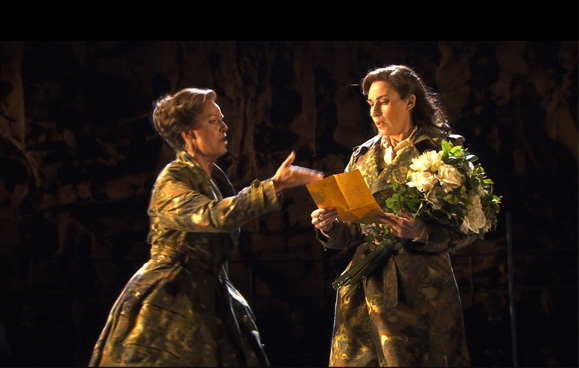
Gluck’s Alceste is not as well known as Orfeo ed Eurydice or the Iphigénie operas but in some ways it’s an even better example of what Gluck meant by “reform”. It’s simple, restrained and elegant. The plot has some similarities with Orfeo. The good king of Thessaly, Admète, is doomed to die unless someone else volunteers in his place. Naturally enough, this being opera, his wife Alceste volunteers. There is much dignified lamenting. She descends to Hades. Husband and wife reproach each other for their selfishness in being the one to die. Hercules shows up and, in gratitude for earlier hospitality, saves the day. There is (dignified) rejoicing. It;s an easy score to listen to with plenty of good tunes but no blockbuster, memorable, numbers.
 Continue reading →

 I wrote “2015” on a cheque today. Scary. Anyway, what’s on in Toronto as the new year dawns? Quite a lot as it happens. Here are my picks.

 operaramblings