
 Well the holidays are over and the music scene is coming back to life from its seasonal diet of musical plum pudding. There’s not a lot on this week but there is the first vocal concert of the year in the Richard Bradshaw Amphitheatre. Mezzo-soprano Marion Newman will be joined by Kathleen Kajioka (violin) and Adam Sherkin (piano)in a programme of Canadian works exploring First Nations themes. It includes Dustin Peters’ song cycle, Echo|Sap’a, which explores the journey of The Echo (or Sap’a in Kwakwala), a para-natural entity that mimics the sounds and movements she encounters throughout the woods and waters, as well as Kinanu, a lullaby composed by Newman for her baby sister. Noon, of course, and free.
Later on Thursday, at 9pm to be precise, there’s AtG’s first Opera Pub Night of the year featuring beer, singers and a Craig’s list piano. It’s at the Amsterdam Bicycle Club on the Esplanade and I strongly recommend arriving early.
 This review first appeared in the print edition of
  This review first appeared in the print edition of
  This review first appeared in the print edition of
 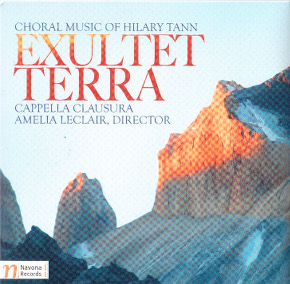 Exultet Terra is a disc of choral works (mostly) by Welsh-American composer Hilary Tann. The first half of the disc consists of shorter works for a cappella female chamber choir bookended by two pieces by Hildegard of Bingen in the latter of which the ladies are joined by the men of the choir. The second half of the disc consists of Exultet Terra; a five movement work for chamber choir, two bassoons, two oboes and cor Anglais.

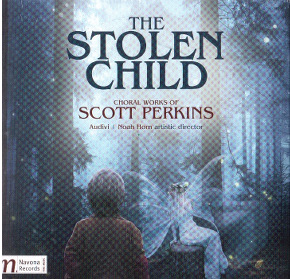 It’s not often that discs of contemporary a capella choral music come my way but that’s what The Stolen Child: Choral Works of Scott Perkins is. There are three works on the disc exploring the themes of loss of innocence, nature, magic, sleep and death. The first, The Stolen Child (2006), sets texts by WB Yeats, the second, A Word Out of the Sea (2003), is a Whitman setting and the final work, The World of Dream (2016), uses texts by WH Auden and Walter de la Mare. The first is set for tenor, baritone and choir, the second for tenor and choir and the last for choir alone though the sound world Perkins’ creates is such that the solo roles are more or less blended into the overall sound.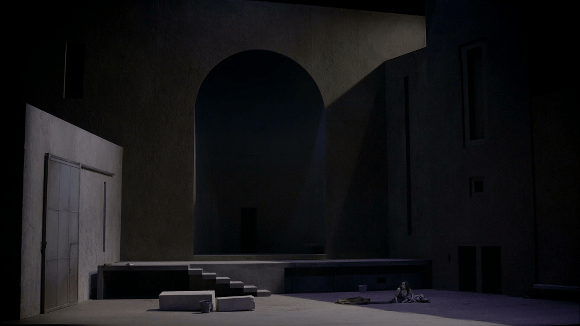
 It’s that time of year when it’s traditional to do best of the year lists. Fortunately this is all about music because in most other respects 2016 was a bit of a horror show. So here goes. As far as opera proper was concerned it was a pretty good year. There were no real howlers in the COC’s season. It was solid and, at its best, better than that, For me, Ariodante was the standout; an intelligent, thought provoking production backed up by extremely good acting and singing. I was really expecting to like the Claus Guth Marriage of Figaro more than I did. I enjoyed it but I was a bit perplexed by the lightening up that had taken place since Salzburg in 2006. Opera Atelier had their best show in quite a while with Lucio Silla but even Wallis Giunta couldn’t save a misconceived Dido and Aeneas.
 operaramblings