The Canadian Children’s Opera Company have announced their 50th anniversary season. The big news is that the main production will be a new piece by Alice Ping Yee Ho and Marjorie Chan (the team behind The Lesson of Da Ji). The new piece is called The Monkiest King and is based on the legendary (and comic book) character the Monkey King. Like the earlier work it will fuse western opera and traditional Chinese music techniques and instruments. It will play at the Lyric Theatre at the Toronto Centre for the Arts May 25-27 2018.
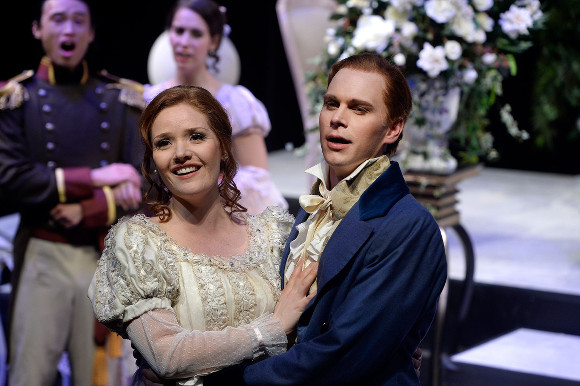
There is also going to be a celebratory concert hosted by Ben Heppner on October 26 2017 at the Four Seasons Centre. Besides performances by the current CCOC there will be appearances from Richard Margison, Krisztina Szabó, Simone Osborne and Andrew Haji and a choir of CCOC alumni.
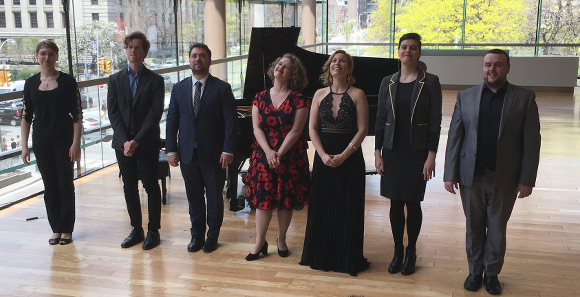
 Yes it is and here’s what’s coming up. Sadly Natalie Dessay’s Koerner gig tonight has been cancelled. Get well soon and please come back! Tomorrow at 8pm the TSO has a concert with Carla Huhtanen featuring Morawetz’ Carnival Overture, Boulez’ Le soleil des eaux and Rimsky-Korsakoff’s Scheherezade. On Sunday Lyndsay Promane has a recital at 3pm at Islington United Church with works by Dowland, Faure, Schubert, Vaughan Williams and Strauss. Admission is by donation
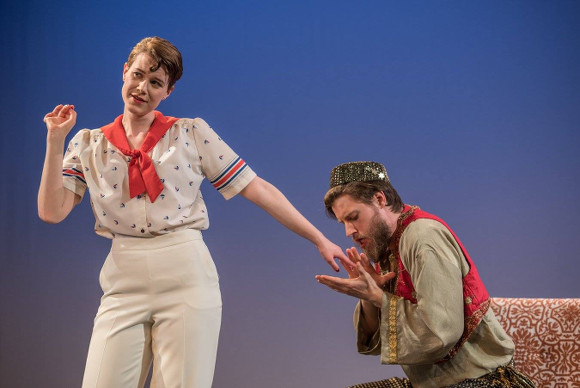
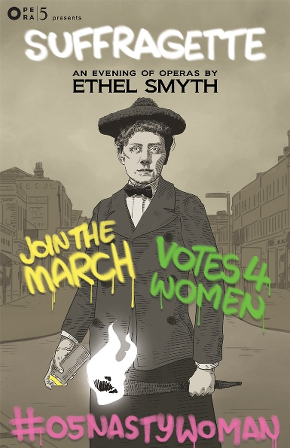 Details are now available for Opera 5’s double bill Suffragette featuring the works of Dame Ethel Smyth. The show will feature two works; Fête Galante, a rather grim “dance dream”, in a somewhat Stravinskian style, and the feminist opera The Boatswain’s Mate, which makes extensive use of folksong tunes. In her day Smythe tended to be written off by the critics for being too masculine so it will be interesting to see how the works have fared with time.