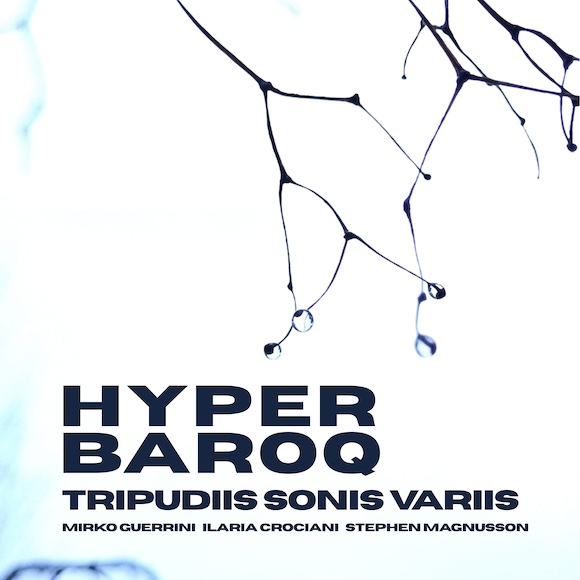
 I don’t often listen to CDs released on Australian jazz labels but I did come across tripudiis sonis variis from the Melbourne trio Hyperbaroq and was quite intrigued. It’s a set of performances of, mainly, Italian baroque music. Composers such as Monteverdi, Scarlatti and Strozzi feature but there are also a couple of earlier pieces in Latin and Galician and two English songs; one by Henry Purcell and a Robert Johnson setting of Ben Jonson.
This is not your typical HIP baroque performance. Hyperbaroq’s style is highly improvisatory and incorporates a lot of atypical instruments as well as pre-recorded electronics. The results are interesting but the dominant style seems to be a kind of cool jazz sound. This is very evident in their version of Scarlatti’s O Cessate Di Piagarmi; which features saxophone and electric guitar along with vocals. Some other tracks are rather different though. Monteverdi’s Lamento Della Ninfa gets a much more experimental feeling treatment with lots of electronics and the 13th century Galician Ay Ondas Que Eu Vim Veer makes interesting use of nature sounds and electronic effects. There’s also a weirdly boppy but rather enjoyable version of Purcell’s Music for a While. It’s pretty varied though I think I could have used more up tempo, high energy material as it mostly feels pretty relaxed.
Continue reading

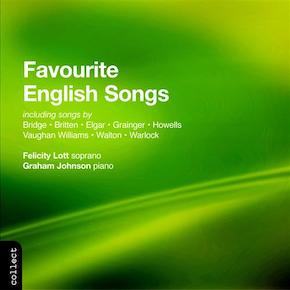 Browsing the back catalogue for fun stuff a few days ago I came across a record of English song featuring Dame Felicity Lott and pianist Graham Johnson. It’s called Favourite English Songs and was released in 2006 so. at the height of the singer’s interpretative powers and with the voice still in excellent shape. It’s an interesting mix of the very familiar; Vaughan Williams’ :High Noon” and some of the Britten folk song arrangements for example, and the less familiar with songs by Maude White, Cecil Gibbs and Gerald Tyrwhitt-Wilson among the composers I’ve never heard of.
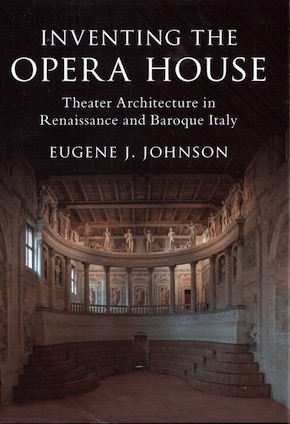 Inventing the Opera House: Theatre Architecture in Renaissance and Baroque Italy by Eugene J. Johnson is a scholarly but readable account of the prehistory and early history of the form we know today as an “opera house”. It’s fair to say that the road to the horseshoe shaped auditorium with ground floor seating and tiers of boxes looking over an orchestra pit to a deep stage was far from straightforward, perhaps even tortuous, and Professor Johnson lays out that journey in some detail.