
 Last night’s Soundstreams concert at Trinity St. Paul’s riffed off the basic idea of Bach’s Musical Offering; getting musicians to create music on a theme with a high improvisory element. The line up was the Gryphon Trio (Roman Borys, cello; James Parker, piano; Annalee Patipatanakoon, violin), SlowPitchSound (aka Cheldon Paterson); turntables, Dafnis Prieto; drum kit, Scott Good; trombone, conductor and Roberto Occhipiniti; bass. Things started out with SlowPitchSound remixing prerecorded fragments of the Musical Offering with live interventions by the trio. It was interesting and fun though whether it revealed “secret messages” I really couldn’t tell. The turntables reappeared between items in the rest of the program in very short fragments that seemed too cursory to have much to say.
Freddy’s Tune
Reply
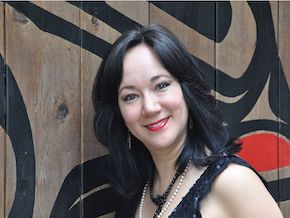 So it looks like January is finally over and that means we can look ahead to next month. Things are definitely winding down. There’s the last Opera Pub of the season on the 3rd at the Amsterdam Bicycle Club. The Vancouver Symphony is appearing with Bramwell Tovey at Roy Thomson Hall on the 26th with the highlight being Marion Newman singing Ancestral Voices; a piece Tovey wrote for her. Also that evening the Canadian Children’s Opera opens a two performance run of Alice Ping Yee Ho’s new piece The Monkiest King. That’s at the Toronto Centre for the Arts.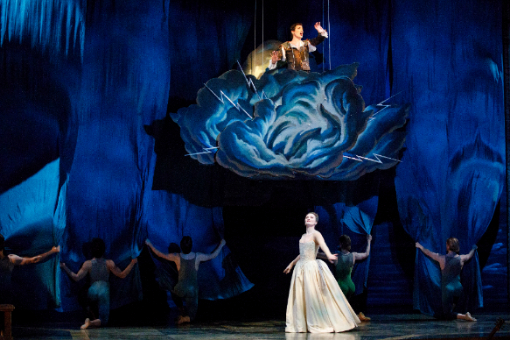


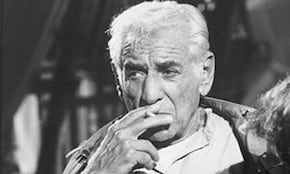 Last night the RCM celebrated the 100th anniversary of Leonard Bernstein’s birth with a suitably themed concert at Koerner Hall. The first half consisted of a performance of all the Anniversaries. These are short piano pieces; only a minute or two long, that Bernstein composed late at night. Each is dedicated to a friend or family member and many were reused later in longer works. There are somewhere between 20 and 30 of them and last night they were played in sets of three, four or five with introductions before each set by the composer’s eldest daughter Jamie complete with photos etc. The playing by Sebastian Knauer was idiomatic, virtuosic and sensitive. The introductions were informative, engaging and mercifully short. The music covered a vast range of moods and styles though all of it very Bernstein; that is to say tonal and obviously American. I was particularly struck by the brooding piece he wrote for his younger daughter some years after the death of her mother and by the earlier piece, dedicated to his wife Felicia Montealegre, that had Copland all over it and was none the worse for that. It was actually a rather brilliant way to showcase the man in a 45 minute or so concert segment.

