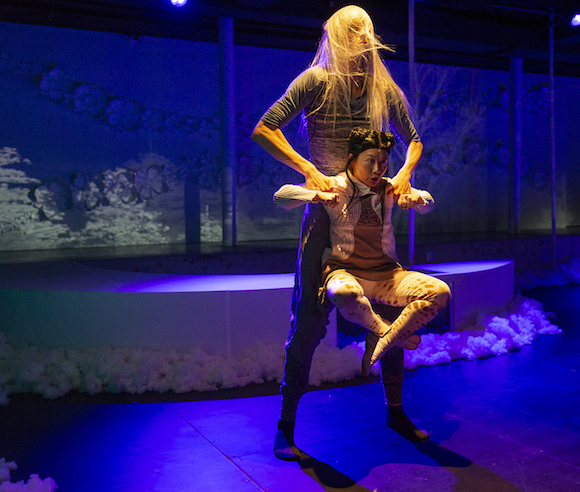
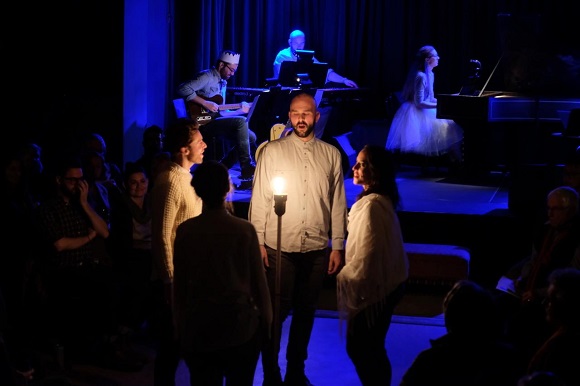
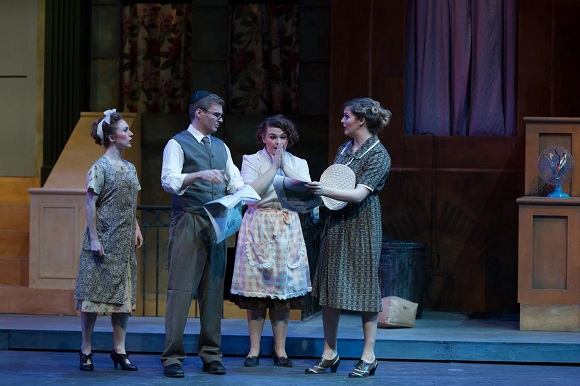
Toronto City Opera has been around for a while but its previous performance location at the Bickford Centre was quite sufficient to keep me away. The Miles Nadal JCC is quite another matter. The basic idea of TCO is that the chorus is open to, essentially, anybody and that their subscriptions, plus fund raising, allow the company to do a couple of staged shows each year with young professional soloists, director, conductor and pianist. So, in theory it’s a chorus centric endeavour so the choice of Le Nozze di Figaro seems a bit odd since it has less than ten minutes of chorus and that is usually covered by a small group of eight or so ladies. That said, Nozze is their first of two productions this season and I saw the last show in the run this afternoon.
Nozze at Toronto City Opera
6

 Slightly off the usual Operaramblings track perhaps, but my attention was recently drawn to a book publishing project that may be of interest. It’s a bilingual Latin/English text of the Mozart Requiem illustrated by artist Matt Hughes in art nouveau style. It’s going to be a 60pp edition with 15 full colour illustrations including gold ink. It’s hard cover bound with the edition size yet to be finalized but quite small. Right now it’s at the Kickstarter phase with a still a little way to go to meet target and allow publication. The book will include an introduction to the piece and the various stories/legends about its completion by the Guardian‘s music critic Erica Jeal and an essay on art nouveau by art blogger and gallery owner Olga Harmsen. There are more details and samples of the art work on Matt’s
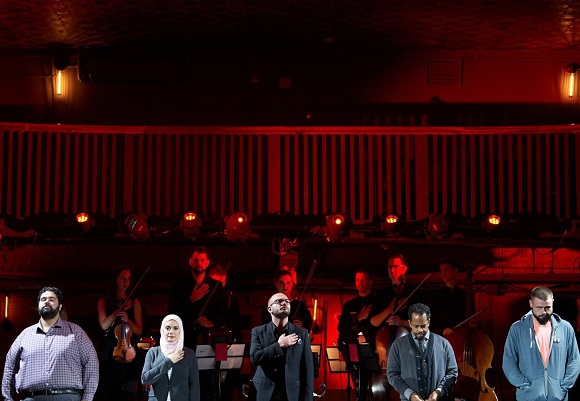
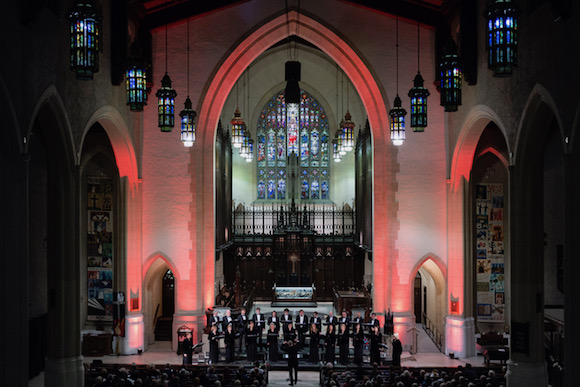
 So one thing can be guaranteed in December; lots of Messiah. This year I have four on the radar. There’s the TSO of course. This year Johannes Debus conducts with soloists Claire de Sévigné, Allyson McHardy, Andrew Haji and Tyler Duncan. One might almost have expected the COC Chorus but actually it’s the Toronto Mendelssohn Choir in the loft. That one runs December 18th, 19th, 21st and 22nd at 8pm and the 23rd at 3pm. Roy Thomson Hall of course. Over at Tafelmusik, it’s Ivars Taurins with Sherezade Panthaki, Krisztina Szabó, Charles Daniels and Drew Santini plus, of course, the Tafelmusik Chamber Choir. That’s on December 18th, 19th, 20th and 21st at Koerner Hall at 7.30pm. The Sing-a-Long version is at Roy Thomson Hall at 2pm on the 22nd. There’s also a workshop on the 8th at 2pm at Eglinton St. George’s United Church.