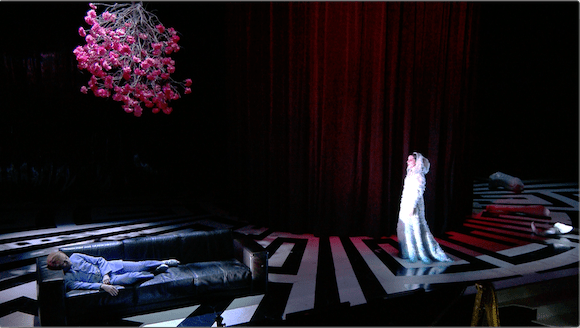
The Dora winners were announced last night. I don’t think there were any big surprises in the opera category. The COC’s Rusalka scooped most awards with four including Outstanding Production. The other three were Outstanding Direction (David McVicar), Outstanding Musical Direction (Johannes Debus) and Outstanding Achievement in Design (Lighting) (David Finn). It was probably the best thing overall the COC has done in a long time so not shocked.
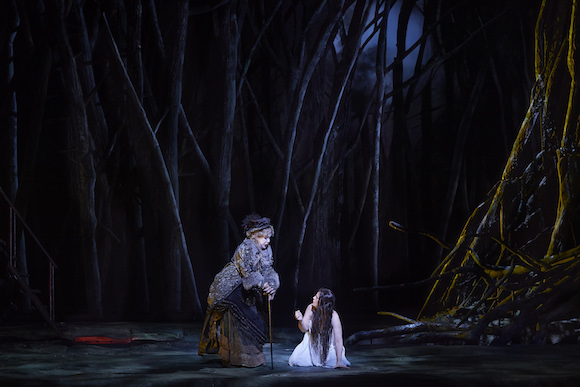
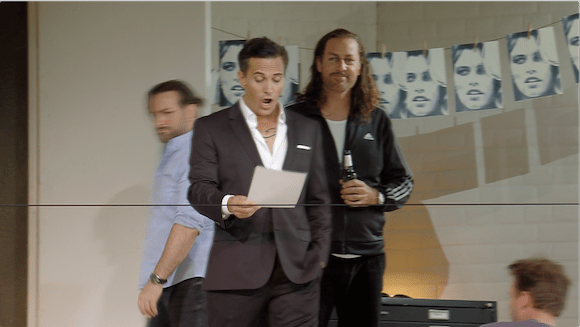
Yvette Nolan and Dean Burry won the Outstanding New Opera category for Shanawdithit. I’m delighted about this one as I had rather more personal emotional investment in this project than most things I see and it was an important project in so many ways. Marnie Breckenridge received the Dora for Outstanding Performance by an Individual for her performance in Jacqueline. Also well deserved and a wee but surprising as there was every reason to give this one to Sondra Radvanovsky and usually that kind of name recognition wins out. In any event two big wins for Tapestry (and a nod to Opera on the Avalon for being a smaller regional company prepared to invest in something relevant).
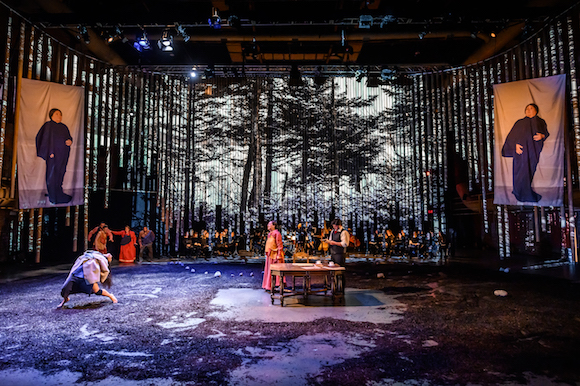
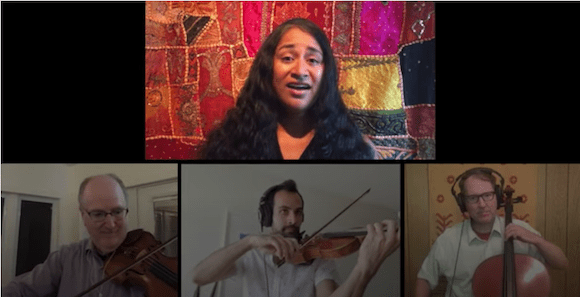
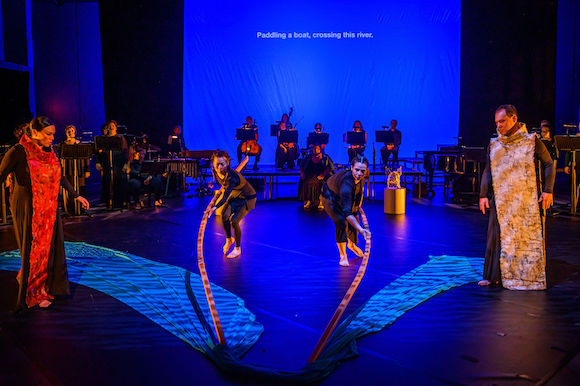
Finally, Soundstreams presentation of Two Odysseys: Pimooteewin / Gállábártnit won Outstanding Performance by an Ensemble. In this case Nicole Joy-Fraser, Karen
Weigold, Vania Chan, Deantha Edmunds, Jennifer Taverner, Rebecca Cuddy, Bó Bárdos, Michelle Lafferty, Jonathan MacArthur, Mitchell Pady, Evan Korbut, Bryan Martin and Neil Aronof. This was another fascinating show that deserved some recognition.
So, yes, the eight hundred pound gorilla came out on top but hardly by a knock out.

 Toronto Summer Music have announced their revised “virtual” schedule. Alas most of the vocal music is gone but there is plenty of interesting looking chamber music with, of course, a Beethoven focus. It runs July 16th to August 1st and it’s all free. The full schedule is here.
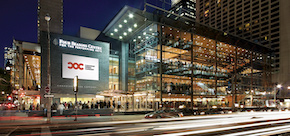 Pretty major announcements from both the COC and the TSO recently; the COC’s reinforced with an on-line Q&A with Alexander Neef last night. The substance of the COC announcement is that the fall season (Parsifal and Marriage of Figaro) is cancelled along with all other in-person performances for the rest of 2020. Parsifal has been rescheduled for the fall season 2022. At this point the rest of the 2020/21 season is still on. Officially at least. However Alexander made it pretty clear that the Four Seasons Centre won’t be reopened until they can sell at least the bulk of the seats which would mean the end of social distancing. I don’t see that happening until a Covid-19 vaccine is generally available and can’t imagine that being soon enough to save the winter season and maybe not the spring season either. Meanwhile the COC is looking at its virtual options.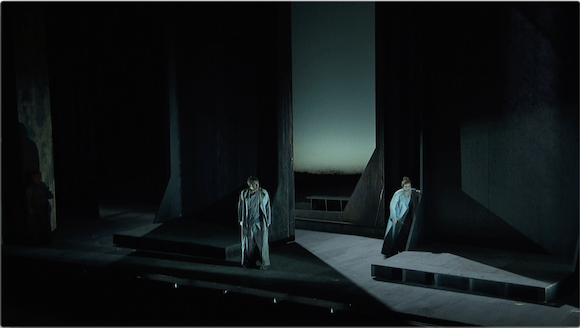
 Cantilena is a CD of art songs by various composers arranged for soprano, harp and cello. It’s an interesting twist on music that one is likely to be fairly (sometimes very) familiar with in the usual voice and piano format. It’s a generous disk with nineteen songs in all. The composers featured are Debussy, Duparc, Fauré, Massenet, Tosti, Tedeschi, Richard Strauss, Gregory and Villa-Lobos. The performers are soprano Gillian Zammit, harpist Britt Arend and cellist Frank Camilleri. Arend and Camilleri are principals with the Malta Philharmonic Orchestra.