
Richard Strauss’ Elektra opened last night in a revised version of James Robinson’s 2007 production. The setting is fairly straightforward and a bit drab; vaguely Victorian, or perhaps Gormenghast, which seems about right for the hagridden House of Atreus. The stage is severely raked; back to front. and stage left to right. There are a couple of walls with entrances. There’s a strange little hut which, it turns out, forms a sort of trap door to the palace. Costumes are either shapeless (ladies) or vaguely reminiscent of evening wear (gentlemen). In this setting the action plays out convincingly enough with even difficult scenes like Elektra’s “death dance” well handled. The tricky scenes between Elektra and Klytämnestra and Elektra and Orest have the appropriate degree of tension and suspense.


 Toronto Operetta Theatre have released preliminary information on their 2018/19 season. There are three main stage productions at the Jane Mallett Theatre. First up is Die Fledermaus by Johann Strauss which runs December 28th, 2018 to January 2nd, 2019. There’s been no shortage of Fledermice in Toronto in recent years with Christopher Alden, Aria Umezawa and Joel Ivany all contributing quite individual productions. I imagine Guillermo Silva-Marin’s treatment will likely be designed to appeal more to the traditionalists!
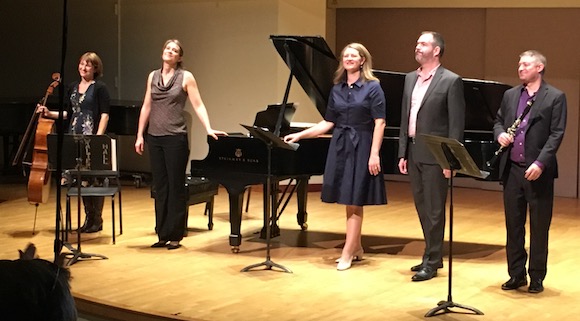
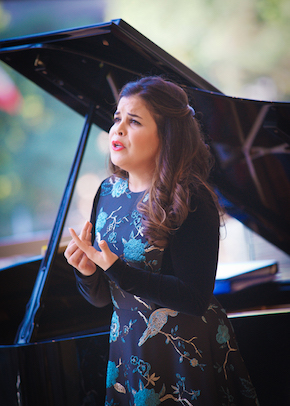 Yesterday’s free lunchtime concert should have been the first opportunity to see Simone Osborne and Gordon Bintner in recital together but, sadly, Gordon had the lurgy so, if you want to see them perform together you will just have to go and see L’elisir d’amore at the COC. Fortunately Andrew Haji was able to jump in at short notice. Not such a bad guy to have on the bench!

 operaramblings