A few things from the in box that might interest readers:
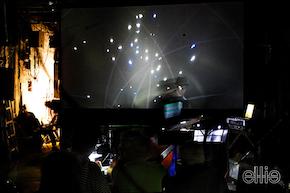 So what do you get when you mash up contemporary classical music, experimental electronic music, staging, art installations and other stuff? That’s what FAWN’s Convergence Theory concerts are about. There’s one at Victory Social Club on January 25th. Details are here. To quote Artistic Director Amanda Smith “As much as Convergence Theory is about exposing more people to new, Canadian classical music, it is also my intention for classical audiences to be introduced to the exciting and plentiful artists of Toronto’s underground experimental electronic music scene. This way we can celebrate the parallels, as well as the individualities of both genres.”
Continue reading →


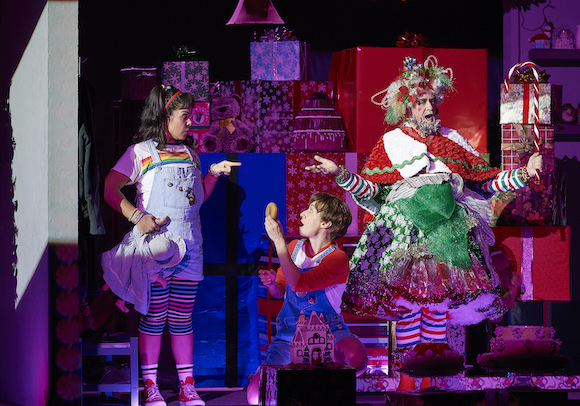

 The COC unveils its 2020/2021 season next Monday so, as in previous years I took a go at predicting what it might look like. This year operaramblings has abandoned traditional predictive methods such as animal sacrifice and hallucinogenic drugs in favour of handing all the data over to Cambridge Analytica. That didn’t work too well as they predicted a new opera based on Brexit and Putin being elected President of the USA. So it was back to the methodology we data scientists call “small data” where basically we make stuff up based on far too few data points. Here’s what emerged.
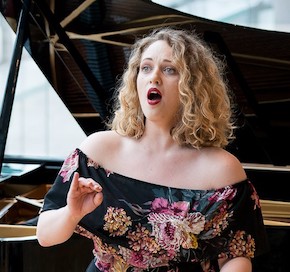 February always seems to be a busy month and the first half is shaping up that way. Things kick off on the 1st with the Sellars staging of di Lassus’ Lagrime di San Pietro at Koerner. On the 3rd Danika Lorèn is curating a concert at Heliconian for UoT Music. It’s called A Few Figs from Thistles, it’s at 7.30pm and it’s free. We are promised new songs by Danika based on poems by Edna St. Vincent Millay, Tekahionwake (E. Pauline Johnson) and Lorna Crozier.
 The second half of January kicks off with the COC’s
  The COC had a decent year but two of their shows stood out for me. David McVicar’s production of
  operaramblings