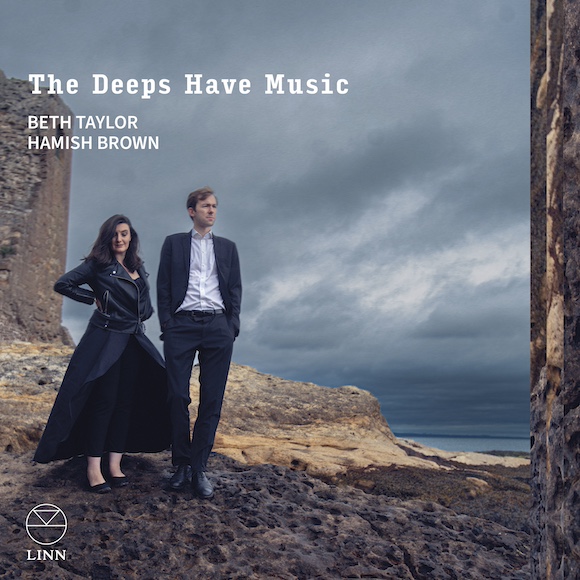
 The Deeps Have Music is a new record from mezzo Beth Taylor; a Cardiff Singer of the World finalist in 2023, and pianist Hamish Brown. It’s distinctly sea themed with songs predominantly in English with a few French and German numbers for variety.
It starts off with Hamilton Harty’s arrangement of My Lagan Love which is a rather lovely introduction to Taylor’s flexible but generally fairly dark mezzo. She is very versatile though as the next set; Hedwige Chretien’s Petits Poèmes du bord de L’Eau, demonstrates. These six short songs show that Taylor has a considerable palette of colours and moods. There’s some nice precise piano playing from Brown here too.
Continue reading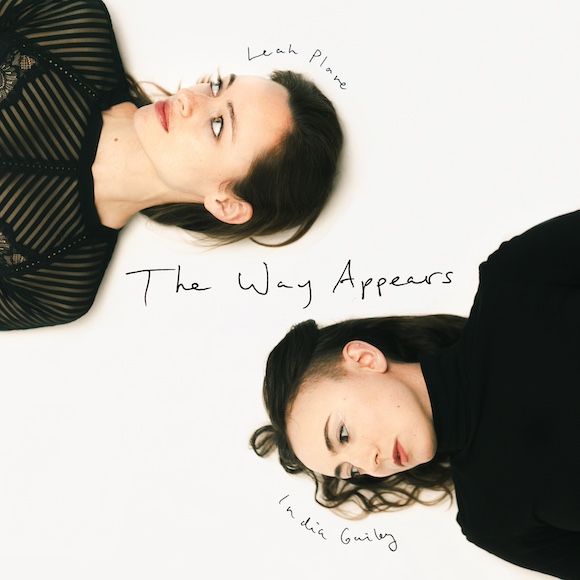 The Way Appears is a CD by cellist duo Leah Plave and India Gailey. It consists of seven commissioned pieces by young(ish) Canadian composers who were asked to create pieces in which the two instruments function as equal partners rather than, say, as soloist and continuo. It’s a really varied and interesting collection providing a little over forty minutes of music.
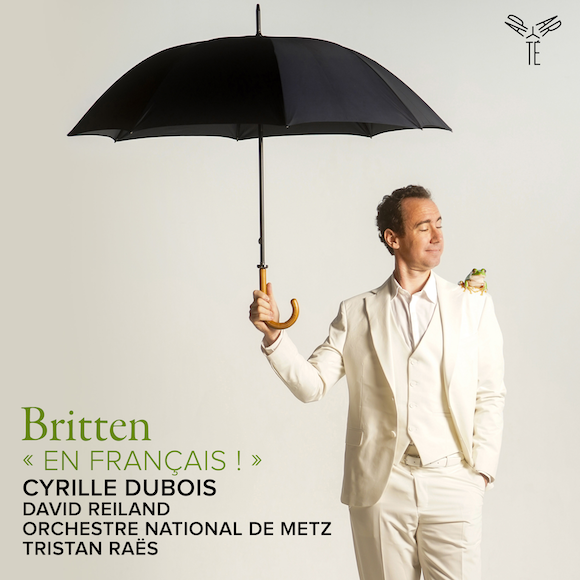 French tenor Cyrille Dubois has collected some of the better known Britten works “en français” for this recording. One normally hears these works performed by English singers in what is pretty much an “official” Britten style so I was intrigued to hear them interpreted by a native French speaker, albeit one with a track record of performing Britten’s operas, song cycles and choral works!
 Lili Elbe; music by Tobias Picker, libretto by Aryeh Lev Stollman, is an opera set in the late 1920s. The essence of the plot is the surgical transitioning from male to female of the Danish painter Einar Wegener to become Lili Elbe. It’s the first instance historically of such a transition and it deals, inter alia, with issues of identity and acceptance that still resonate today.
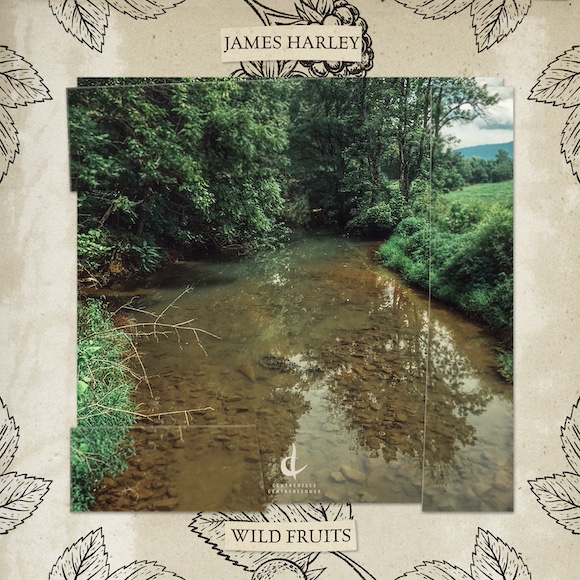 James Harley’s Wild Fruits was inspired by two texts; Pilgrim at Tinker Creek by Annie Dillard and Wild Fruits by Henry David Thoreau. The five movements all involve combining extracts from the texts read by Jim Bartruff, Theresa Carson and Anne-Marie Donovan with sounds recorded in nature and, in some cases, worked over in the studio. It was originally conceived as an eight channel surround sound experience but the commercial release has been remixed for stereo and Dolby ATMOS. Obviously some of the spatialization is lost and I’d be curious to hear the ATMOS mix. As it is I’m going to write about the 48kHz/24bit stereo version which I listened to on headphones because I find that’s closer to the immersive experience than speakers.
 There are three late works by Kaija Saariaho on the disk. Indeed I think the orchestration of the Saarikoski Songs is pretty much the last music she wrote. Those songs are settings of rather depressing texts about environmental destruction by Finnish poet Pentti Saarikoski and were written originally for voice and piano between 2013 and 2020; an orchestral version being created in 2020/1. There are five songs. “LLuonnon kasvot” (The Face of Nature) is the story of the destruction of ancient forests told by the voices of extinct birds. There’s a lot of high vocalise; almost screaming with quite dramatic orchestration. “Jokaisella on tämänsä” (Everyone will have their own this) depicts a society where everyone holds to their own truth. It’s dramatic, high and, again, almost screaming against shimmering orchestration. “Kaikki tämä” (All of this) – is a brooding and much more lyrical piece offering some hope amid environmental destruction. “Lintu ja käärme” (Snake and bird) is pretty weird with declamatory vocals over an orchestra hammering on A. “Sumun läpi” (Through the Mist) has interstitial time petrifying into mountains of mist. There’s a long brooding orchestral introduction prefacing a lyrical vocal line. The last two songs were composed during COVID and seem to reflect the spirit of the times. The performance is by Anu Komsi (soprano) with the BBC Symphony Orchestra conducted by Sakari Aramo and it’s a live recording.
 Being distinctly impressed by
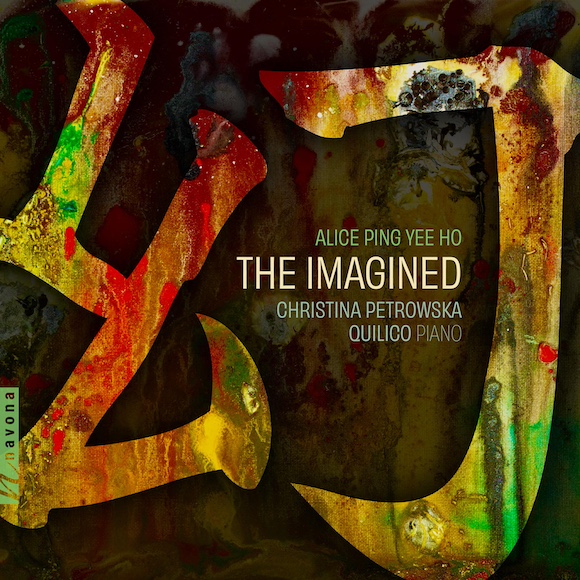 The Imagined is a new album of piano music by Alice Ping Yee Ho played by Christina Petrowska Quilico. There are four works. The first is Pictures from an Imagined Exhibitiion which riffs off pictures by Hong Kong ink master Wesley Tongson and Christina Petrowska Quilico herself. There are four movements. “Free Strokes” is kind of minimalist with arpeggios and repeated figures. It sounds weird to say it but it sounds “watery”. “Distant Drums” is similar in some ways but faster and with some much darker passages. “Mystical Mountains” by contrast is slower and darker with a kind of doom-laden quality. Finally “Dancing Colours” is bright and playful with, I think, some modal elements. It’s all quite virtuosic with occasional distinctly “non-western” touches.
 The death last week of Dame Felicity Lott had me thinking about English singers of that generation who featured a lot in the first live opera and recordings that I experienced back in the 1970s. A bit of digging around led me to a 1993 recording of Britten’s The Turn of the Screw with Philip Langridge (who died in 2010) as Quint and Felicity Lott (not yet a Dame) as the Governess. It also, perhaps surprisingly, features American Wagnerian Nadine Secunde as Miss Jessel. Less surprisingly, it was recorded in Aldeburgh with Steuart Bedford conducting.