
Paolo Santalucia’s first production as Artistic Director of Soulpepper is a pretty bold choice. It’s Frank Wedekind’s 1891 drama Spring Awakening (Frühlings Erwachen) and it’s presented in English in Santalucia’s adaptation; not in the form of the Broadway musical adaptation which is probably better known in the anglosphere.
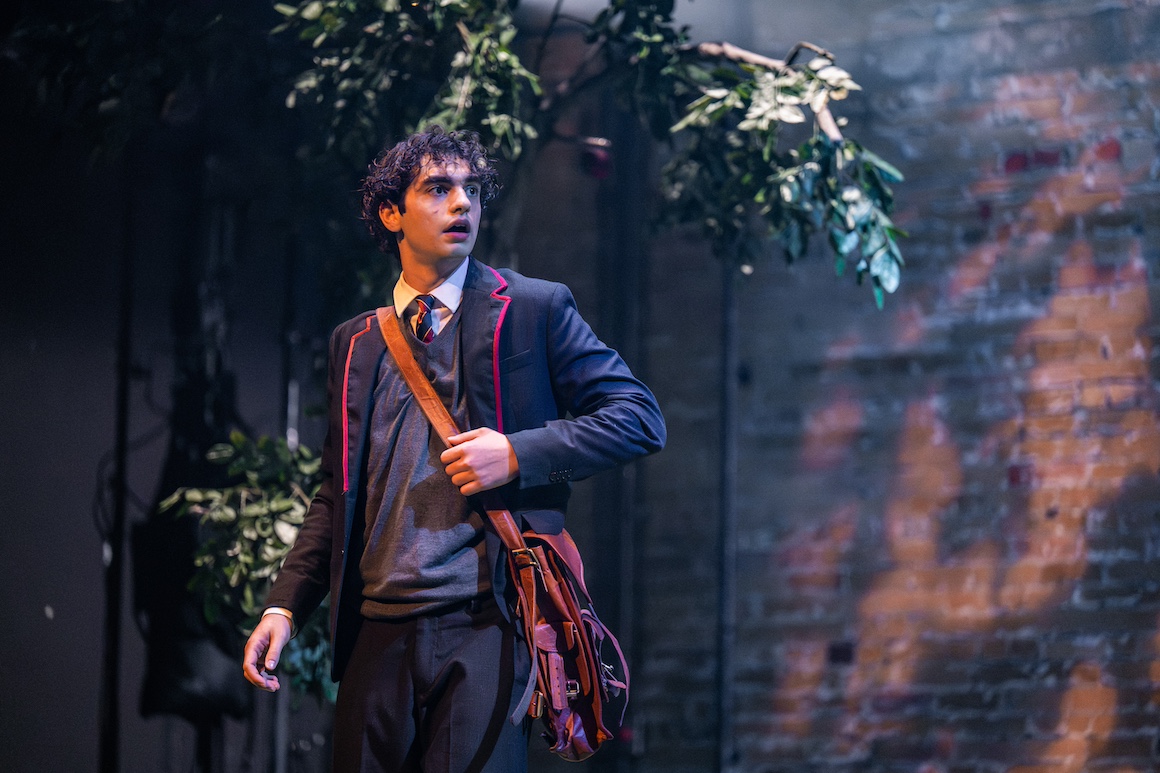
I approached the play with some trepidation. It features rape, child abuse, suicide, sadism and a botched abortion among other themes and it’s three hours long so I wasn’t expecting a fun evening at the theatre. Perhaps even more uncomfortable philosophically it’s about how young people were moulded to be model provincial Germans by essentially totalitarian methods. What’s remarkable about this version is that, while it doesn’t shy away from the grimmer elements of the plot, it finds hope and even joy and humour. The kids will survive; at least those who do survive.
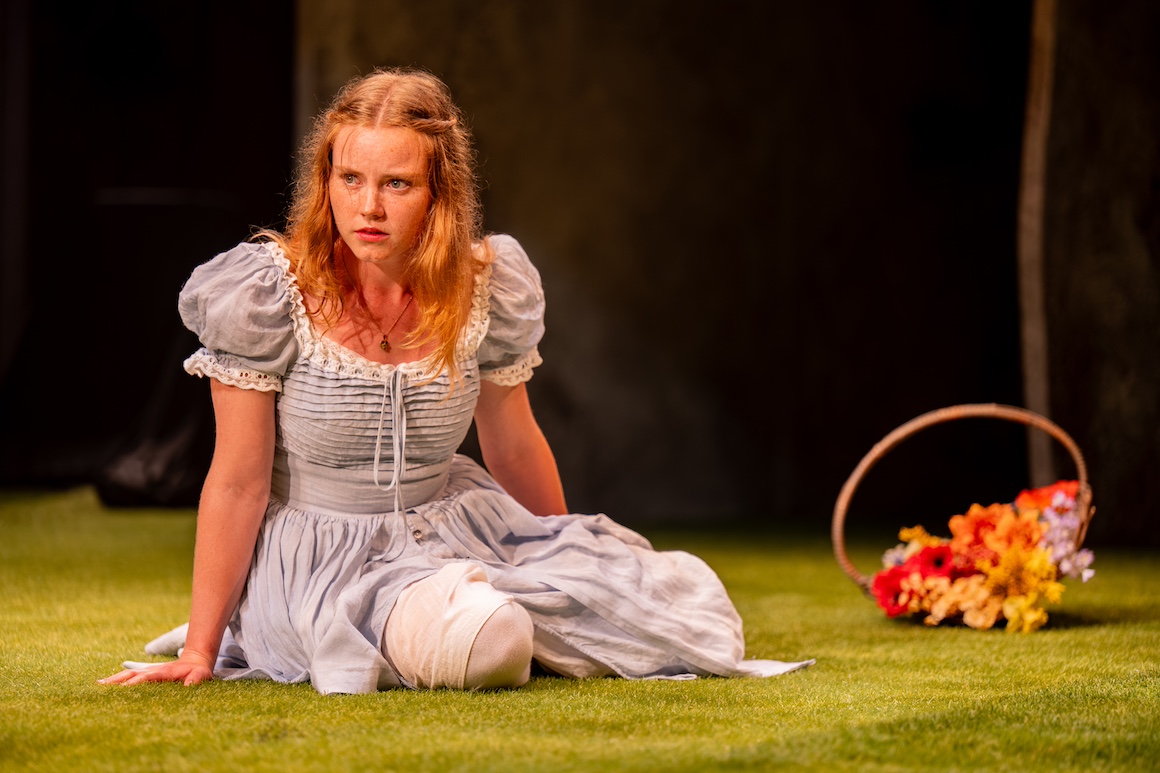
At the core of the play is a trio of young people. There’s rebellious, atheist, sexually aware and very bright Melchior Gabor (Jake Bunyan) who has learnt to survive in the repressive, violent, exam driven school system (1). There’s his pal Moritz Stiefel (Jake Cohen) who is on the brink of academic failure and troubled by puberty but sexually naive. And, finally, Melchior’s love interest Wandla Bergman (Olivia Neary-Hatton); a vivacious and pretty fifteen year old who is kept in complete ignorance of matters sexual with tragic results. All three actors do a superb job of portraying their characters which, given their inexperience, does credit to them, to Santalucia and to the more experienced actors around them.
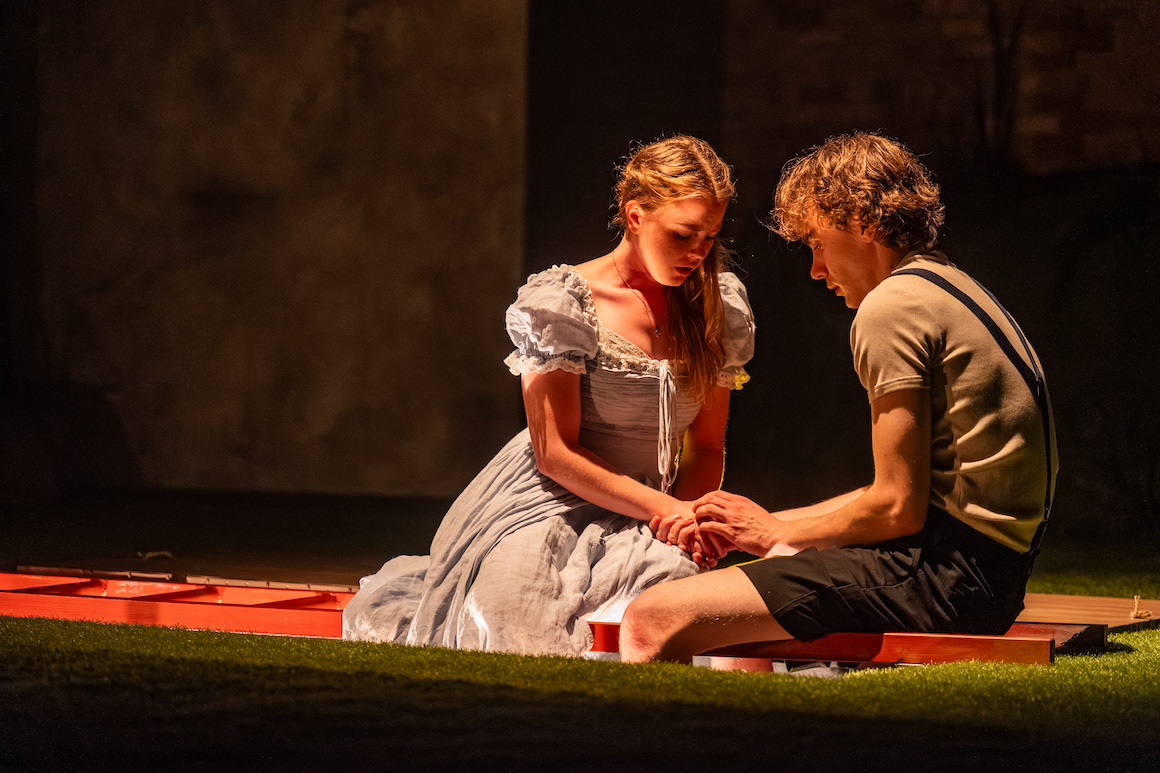
The pivotal incidents of the play are all true to its spirit but depart significantly in detail. When Melchior beats Wandla he doesn’t lose his temper or use his fists. It’s much more like he is indulging her. The rape is somewhat ambiguous. It can’t be termed “consensual” because Wandla has no idea what’s going on but there’s no violence. Melchior’s trial and transfer to a reformatory only involves his parents indirectly and is staged with just him, the sadistic schoolmaster Knockenbrûch (Diego Matamoros) and the equally unpleasant headmaster (Daren A. Herbert) on stage. The mysterious figure in the final scene is neither a masked man (as in the original) or a gravedigger (as in the National theatre version) but Ilse (Anaka Maharaj-Sandhu), the girl who has run off to the city to be an “artist’s model”. These changes largely serve to lighten the mood; especially the last, which suggests there is yet a future for Melchior.
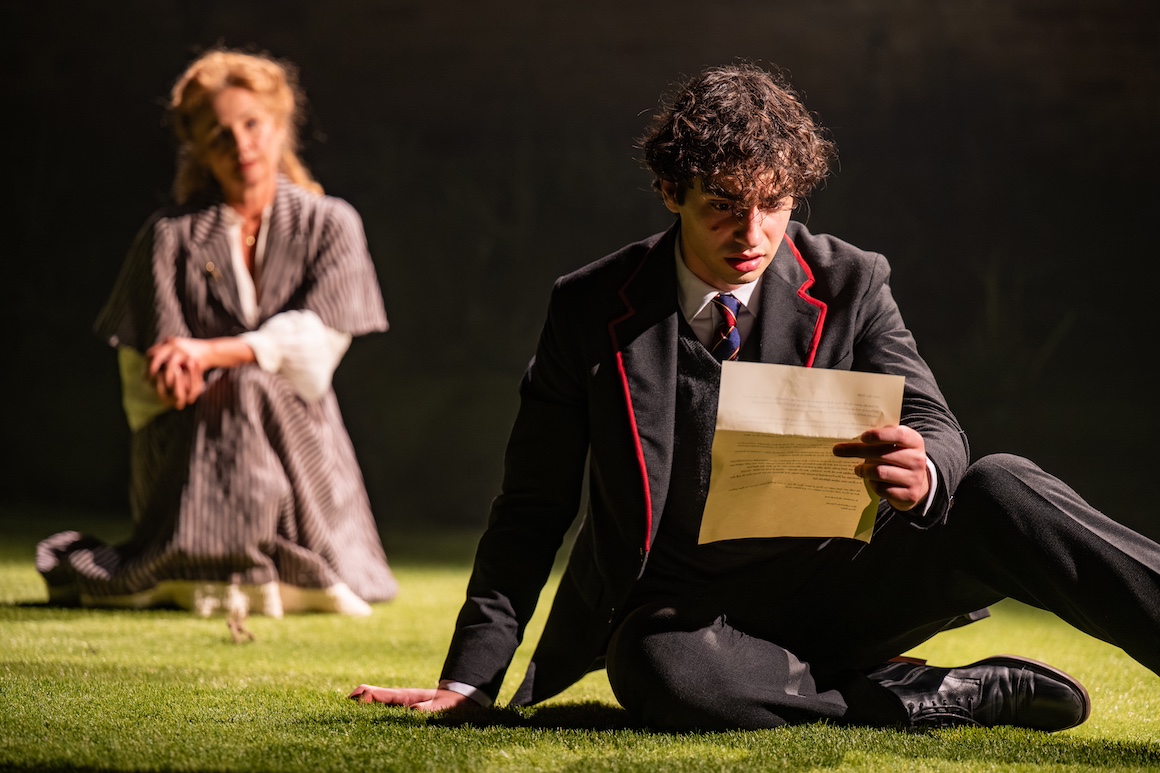
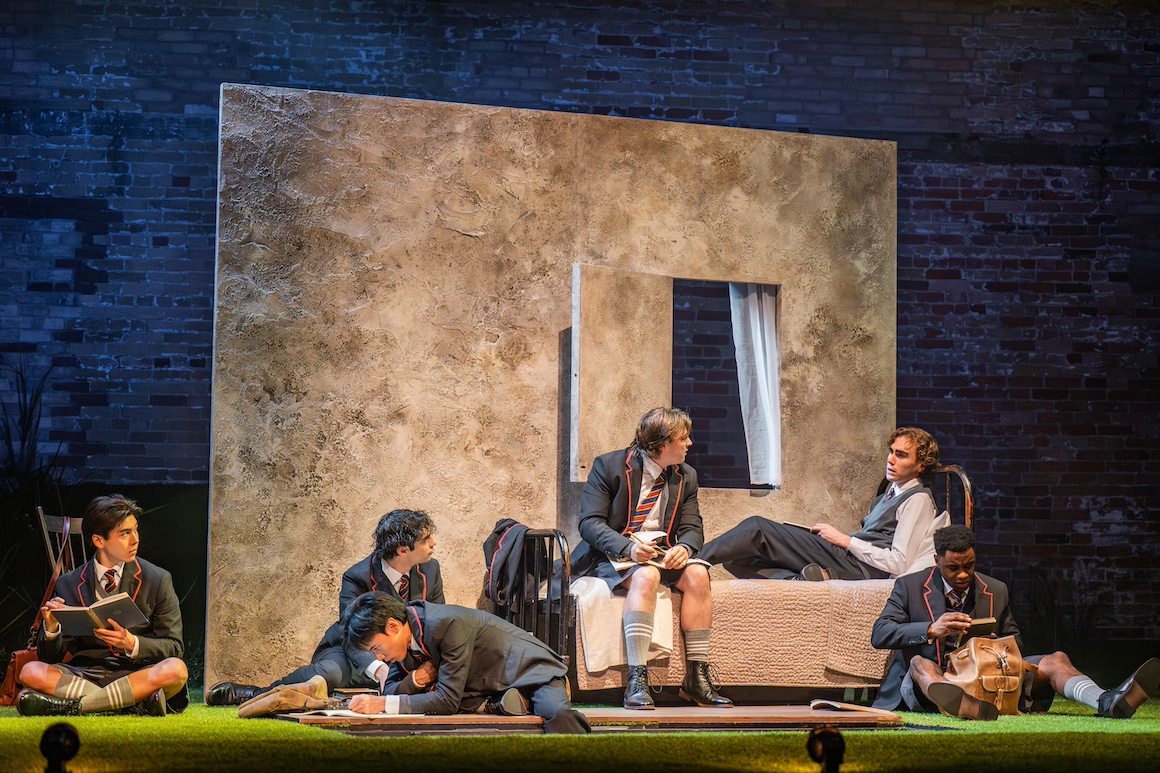
The other things that serve to make this very watchable are the vivacity of the other young people; the other schoolboys Hansy (Noah Beemer), Robert (EJ Candelaria), Ernst (Justin Eddy), George (Eric Miracle) and Otto (Mackenzie Wojcik) and Wandla’s girlfriends Martha (Jasmine Case) and Thea (Raylene Harewood). It’s often very physical with people running around all over the place and lots of laughter. Very teenage in fact. The other interesting contrast is the mothers. Frau Gabor (Rachel Duffy) is kind and liberal and does her best to make, especially, Moritz’ life more tolerable while Frau Bergman (Lilsa Repo-Martell) seems quite unable to cope with burgeoning sexuality of her teenage daughter; despite having another, married daughter and three grandsons. Several actors double up on minor roles like the boys in the reformatory and a whole raft of characters are cut altogether; probably to advantage.
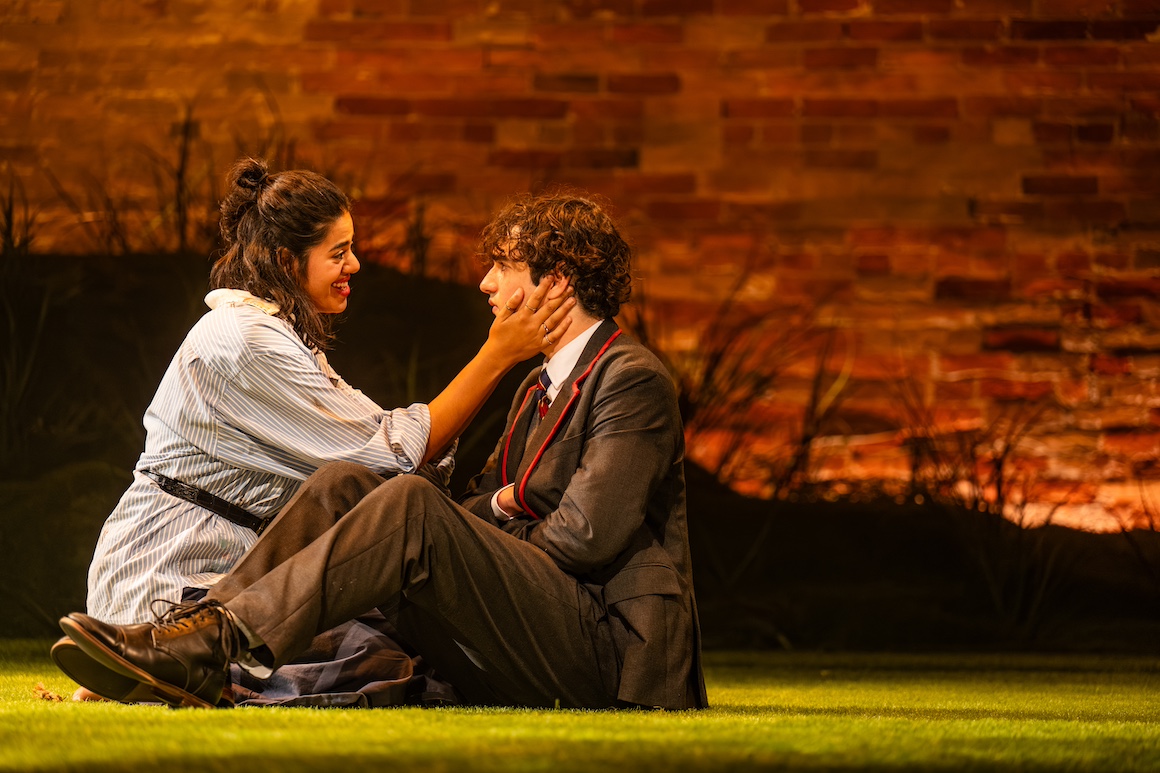
The energy of the production is enhanced by the very clever set (Shannon Lea Doyle) which reconfigures seamlessly to provide a variety of spaces from a bedroom to a graveyard. There’s also some very effective sound (Thomas Ryder Payne) and lighting (Kevin Lamotte) design which is particularly atmospheric in the events which close each act. Ming Wong’s costumes are just period enough and she creates one of the best animated corpses I’ve ever seen for the last scene where Moritz confronts Melchior in the churchyard.
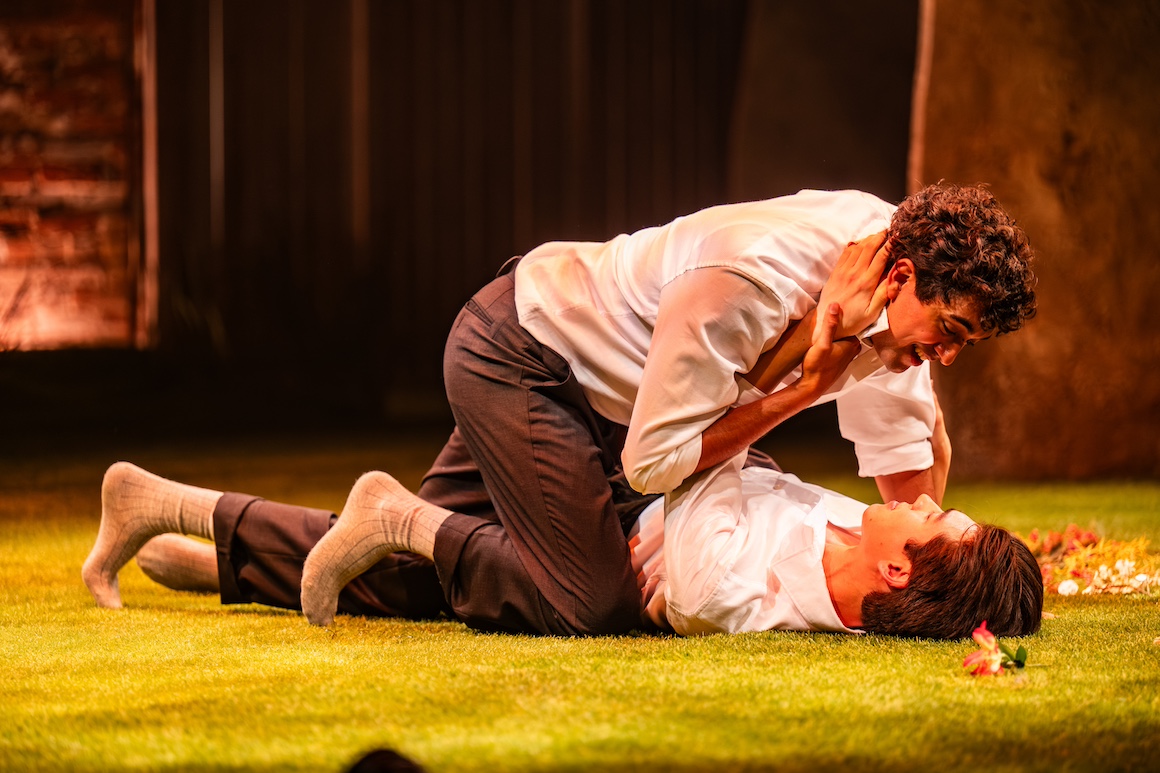
I think staging Spring Awakening is a bold gamble but it comes off. The adaptation and direction are on point, the young actors excel and get excellent support from their elders and the production values are very high indeed. It’s a German 19th century classic updated just enough to make it accessible to today’s audience without losing it’s bite. It’s a great start to Santalucia’s tenure at Soulpepper.
Spring Awakening runs in the Bailie Theatre at the Young Centre until October 18th but they have already announced a couple of extensions so that may change!
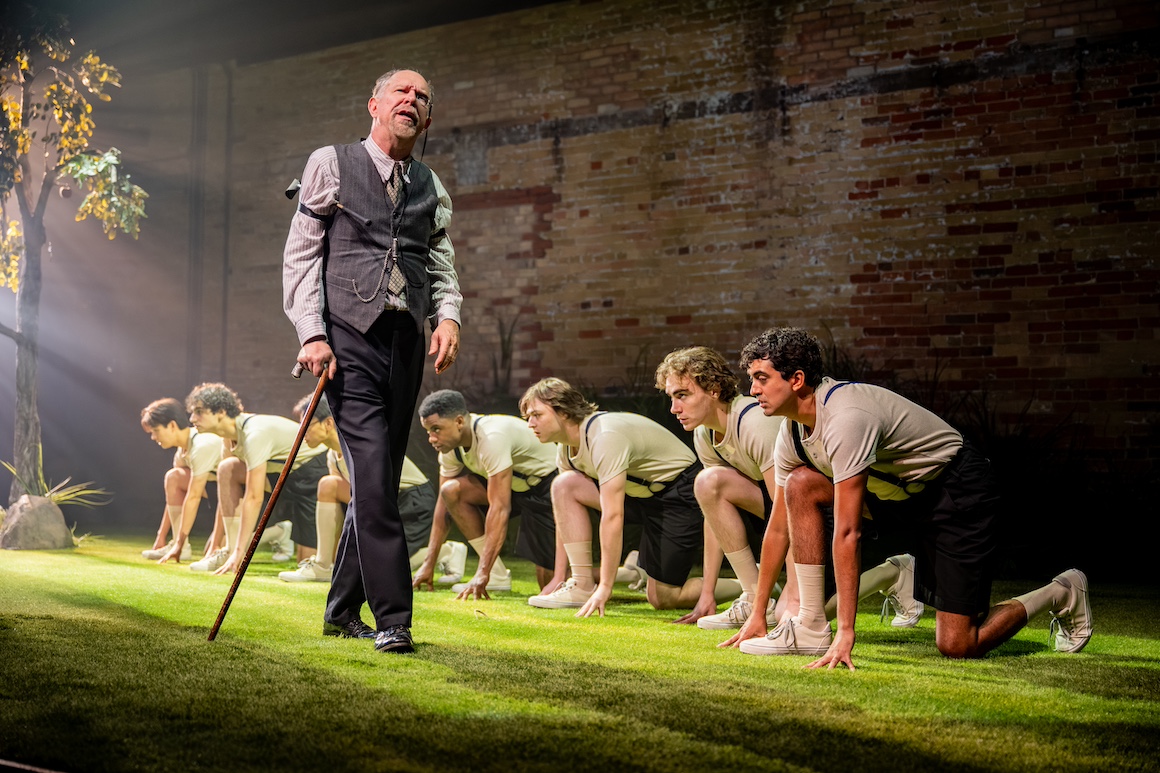
Photo credits: Dahlia Katz
fn1: I may be identifying too closely here. Parallels with my own experience as a scholarship boy at an English public school in the 1960/70s weren’t quite as violent but there are similarities.

