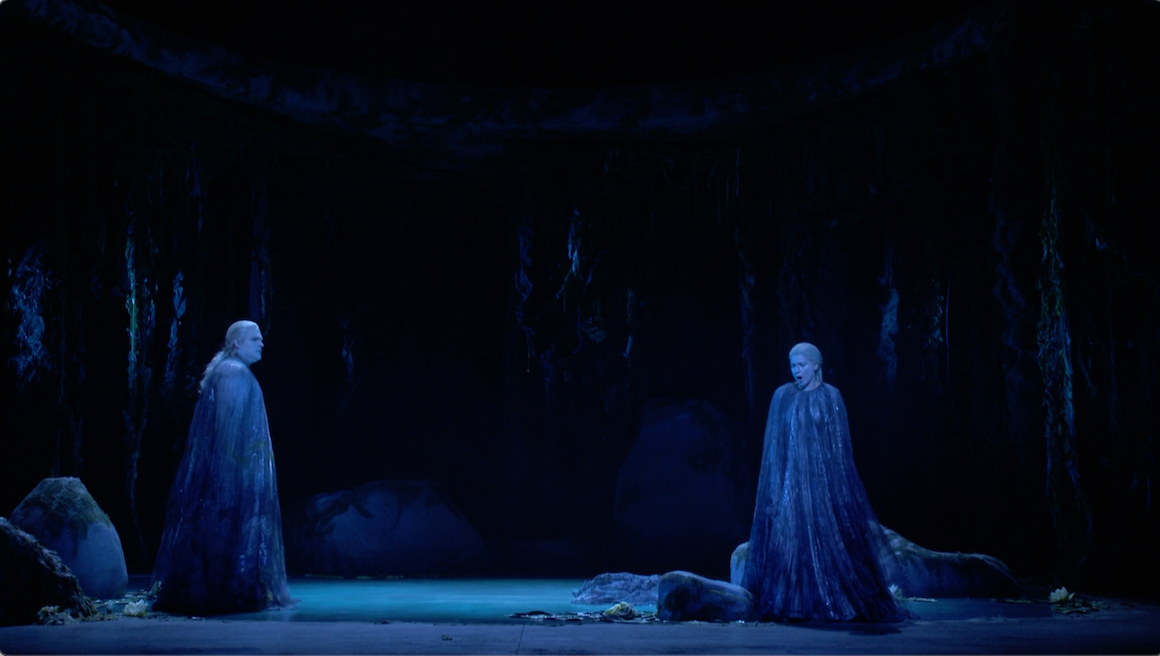
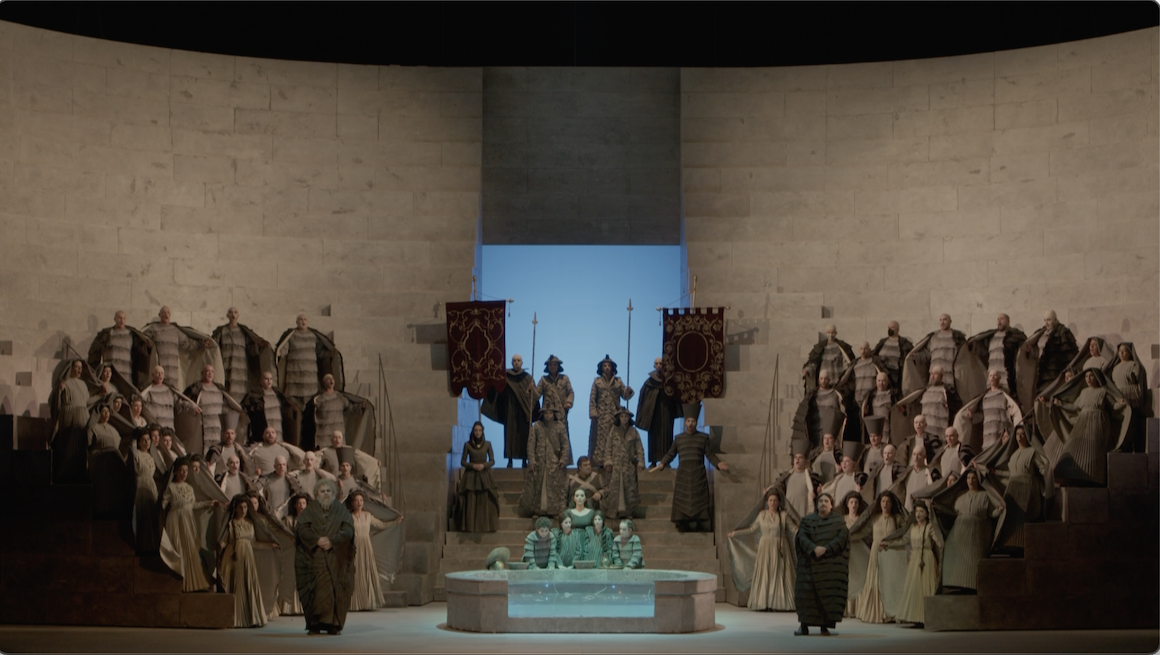
Echoes of Bi-Sotoon is a new opera by Cultureland Opera Collective. It’s in nine scenes based on the legends and the iconography of the Bi-Sotoon mountain; an important cultural site and transportation route in Khermanshah province in present day Iran. It includes music by seven BIPOC composers[1] co-ordinated by artistic director Afarin Mansouri. It premiered at Arrayspace on Thursday evening.

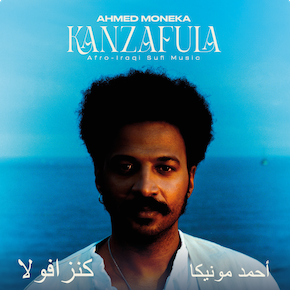 What I’m going to do here is use a review of a new CD by Toronto based musician/actor Ahmed Moneka as a means to explore some ideas about listening to music. But first the CD itself. It’s called Kanzafula and it contains nine tracks rooted in an unusual musical tradition; that of the Afro/Iraqi Sufis of Basra. These are descendants of people originally from the East coast of Africa who wound up in Basra in the 8th century CE and have maintained a rich musical tradition combining Arabic and African influences.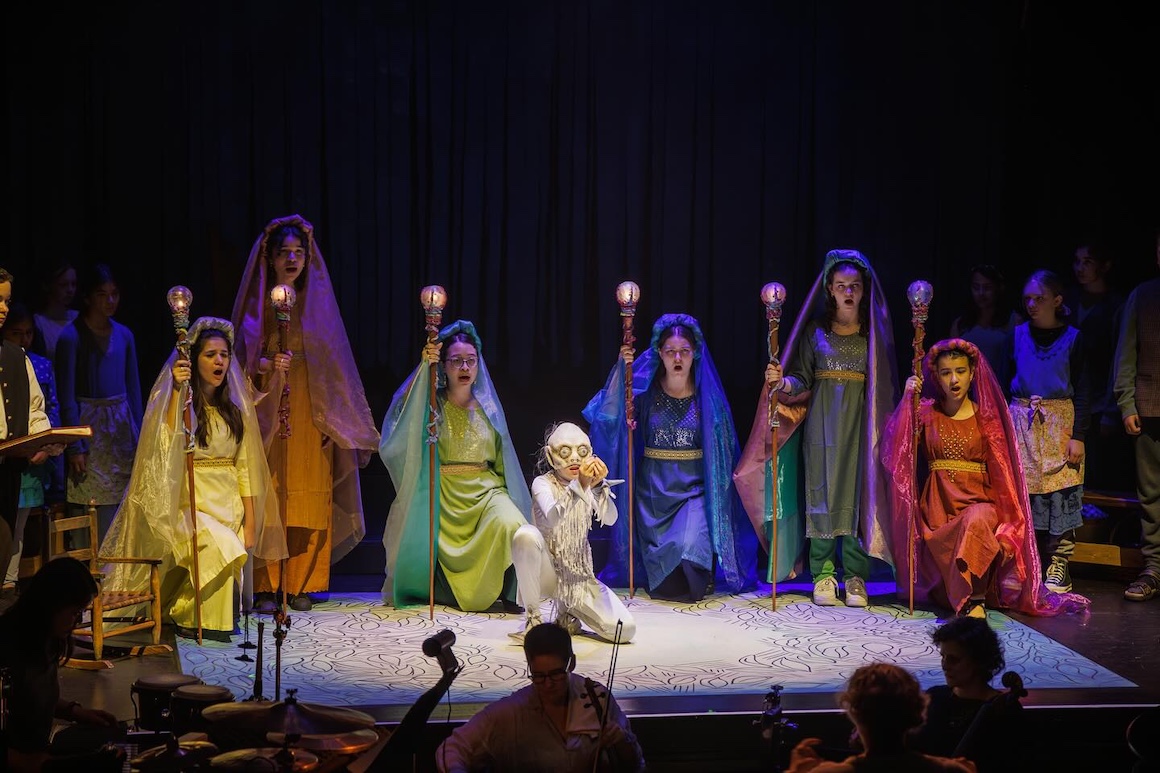
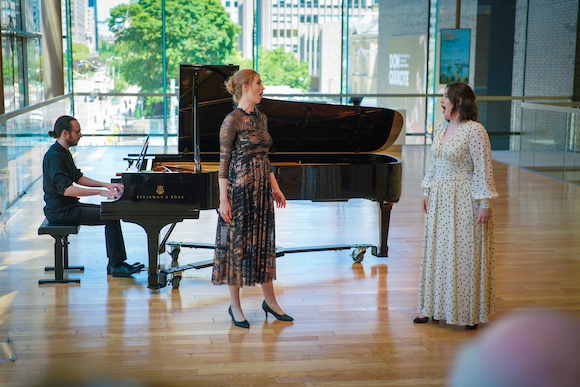
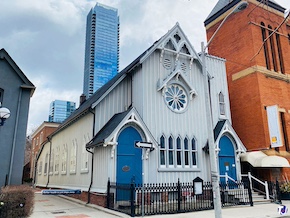 The final programme of Confluence Concerts season took place at Heliconian Hall on Wednesday night. It was billed as The Confluence Songbook and, if there was a theme, it was about doing live versions of music that had been streamed during the Plague. But really by the time we saw it it had outgrown that. For, in addition to the full line up of Confluence artistic associates there was a raft of guests which resulted in a fairly lengthy and very eclectic programme.