Unknown's avatar

About operaramblings

Toronto based lover of opera, art song, related music and all forms of theatre.

A Taste of Hong Kong

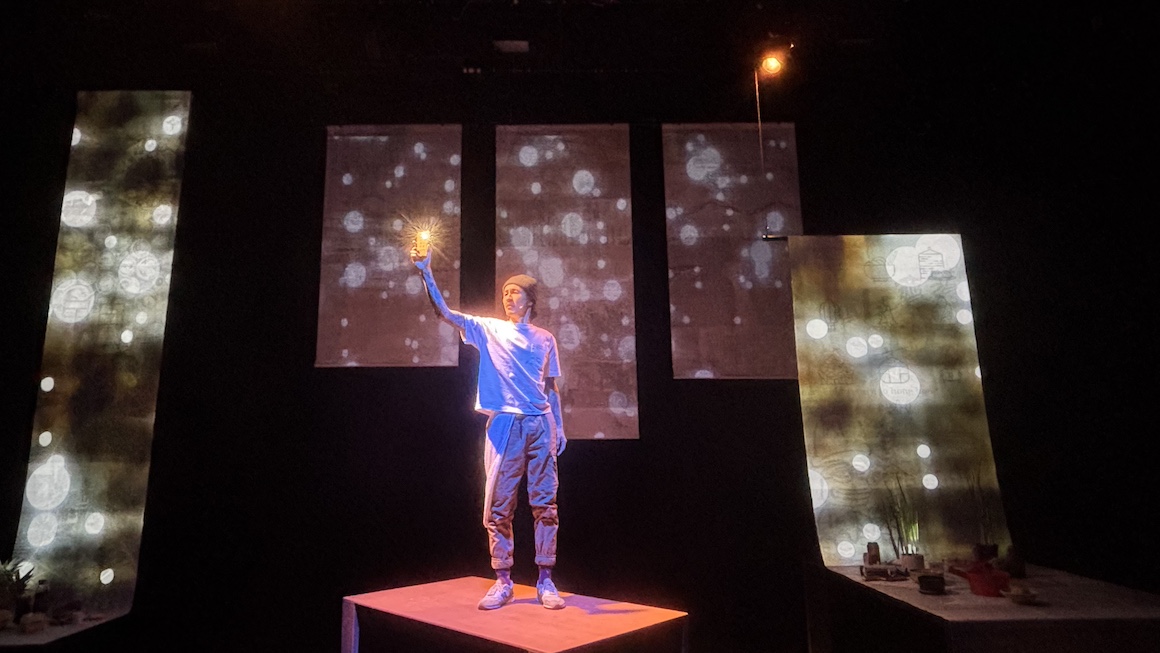
A Taste of Hong Kong is a one man show written by anonymous and performed by Derek Chan as Jackie Z.  Richard Wolfe directs.  It’s a sort of tragi-comedy about the Chinese takeover of Hong Kong from the British.  There’s a lot of audience interaction, especially at the beginning, so at first I thought it was going to be like a version of Monks but with fishballs instead of lentils but it gets much darker pretty fast.

Continue reading

TSM sneak preview

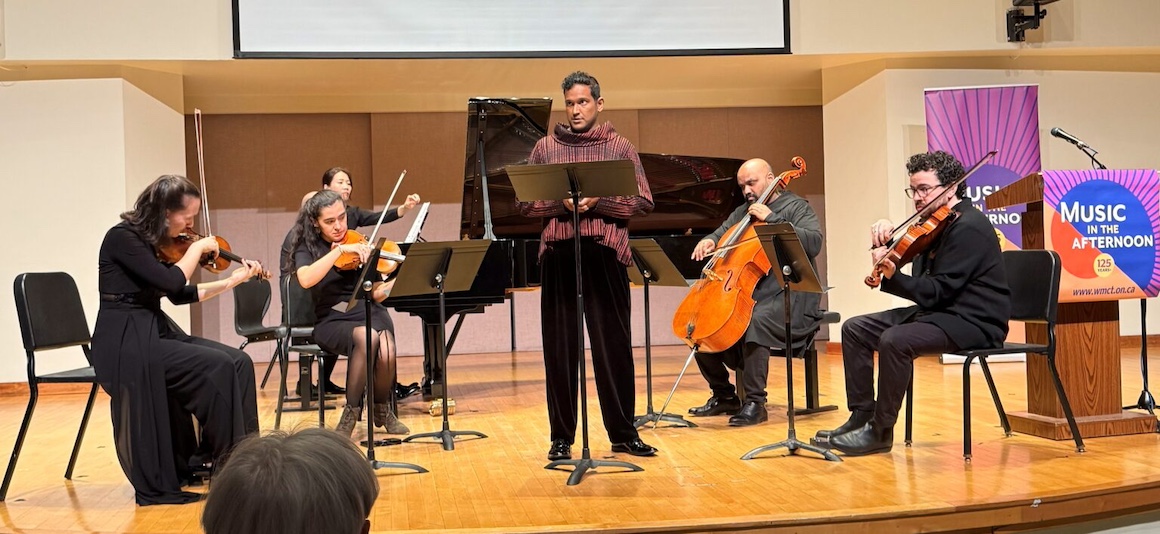
Last Tuesday lunchtime in the RBA we got a sneak preview of some of the music that will feature at this year’s 20th anniversary Toronto Summer Music.

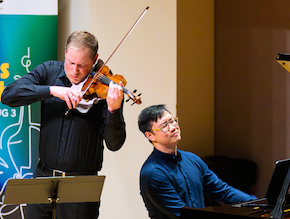
There was soprano Caitlin Wood with Philip Chiu performing three French chansons; at least one of which will feature in Mary Bevan and Roger Vignoles’ Walter Hall recital.  Cait herself will be performing as part of the cast of Brian Current’s opera Missing during the festival.

Continue reading

Songs by Debussy and Messiaen

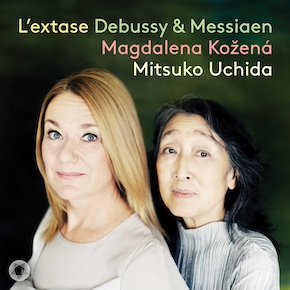
L’extase: Debussy and Messiaen is a new CD from mezzo-soprano Magdalena Kožená and pianist Mitsuko Uchida.  There are four sets of songs; three by Debussy and one by Messiaen.  The Debussy sets are Trois Chansons de Bilitis which set texts by Pierre Louÿs, Cinq poèmes de Charles Baudelaire and Ariettes oubliées to tests by Paul Verlaine.

To my ear all these cycles inhabit a similar sound world.  It’s very beautiful and languorous for the most part with something just not quite wholesome about it.  We are clearly looking forward to the language of Pelléas et Mélisande.  Only occasionally does something a bit more dynamic happen as in the quite dramatic “La tombeau des Naiades” from the first set and the lively “Chevaux des bois” from the Verlaine settings. Continue reading

Elephants and Circuses

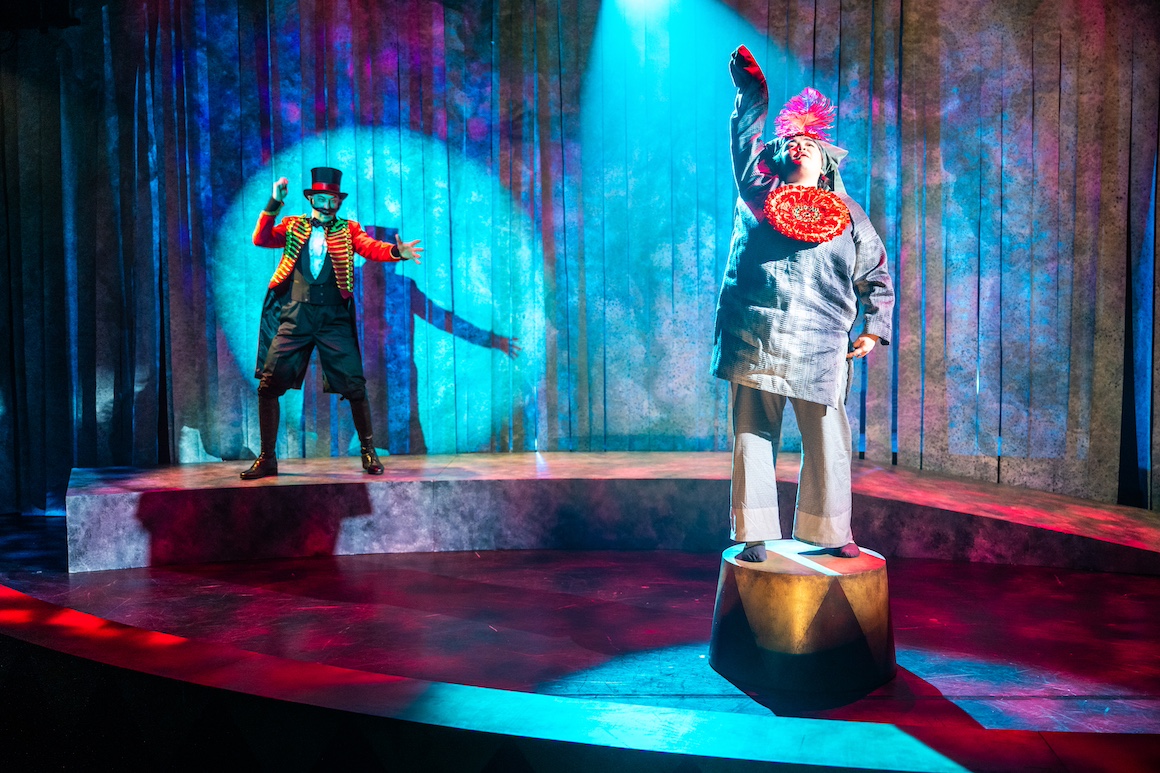
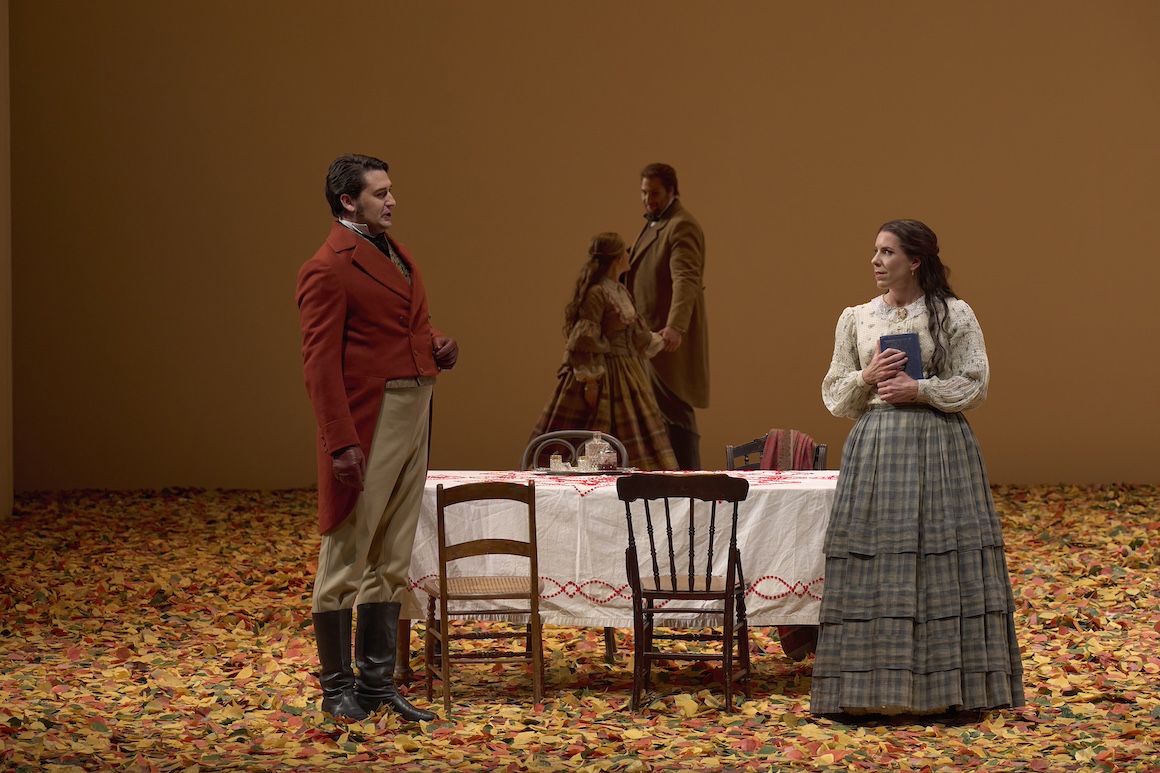
Tapestry Opera are currently presenting a production of Sanctuary Song (music by Abigail Richardson-Schulte, words by Marjorie Chan).  It’s a piece that premiered in 2008 and this revival, directed by Michae Mori, represents Tapestry’s first major production in the new Nancy and Ed Jackman Performance Centre.

Continue reading

The Threepenny Opera at Video Cabaret

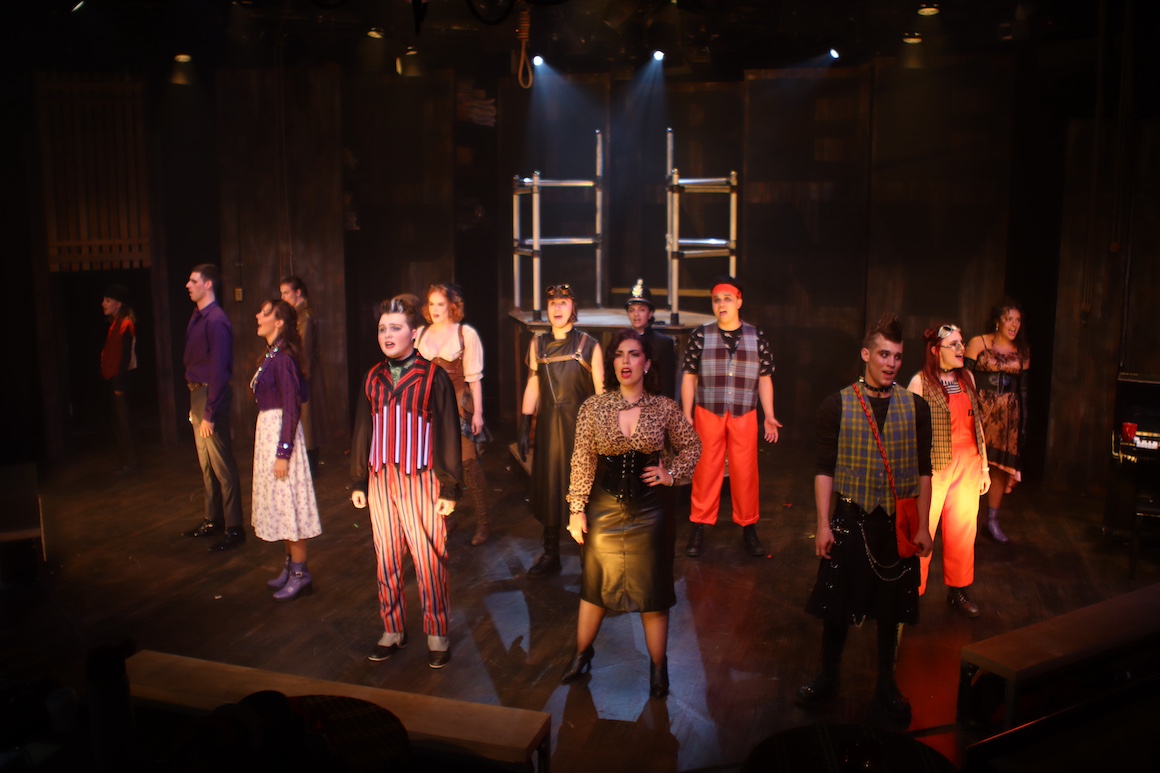
Unbridled Theatre Collective, a new outfit, opened a run of Brecht/Weill’s The Threepenny Opera at Video Cabaret on Thursday evening.  It’s in an updated version created for The National Theatre  by Simon Stephens in 2016 and it’s so updated it might well be retitled The 1.25p Opera. It’s raunchy and contains sexually explicit language and action (including some rather disturbing sexual violence) that would never have made it past the censors back in the day.

Continue reading

Ancestral Voices

The last concert of Soundstreams 2024/25 season took place at Hugh’s Room on Wednesday evening.  Marion Newman and Angela Park gave a recital called Ancestral Voices which premiered the piano version of the Bramwell Tovey song cycle of that name.  I had heard the orchestral version with Marion singing and Bramwell conducting the VSO at Roy Thomson Hall when the orchestral version was new.  It’s just as powerful in piano score; maybe more so as the singer can more easily convey the nuances of the text.  The selection of texts is clever; tracing an arc from an imagined Eden via environmental destruction and the Residential School system to, maybe, the seeds of Reconciliation.  The setting serves the text well and Angela made a really good substitute for an orchestra!

Continue reading

16th century English choral music

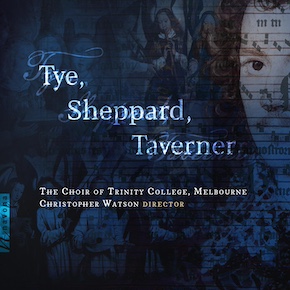
The middle years of the 16th century was an interesting period for English church music.  There was no shortage of musical talent or sponsorship but the political and ecclesiastical landscape was pretty mixed as the pieces chosen for a new CD from the Choir of Trinity College, Melbourne reveal.

The first piece is a setting of the Lord’s Prayer in English by John Sheppard; Informator Choristarum at Magdalen College.  It’s fairly straightforward polyphony but the text is interesting.  It’s in English so it must post date Henry VIII, during whose reign the Mass was still sung in Latin, but the wording is slightly different to that of the first edition of The Book of Common Prayer of 1549 in that, among other minor variations, it concludes with “So be it” rather than “Amen” so we can probably date it to the first two years of Edward’s reign. Continue reading

The other Iphigénie

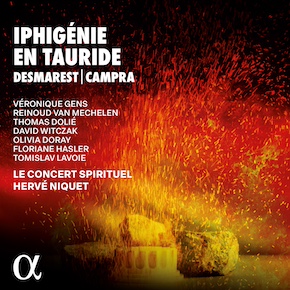
Euripides’ Iphigenia at Tauris formed the basis for an opera almost a century before the more famous one by Gluck.  Henri Desmarets; one of the more notable successors to Lully at Versailles/Paris began work on an Iphigenia opera to a libretto by  Joseph-François Duché de Vancy in the 1690s but work was interrupted by Desmarets being exiled from France for marrying a minor without her father’s permission.  Eventually the Académie Royale de la Musique entrusted the task of completing the opera to André Campra who teamed up with Antoine Danchet as librettist.  The end result was a tragédie lyrique in five acts and a prologue that premiered in 1704 to some success.  An even more successful revival in 1711 led to multiple productions across France and abroad before it was effectively replaced by the Gluck work in 1779. Continue reading