

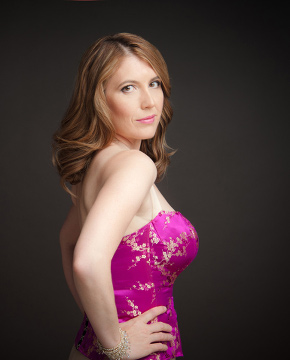
 Tapestry Songbook is the culmination of New Opera 101; a week long masterclass where young singers get to work with established performers on repertoire from Tapestry’s extensive collection of recent Canadian work. This year the “masters” were Krisztina Szabó, Keith Klassen and Steven Philcox. The week culminates with a series of concerts of :scenes”; some performed by the “masters” and some by the students. As there were fourteen pieces performed and a cast of thousands I’m just going to report on my personal favourites with due apologies to anyone who got left out.
Klassen, Szabó and Philcox kicked things off with the rather disturbing Merk’s Dream; a collaboration from the 2011 LibLab by Nick Carpenter and Elisabeth Mehl Greene. It’s a creepy vignette of a dying man trying to get through, and largely failing, to his developmentally challenged daughter, brilliantly portrayed by Szabó. This was followed by In This World George is Heartbroken; a 2012 LibLab piece by Hannah Moscovitch and Lembit Beecher about various, largely imagined, aspects of a dull middle class marriage. By turns hilarious and violent it featured a really interesting prepared piano accompaniment and featured three of the stars of the evening; Gwenna Fairchild-Taylor, Janaka Welihinda and, new to me, the very impressive Markéta Ornova on piano.

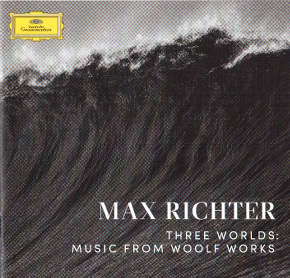 In some ways listening to ballet music without the visuals is even weirder than listening to opera without them but at least it’s easier to rearrange and abridge ballet music for concert purposes. That’s the case with Max Richter’s Three Worlds: Music from Woolf Works which is his condensation of Woolf Works which he wrote for Wayne McGregor and the Royal Ballet. As the name suggests it’s inspired by the works of Virginia Woolf and has three movements based on three of the novels; Mrs. Dalloway, Orlando and The Waves.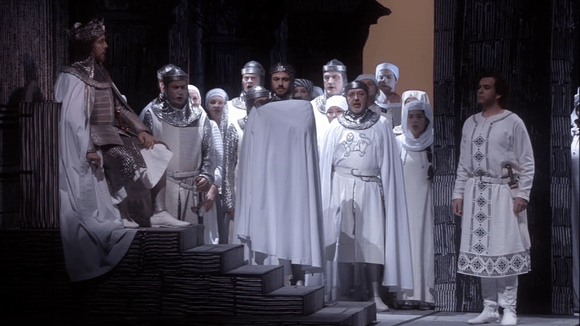
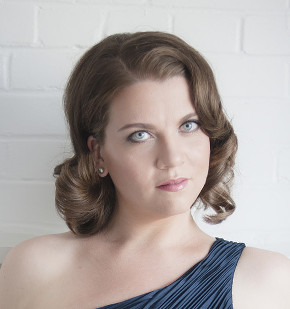 Thursday seems to be the big day next week. Ileana Montalbetti and Rachel Andrist have a lunchtime recital in the RBA. There’s Strauss and Mozart and Beethoven and more. Ileana has been a really impressive Gutrune in Götterdämmerung so I’m excited to see her in recital. That evening there’s a choice of the annual COC Ensemble Studio performance at the Four Seasons Centre where the Ensemble members will be offering staged scenes, with full orchestra, from Mozart’s La finta giardiniera, Bellini’s Norma and Handel’s Ariodante. The alternative is Tapestry Songbook VII featuring Krisztina Szabó, Keith Klassen and Stephen Philcox performing numbers from Tapestry’s extensive back catalogue. That’s at the Ernest Balmer Studio at 7.30pm. There are repeat shows on Friday at 7.30pm and 10pm. Looks like both 7.30pm shows are sold out but late night Friday is still available. Operaramblings’ extensive spy network (not Louise Mensch) suggests that patrons may also learn something to their advantage. The day before, Wednesday at 7.30pm, there’s a Don Giovanni in concert at Royal St. George’s Chapel. Actually seeing as how dancer Bill Coleman is involved it may not be entirely straight “in concert”. The cast includes Alexander Dobson in the title role, Katherine Whyte, Colin Ainsworth, Taiya Kasahara, Vania Chan and Matthew Li plus a “special guest”. Tickets at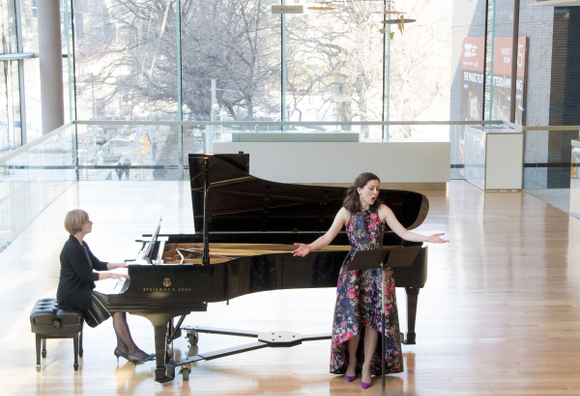
 operaramblings