 My review of Il Pomo d’Oro’s CD of Purcell’s Dido and Aeneas with Joyce DiDonato as the Queen of Carthage is now available at La Scena Musicale.
Joyce DiDonato is Dido
Reply


My review of Il Pomo d’Oro’s CD of Purcell’s Dido and Aeneas with Joyce DiDonato as the Queen of Carthage is now available at La Scena Musicale.
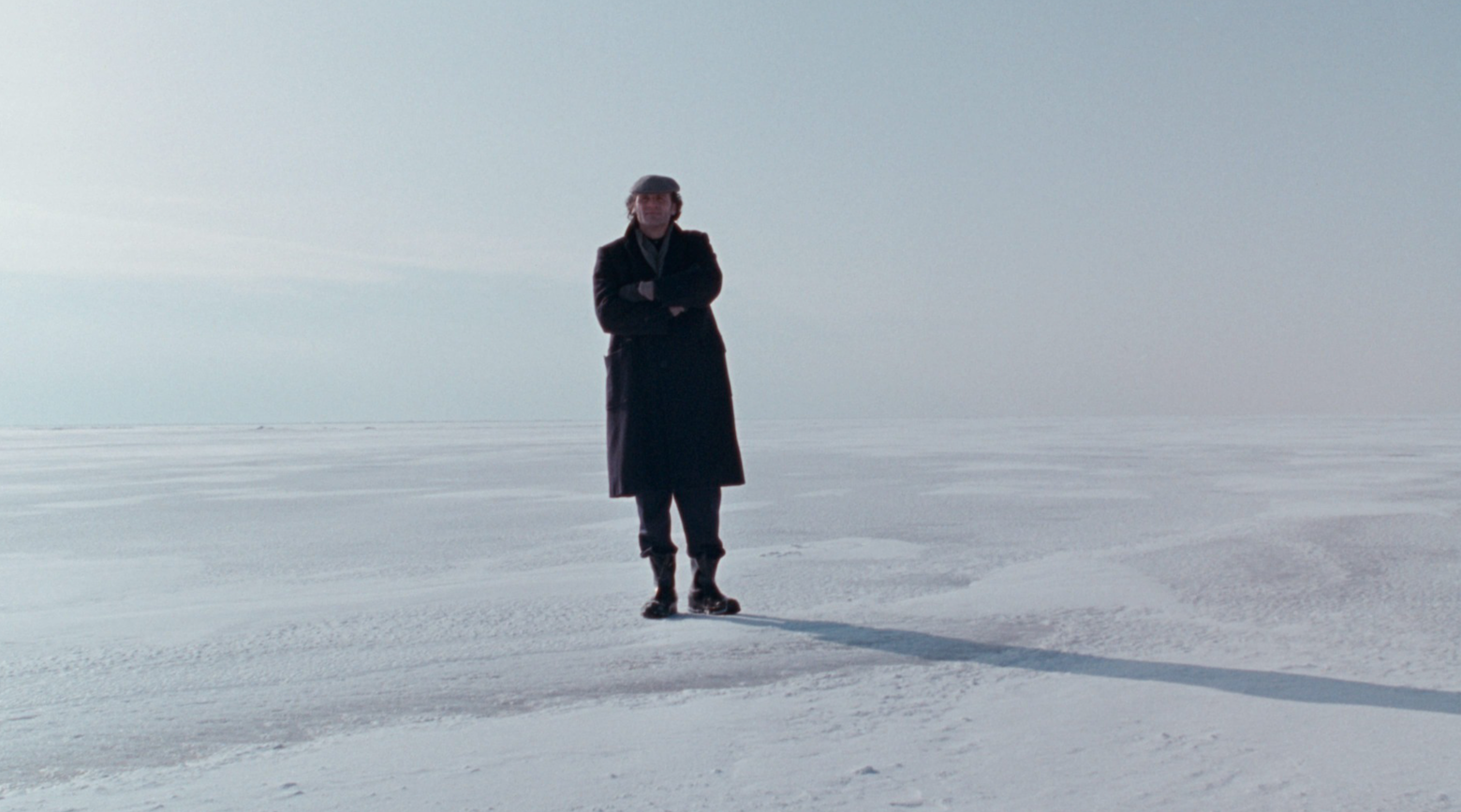
My review of the sumptuous Criterion Collection reissue of the classic Thirty Two Short Films About Glenn Gould is now up at La Scena Musicale.
 Every few weeks Second City hosts a couple of sketch comedy acts for two nights in their Theatre 73. Last night and tonight it’s Toronto troupe Potato, Potato and Montreal based Small Friend Tall Friend. Details on this are going to be a bit sparse as the house programme contained almost no useful information and the two groups web presence seems to be limited to Instagram (Kids these days!).
Anyway it was fun in a Fringe kind of way (though way more comfortable than most Fringe venues). I really rather like Potato, Potato’s slanted look at life in Toronto; the housing crisis (room mate drops dead when forced to flatshare with a cat), Ontario Place (apparently gifted to Doug’s favourite German metal band), Doug again (this time shooting a cyclist) sand Olivia Chow (crashing everybody’s parties). Daft of course, but nicely paced and energetic. I’d go see them again. Continue reading
There are a couple of concerts at the end of September that I didn’t hear about in time to include in my September listings post. The concerts are being given by the Happenstancers and Slow Rise Music who each represent some of the interesting and different approaches that Toronto’s younger musicians are taking to presenting chamber music.

The production of Donizetti’s Don Pasquale recorded at the 2024 Donizetti Festival in Bergamo is lively colourful and, generally, well done. Amélie Niermayer’s production is essentially contemporary with a heavy emphasis on class difference between the relatively upscale Pasquale clan and the Malatestas who are shown as some sort of Italian equivalent of “Essex man”. Doctor Malatesta has tattoos and wears a heavy gold chain and when we first see Norina she’s in braids, a T shirt, fishnets and also sports tattoos. Her taste doesn’t improve much after the “wedding”. In contrast, Ernesto is more stylish and less of a dweeb than in other productions I’ve seen.

 Life slowly returns to some version of normal.. Here’s what I’m seeing so far for Sptember.
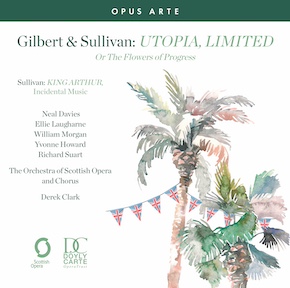 I was curious about Scottish Opera’s new recording of Gilbert and Sullivan’s Utopia, Limited because it’s a G&S I’ve not heard before. It’s a late work and was less successful than its better known predecessors. The plot concerns an island in the “South Seas” where the king is so taken with all things English that he sends his daughter to Cambridge and has her return with a bevy of English worthies including Captain Joseph Corcoran KCB. Eventually the king enacts all kinds of reforms including turning the entire population into limited liability companies. They revolt but the day is saved by Princess Zara pointing out that with party government all the reforms will inevitably be repealed after the next election. Continue reading
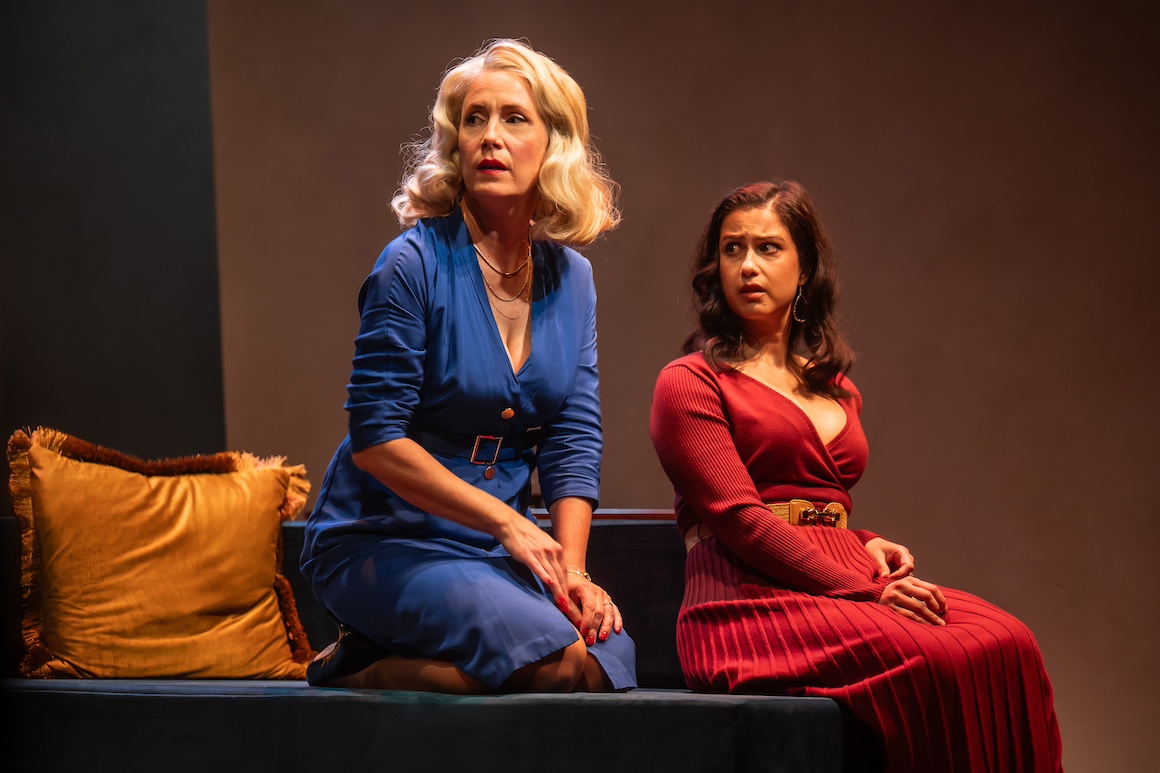
Old Times by Harold Pinter is currently playing at Soulpepper in a production directed by Peter Pasyk. It premiered in 1971 in London and i’s very much an artefact of its time and place besides being decidedly weird in a Pinteresque way. A well off married couple living somewhere fairly remote on the English coast are being visited by the woman who, twenty years earlier, was the wife’s roommate when they were both young “secretaries” in London but who is now married to a Sicilian aristo.
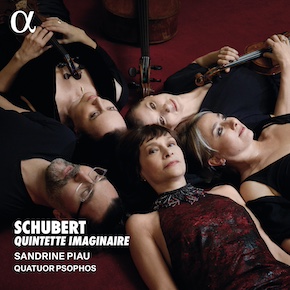 Quintette Imaginaire is a disk of Schubert song arrangements from soprano Sandrine Piau and the Quatuor Psophos. There’s about 43 minutes of songs including such well known ones as “Kennst du das land”, “Viola” “Ganymed” and “Erlkörnig”. There are also a couple of movements from Schubert quartets to make up a total of 67 minutes of music.
It’s a change to hear these songs sung by a soprano and the textures of the quartet arrangements are interesting. I particularly enjoyed the bouncy arrangement of “Ganymed” and a thoughtful reading of “Viola”. I’m not sure a soprano can really sound dark enough for “Erlkönig” though. All in all there’s some excellent playing and Piau sounds idiomatic in German. Continue reading
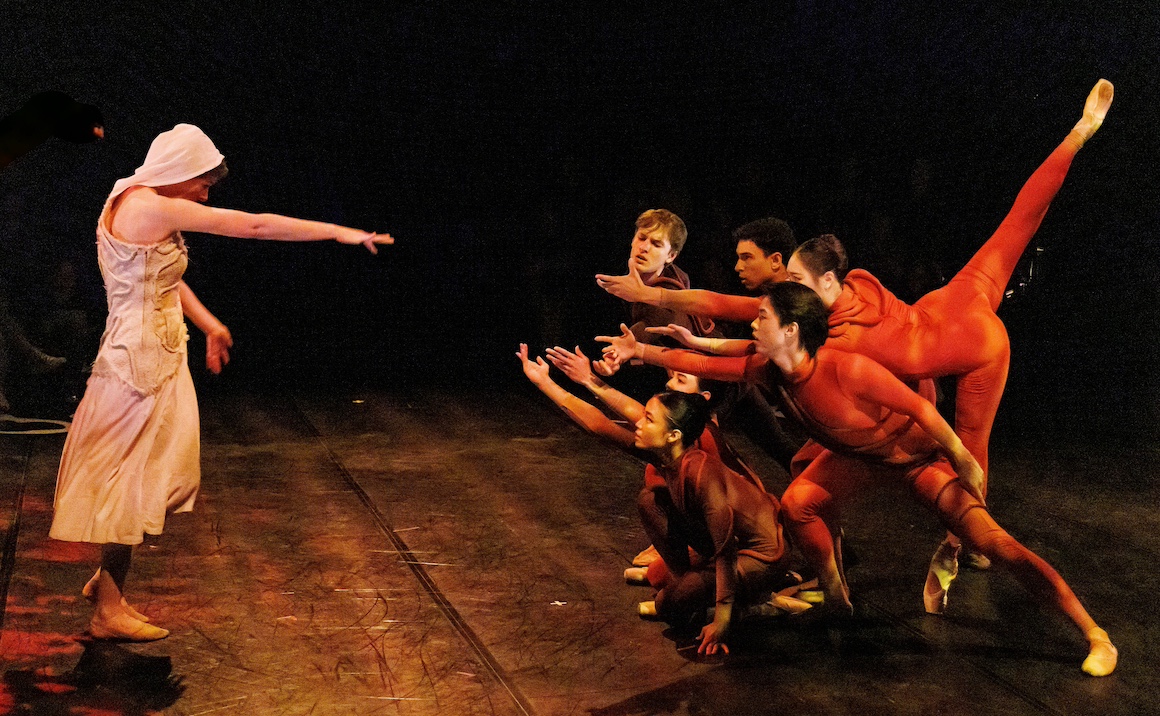
Devon Healey’s Rainbow on Mars opened on Wednesday evening at the Ada Slaight Hall at the Daniels Spectrum. It’s a co-production by Outside the March and the National Ballet directed by Nate Bitton and Mitchell Cushman with choreography by Robert Binet.
 operaramblings