
I’m a bit surprised that Berlioz’ 1838 opera Benvenuto Cellini hasn’t come my way before. It’s got all the operatic elements; romance, politics, murder (and the Pope) etc and some really rather good music. There’s a lovely duet between Cellini and his girl, Teresa, in the first act and Cellini’s aria Sur les monts les plus sauvages is long and demanding in the way that Rossini writes long and demanding tenor arias. The plot maybe has a few holes. One might expect that after the pope has decreed that Cellini will be hanged if he doesn’t finish a statue by nightfall that he might just get on with it rather than running around fighting duels and stuff but there you have it. It’s French opera after all.

 The demise of Toronto Masque Theatre was never likely to lead to the retirement of Larry Beckwith from the Toronto scene and it hasn’t. He’s back with a new concert series called Confluence that describes itself as a “a new interdisciplinary, cross-cultural multi-media (many-hyphened) project”. There’s a Pay What You Can kick off next Sunday, 16th September, at St. Thomas’ Church at 383 Huron Street at 2.30pm where there will be performances and readings featuring many of the season’s artists plus food and drink.
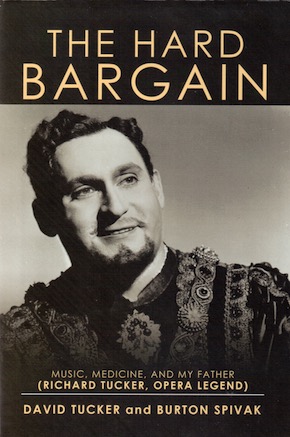 There are some unusual books coming my way these days. The latest is an autobiography (more or less) of David Tucker; the middle son of the late Richard Tucker; a fixture at the Met for thirty years until his death in 1975. I found it fascinating but I’m not entirely sure whether that’s because it’s a good book or because of the many places where it has a lot of personal resonance for me. Both I suspect. I also found myself having very ambivalent feelings about David (and perhaps even more so Richard) Tucker but I don’t think it’s the purpose of a reviewer of an autobiography to make moral judgements about his subject. The reader can do that for him/herself.
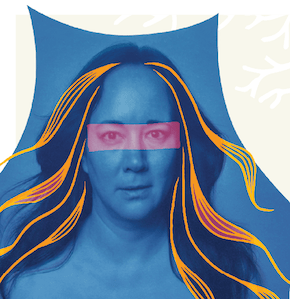 It’s September and the long, slow awakening after the annual aestivation begins. There’s not a lot on yet but what there is is interesting. The middle of the month sees Native Earth’s production of
 operaramblings