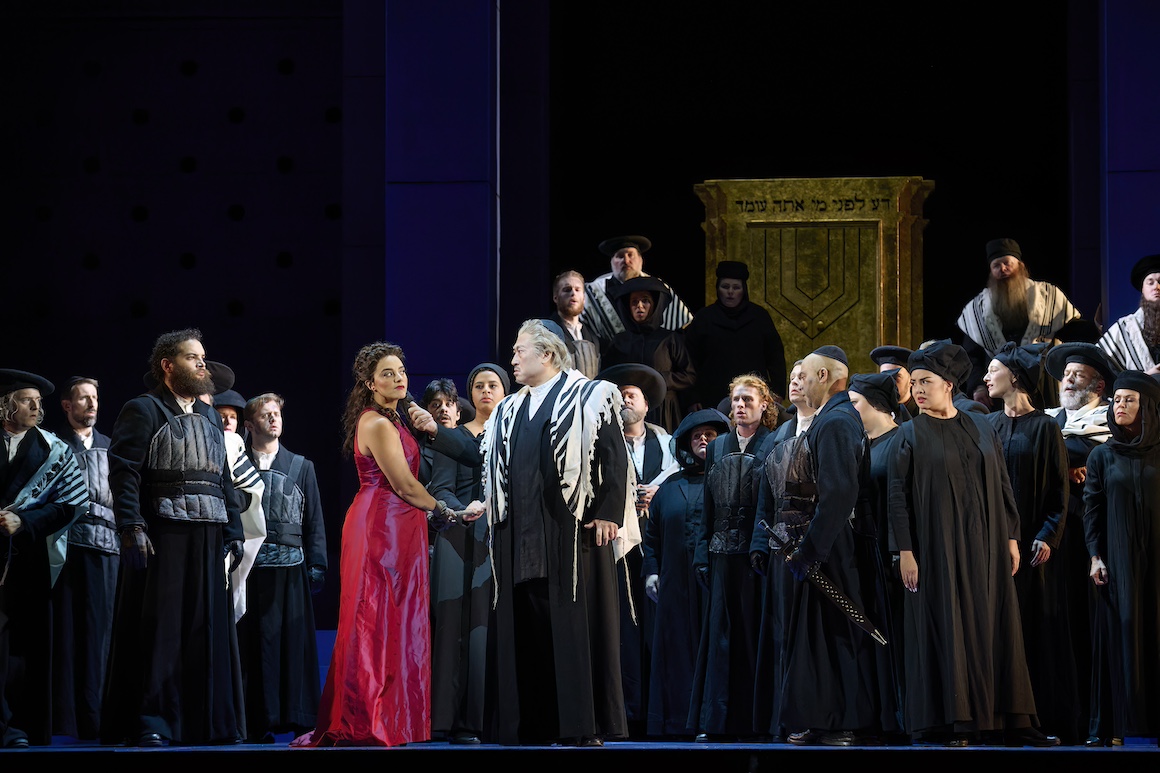
My review of the COC’s season opener; Verdi’s Nabucco, is now up at @bachtrack
Photo credit: Michael Cooper
My review of the COC’s season opener; Verdi’s Nabucco, is now up at @bachtrack
Photo credit: Michael Cooper
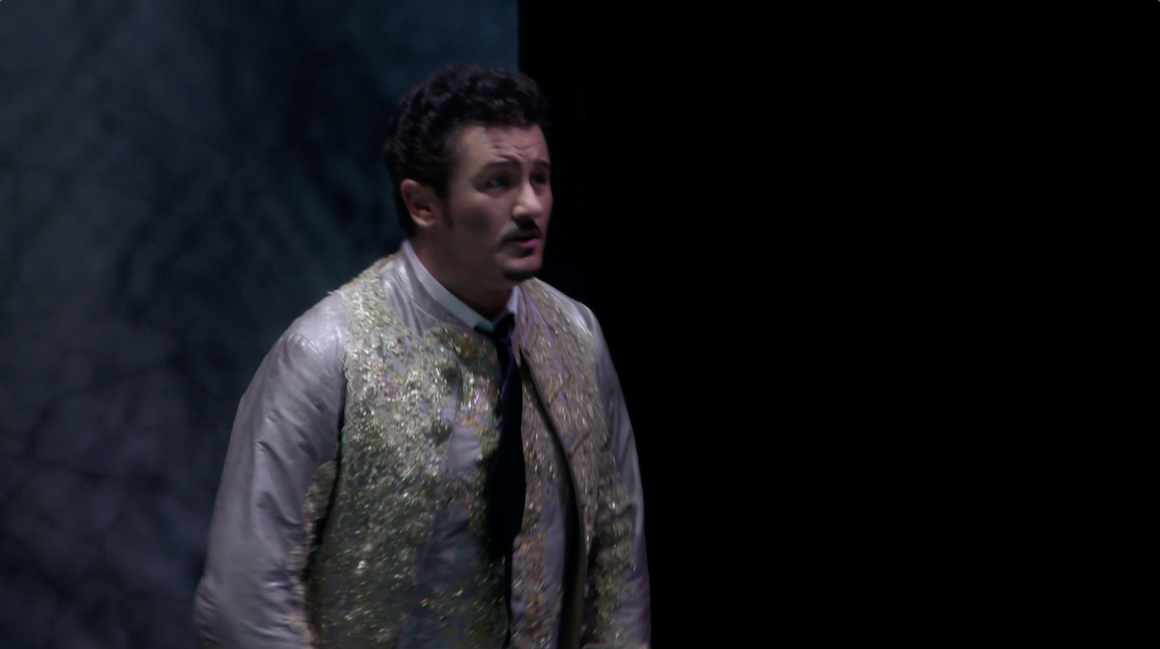
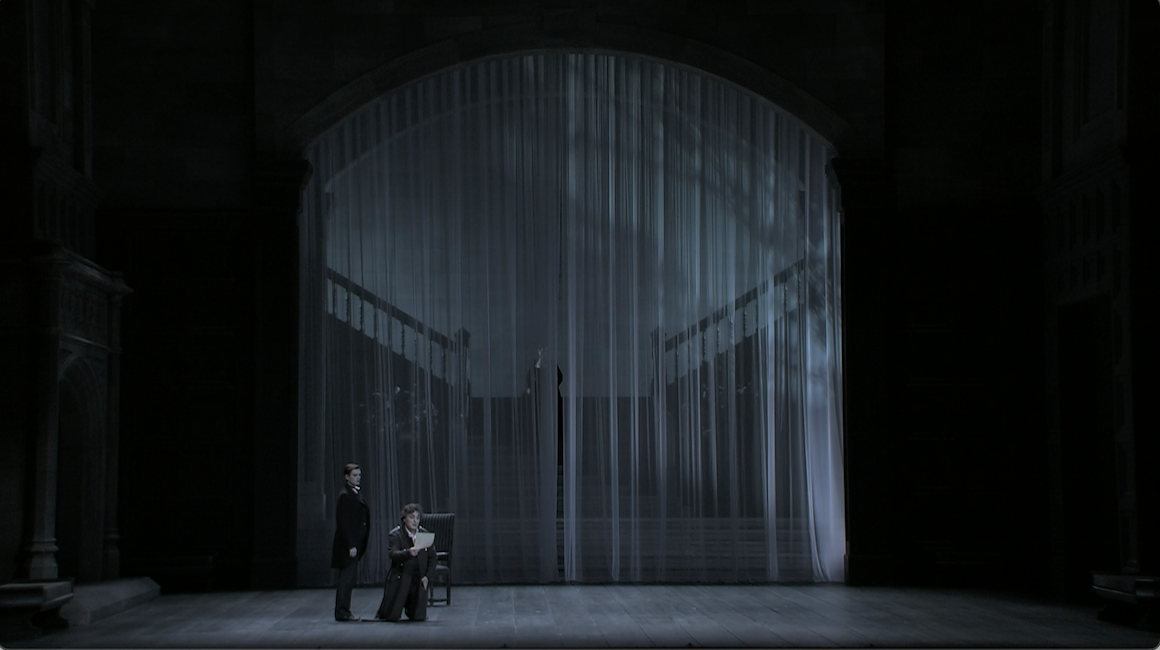
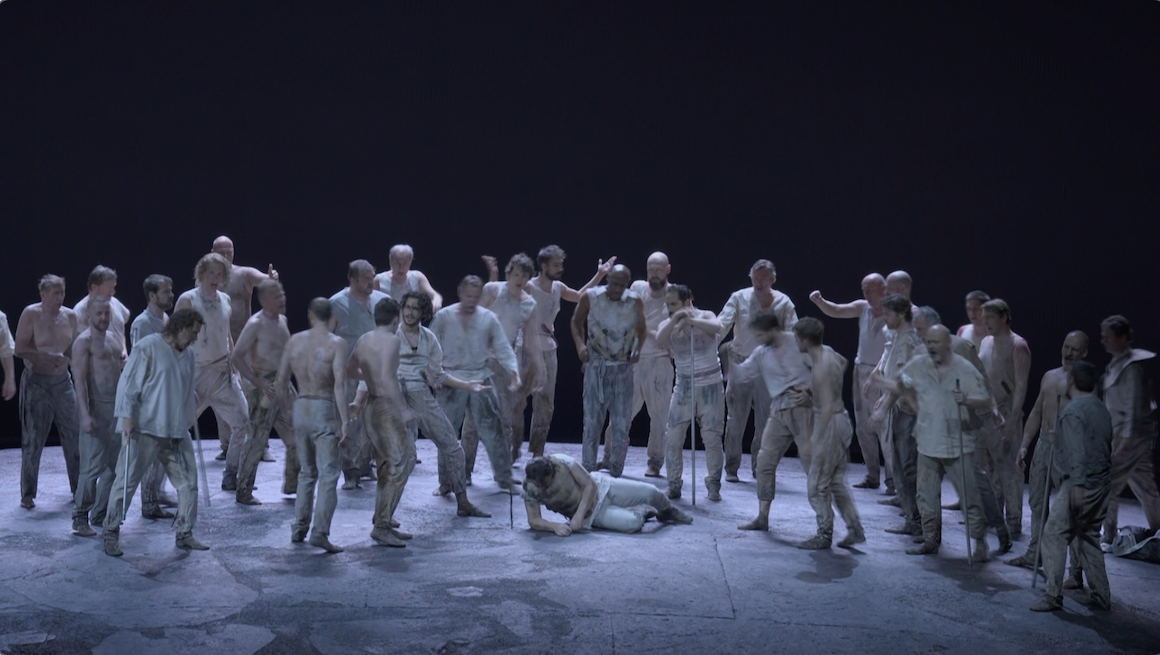
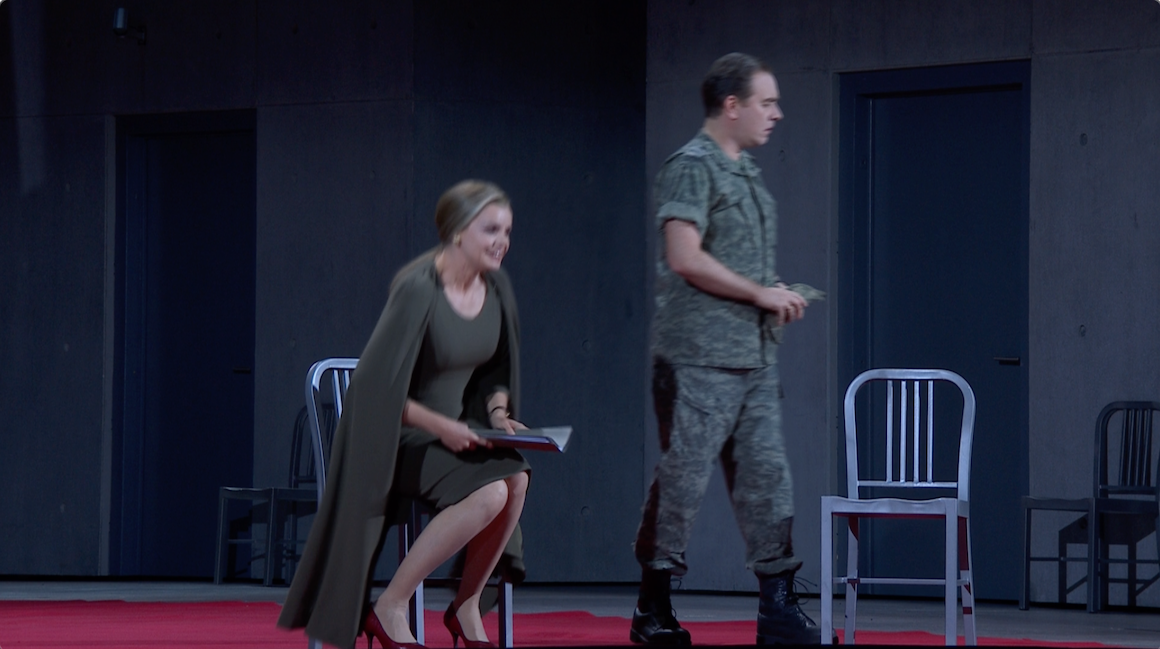
Krysztof Warlikowski’s production of Verdi’s Macbeth; recorded for video at Salzburg in 2023 is certainly not short of ideas. Whether it all hangs together is another matter. There seem to be two main ideas in play. We are in a 1940s-ish fascist state with party armbands and so on. This gets more explicit as the piece develops. On top of this there’s a foregrounding of Lady Macbeth as the real driving force of the drama coupled with the idea that what’s driving her is her inability to provide an heir. For example, she’s clearly the one being crowned after Duncan’s murder and babies are a recurrent visual motif.

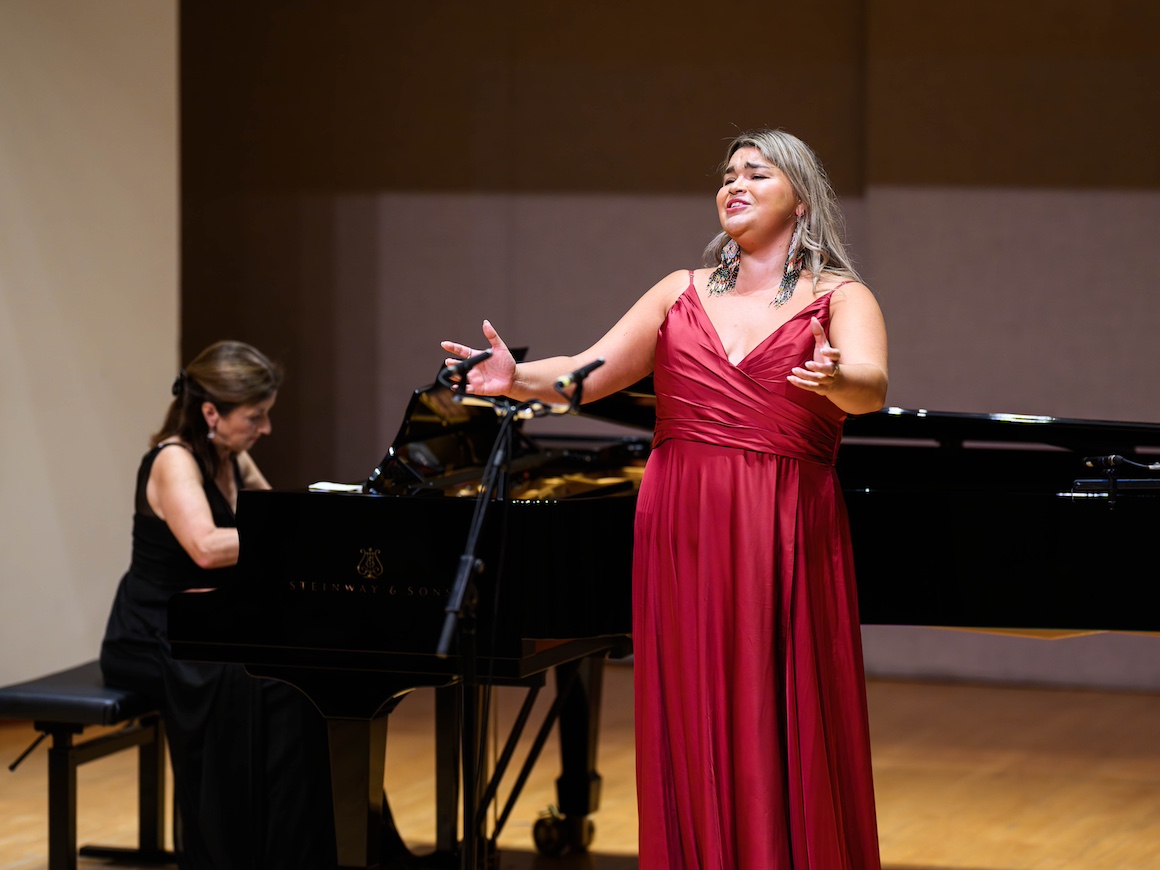
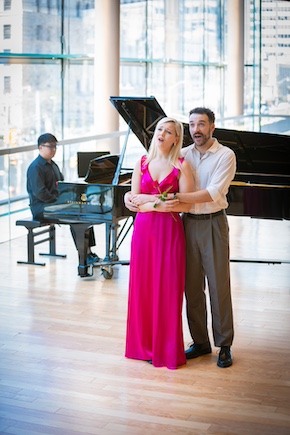
Tuesday night’s Toronto Summer Music concert in Walter Hall featured Quebec soprano Elisabeth St-Gelais with Louise Pelletier on piano. The first part of the concert consisted of songs by Brahms and Strauss. I’m not a huge fan of Brahm’s Zigeunerlieder, Op.103 which are very much an example of Germans misunderstanding just about everything about Hungarian folk music let alone gypsies. The texts are cliché ridden and the music isn’t much better. Ms. St-Gelais sang then with a full pleasant tone and some attention to the text but she really needs to work on her German diction.

Robert Carsen’s production of Verdi’s Aida seen at Covent Garden in 2022 is a very good example of what Carsen can do. In this case it’s to strip out elements he considers non-essential and focus on the essentials of the drama. In the rather good “extra” feature on the video recording Carsen summarises it as focussing “on the story not the place”.

I caught the Toronto Mendelssohn Choir’s second performance of Verdi’s Messa da Requiem at Koerner Hall on Tuesday evening. It’s a piece that’s deservedly famous but I think that this was my first time seeing it live. It’s an interesting piece. It’s not a conventional requiem but nor would I call it “operatic”. It’s far more dramatic than any other mass setting I can think of (even Britten’s War Requiem) but in its own way. Part of it is structural. Verdi keeps bringing back the “Dies Irae” text and music; even right down to. the final “Libera Me”. As his setting for the “Dies Irae” is extremely dramatic (I want to say gonzo but that doesn’t seem very ecclesiastical!) it injects a degree of drama where the core text doesn’t really call for it. FWIW the setting is very loud with choir and orchestra going full out and the timpani being almost scary. It’s particularly so first up where it segues straight into the “Tuba Mirum” with trumpets up on either side of the choir loft.

The Met HD in cinemas line up has been announced for 2024/25 so here’s my take on it. The first thing to notice is that there are only eight shows. There have been ten per season since 2012/13 and twelve before that. This is likely a reflection of the problems with audience numbers that all North American opera companies have been having. In the same time period the COC has cut back from 65-70 main stage performances per year to 42 and the Met’s “in house” audience problem has been well publicised. So what does that leave us with?
Verdi’s 1849 opera La battaglia di Legnano is loosely based on a battle that took place in 1176 between the forces of Frederick Barbarossa and those of the Lombard League; just one episode in the interminable struggle between Guelfs and Ghibellines. By Verdi’s time the battle had been appropriated by Italian nationalists (at least in northern Italy) as symbolic of the Italians struggle against the Austrian occupiers and that’s pretty much where Verdi is at.
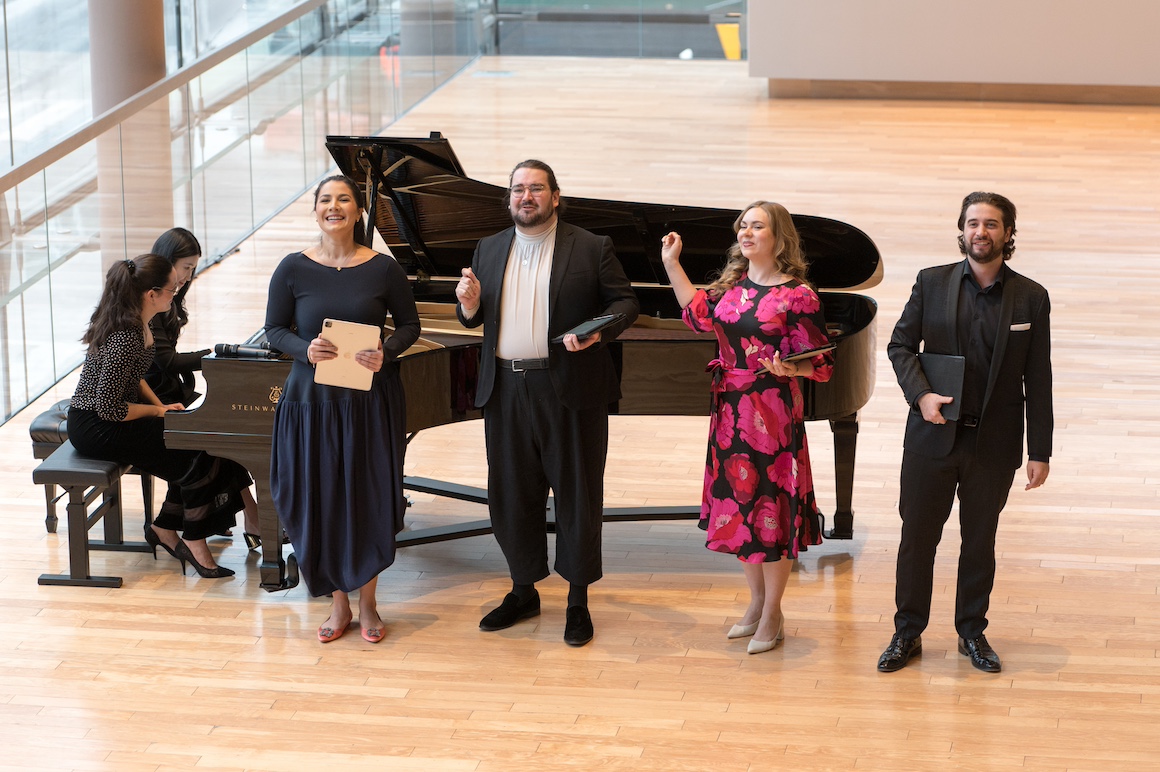
Thursday’s concert by members of the Ensemble Studio in the RBA was an all French affair (at least as far as language went) and it was rather good. Karoline Podolak iniated proceedings with Mattia Senesi at the piano with Kurt Weill’s “Youkali”. Now I’ve heard this sung by everybody from Barbara Hannigan to Benjamin Appl and I’d have to see that Ms. Podolak is right up there. There was no male stripper though.
Korin Thomas-Smith has something of a penchant for the bizarre and I think that’s a fair description of two sets drawn from Apollinaire’s Bestiaire. There were five of the Poulenc settings (about as far from Dialogues of the Carmelites as one could imagine) and six from Rachel Laurin’s more atonal and abrasive settings. I would probably sing these songs if I had four dromedaries and could sing. Fine work from Brian Cho at the piano. Continue reading
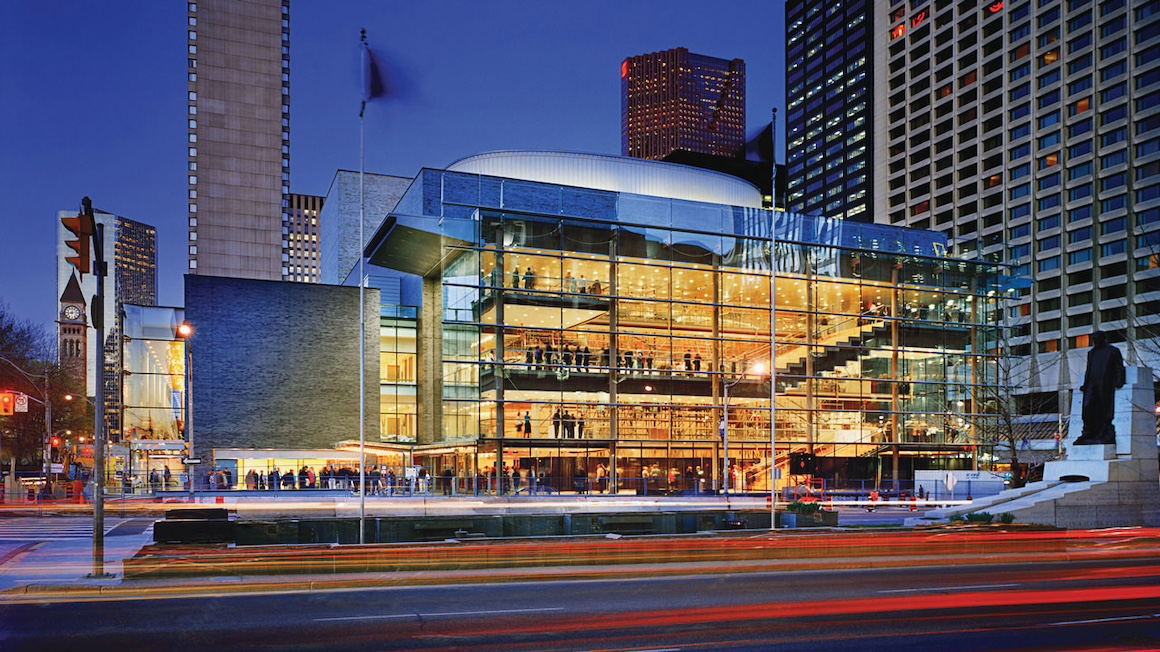
The COC has just announced it’s 2024/25 season. It’s a mixed bag. There are some very welcome examples of operas not seen in Toronto for a long time and a new co-commission. There’s a perhaps surprisingly earlier than expected remount of Eugene Onegin plus Madama Butterfly yet again but at least it’s a “new to Toronto” production. There are no new/new productions and no COC Theatre production though there’s one performance of a concert version of Cavalleria Rusticana at the Four Seasons Centre. It’s a bit light on star power too though there are plenty of opportunities for home grown favourites.

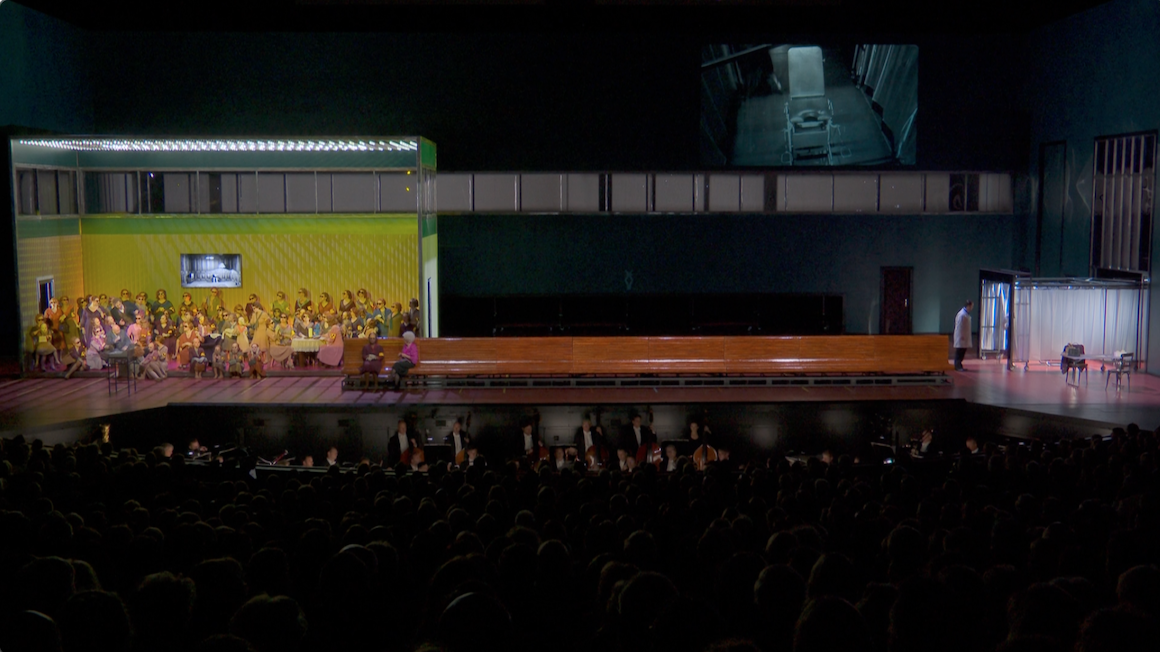
A scene from William Kentridge’s Wozzeck – photo: Ruth Walz
First some additional February shows
Opera