
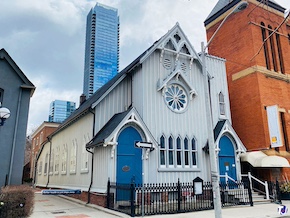
 The final programme of Confluence Concerts season took place at Heliconian Hall on Wednesday night. It was billed as The Confluence Songbook and, if there was a theme, it was about doing live versions of music that had been streamed during the Plague. But really by the time we saw it it had outgrown that. For, in addition to the full line up of Confluence artistic associates there was a raft of guests which resulted in a fairly lengthy and very eclectic programme. Continue reading
The Whole Gang and Then Some
Reply
 The Met HD in cinemas line up has been announced for 2024/25 so here’s my take on it. The first thing to notice is that there are only eight shows. There have been ten per season since 2012/13 and twelve before that. This is likely a reflection of the problems with audience numbers that all North American opera companies have been having. In the same time period the COC has cut back from 65-70 main stage performances per year to 42 and the Met’s “in house” audience problem has been well publicised. So what does that leave us with?
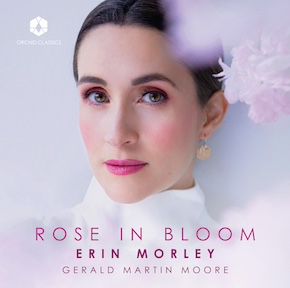 Rose in Bloom is a new recital CD from coloratura soprano Erin Morley accompanied by Gerald Martin Moor. It’s a bit of a mixed bag. There’s some really nice singing and playing but some of the music choices leave me a bit cold.
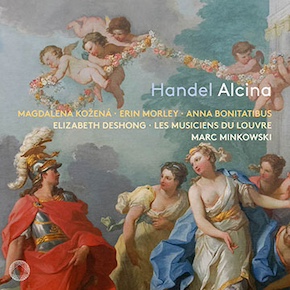 The new recording of Handel’s Alcina from Marc Minkowski, Les musiciens du Louvre and a rather starry line up of soloists is very good and quite interesting. It’s very complete. As far as I can tell all the ballet/dance music is included and so are all the Oberto scenes and all his arias. In all the staged performances I’ve seen (live or video) one or both are usually heavily truncated and I have seen versions where Oberto doesn’t feature at all.
 operaramblings