Here’s some of what January has to offer…
Toronto Operetta Theatre is doing Imre Kalman’s The Czardas Princess over the New Year holiday. It’s st the Jane Mallett Theatre and there are shows on December 30th and January 2nd, 3rd and 4th.
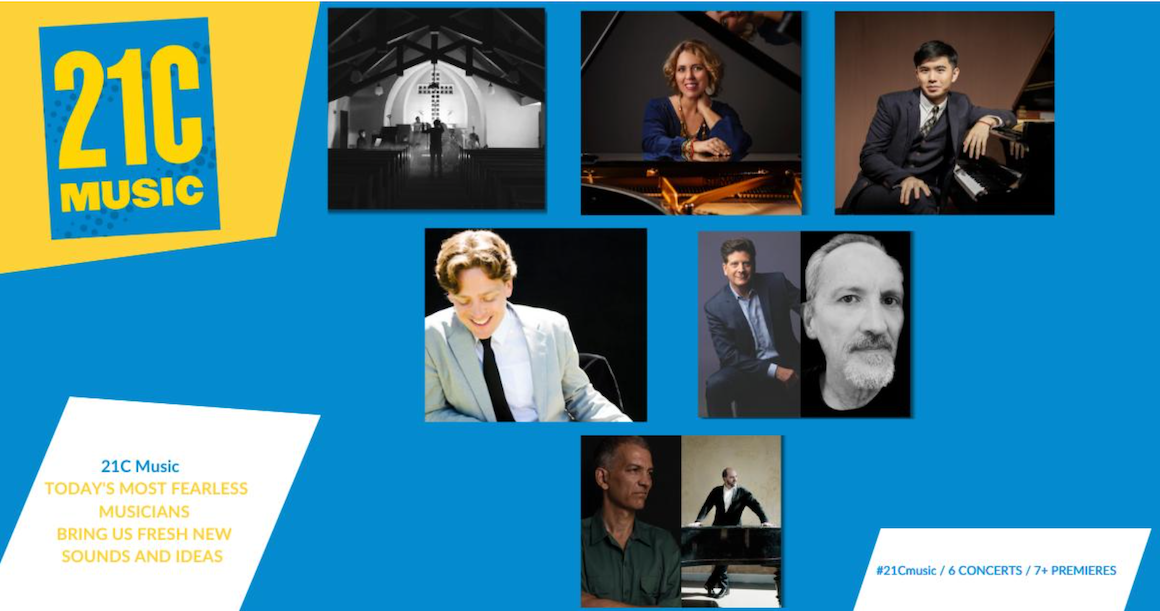
The line up for 21C for 2026 has been announced. This is always one of the city’s best programmes of contemporary and related music. Details… Continue reading
Helène Berr was a student at the Sorbonne in the 1940s. She was musical, well read and kept a journal. One looks at her photograph and one sees exactly what one expects; regular features, not too much makeup, nicely cut hair. All in all a typical young middle class Parisienne of the period. But she was Jewish and, ultimately deported to Auschwitz and then Bergen-Belsen, where she was killed just days before British troops liberated the camp on 15th April 1945.
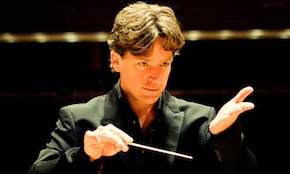
Always one of my favourite concerts, the annual late night one in Temerty Theatre which forms part of the 21C festival. As usual on Saturday night Brian Current was conducting the GGS New Music Ensemble. This time it was two new Canadian works plus a 1994 piece by Luca Francesconi. Continue reading
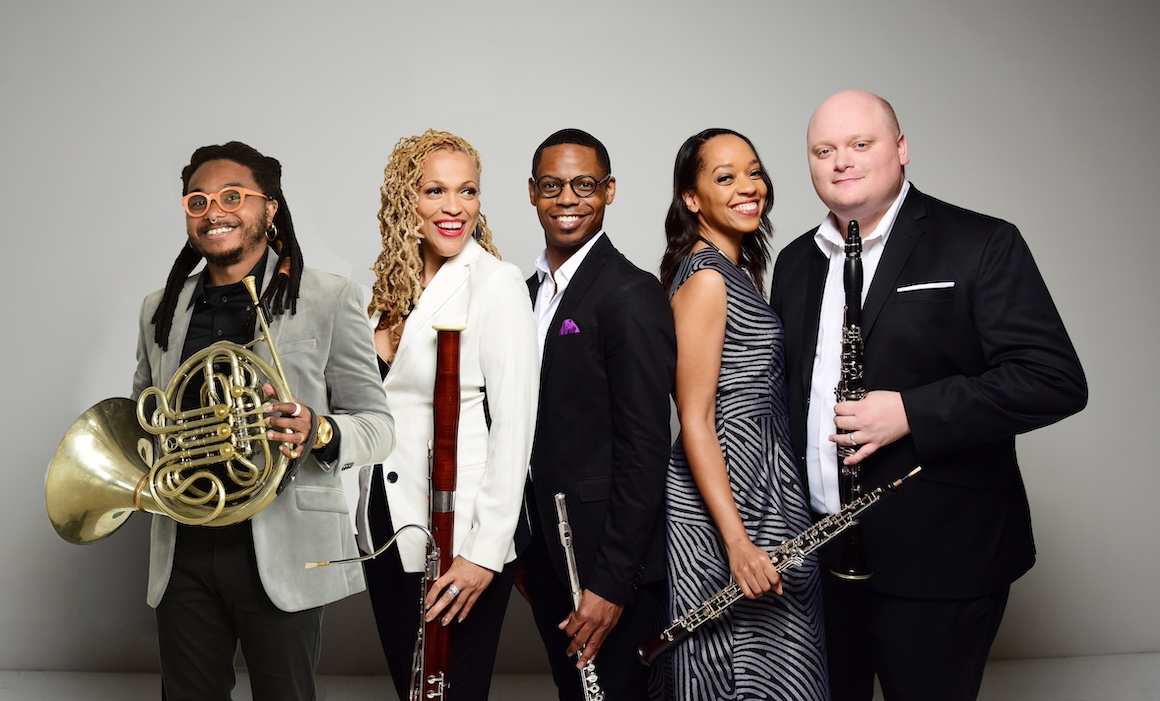
The opening concert of this year’s 21C festival was given by the Imani Winds (Brandon George Rule – flutes, Toyin Spellman-Diaz – oboe, Mark over – clarinet, Kevin Newton – horn and Monica Ellis – bassoon) and pianist Michelle Carr in Mazzoleni Hall on Saturday evening. It was a programme of 20th and 21st century works with a kind of French/jazz theme.
So what’s in store for Toronto early in the New Year?
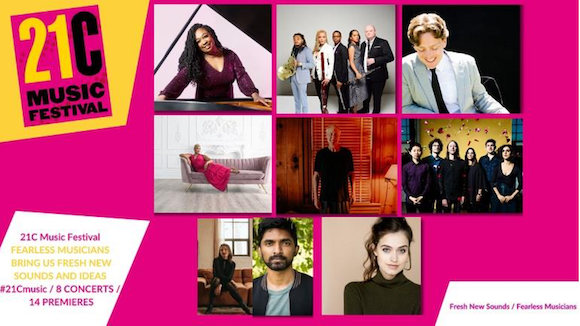
The 2025 edition of the 21C festival of contemporary music at the Royal Conservatory of Music basically runs from January 18th to 25th next year with an outlier in May. As usual it’s heavy on premières; World, North American and Canadian and there’s an intriguing mix of genres.

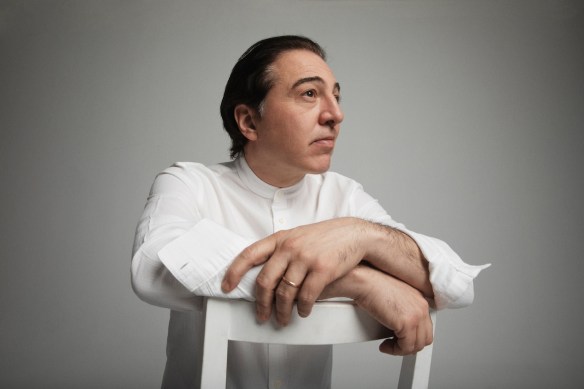
This year’s 21C Festival opened last night at Koerner Hall with Turkish pianist and composer Fazil Say performing some of his works with the help of a few friends. It was a pretty varied evening considering all the works were by one person. The opening pieces Gezi Park 2 and Gezi Park 3 are reflections on the Gezi Park protests of 2013. The first is for solo piano and is by turns dramatic and meditative. It uses a fair amount of extended piano technique and is highly virtuosic with great rhythmic complexity. In the second piece the composer was joined by a string quartet (Scott and Lara St. John – violins, Barry Scxhiffman – viola and Winona Zelenka – cello) and mezzo-soprano Beste Kalender. This work was both expressive and dramatic building on the musical language of the first piece with the additional textures of the strings (more extended technique) and a lot of rather beautiful vocalise from Beste. It’s an impressive piece.


Contemplating another production of “Carmen”
First a couple of 21C concerts inadvertently omitted from my January listings post. On the 19th in Koerner Hall there’s Fazil Say and friends (including Beste Kalender) in a programme of mostly Turkish music and in the late show in Temerty Theatre the following night Brian Current presents and conducts a concert titled Indigena.
So to February: Continue reading
Unruly Sun is a song cycle in 19 parts with music by Matthew Ricketts (left) and words by Mark Campbell (below). It’s inspired by Derek Jarman’s Modern Nature and was performed last night in Mazzoleni Hall by tenor Karim Sulayman accompanied by piano and string quintet. I was much more affected by this piece than I expected to be. The text covers a lot of ground; Jarman’s cottage at Dungeness with it’s bleak shingle beach and nuclear power station, AIDS and the loss of friends, a bad porn movie and, of course, Jarman’s garden (which also of course inspired Tm Albery’s Garden of Vanished Pleasures), and anger at Thatcher’s Britain and her indifference to those suffering from AIDS (c.f. Jarman’s The Last of England). These ideas are linked together by sections about plants and flowers and quotes from (I think) John Donne. So, the AIDS crisis and the burning tire fire of Thatcherism meets the Georgian tradition that links the Elizabethans to Edmund Blunden and beyond. It’s beautifully constructed and the somewhat minimalist, evocative and rather beautiful music supports without imposing itself. And the performance was stunning; beautiful singing, beautiful playing and cool projected images. Continue reading