
 This is a really interesting and unusual album. French mezzo-soprano Stéphanie d’Oustrac teams up with a small baroque ensemble, Le Poème Harmonique (accordion, theorbo, strings, bassoon/flute) led by Vincent Dumestre to present a selection of music that ranges from traditional songs through 17th century opera/oratorio arias to cabaret music and modern chansons.
The music is grouped into Three “life stages”; Jeunesse, Les vieux airs and Les amours passée; a sort of lifetime of music. I was really excited after the first four numbers because they were touching a whole bunch of things I really love; jazzy cabaret on played freely on baroque instruments, traditional music sounding a bit like a band like Malicorne, a freedom of vocal expression etc. It did quieten down a bit after that with arias by Cavalli and Monteverdi sung in a properly period appropriate way but also other music freely interpreted by all the musicians. It finishes up in a fun way too. There’s a very silly song; Les canards Tyroliens, which features yodelling and coloratura ducks. Then there’s a tango and a plangent rendering of the title track.
 Dame Ethel Smyth’s one act opera Der Wald is certainly of some historical interest. It was the first opera by a woman given at the Metropolitan Opera. That was in 1903 and 113 years would pass before the Met did another one; Kaija Saariaho’s L’Amour de loin in 2016.
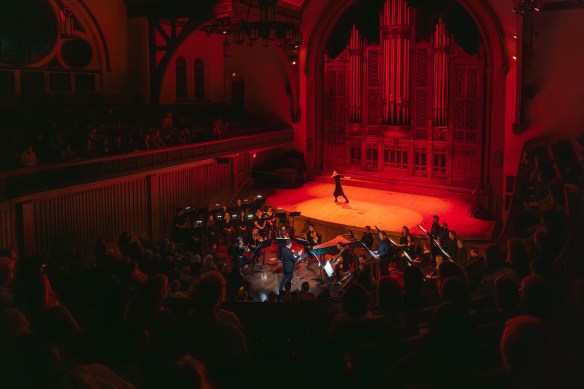
 Probably pretty much everyone is familiar with Géricault’s painting Le Radeau de la Méduse, depicting scenes of horror after a shipwreck. The story behind it is much less well known. The year is 1816 and a French expedition is off to reoccupy Senegal which had been occupied by the British during the recent wars. The flagship of the expedition is the frigate La Méduse, which carries the governor and his staff and so on. Well ahead of the rest of the flotilla, and out of sight, La Méduse runs aground and is eventually abandoned. The governor, the officers and other nobs take to the boats towing the rest of the crew (154 men and boys) on a hastily improvised raft. Finding progress too slow after 24 hours they cut the raft adrift. When the raft is finally spotted fifteen men are still alive. A fitting allegory for the Bourbon restoration perhaps.
  Here are a few shows that didn’t make it into earlier listing posts:
 On Saturday evening the COC presented a teaser concert for their 2023/24 season on the outdoor stage at Harbourfront. The weather stayed fair and there was no more than the usual aural background to distract a little from the music. The full orchestra under Johannes Debus was on display along with half a dozen members of the Ensemble Studio.
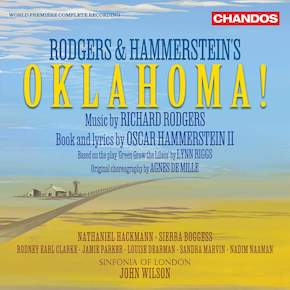 So, you may ask, what is Opera Ramblings doing reviewing a recording of Rodgers & Hammerstain’s Oklahoma!? Well, it’s a project in the same vein as my reviewing the Bru-Zane recordings of more or less forgotten late 18th and 19th century French operas. It’s an attempt to put the piece in the context of its early performances and also to look at how it was originally performed for, like many early 19th century French operas, if and when Oklahoma! does get performed it’s usually in a style very different from the original The occasion for doing so is a new Chandos recording that attempts to reconstruct the sound of the original 1943 Broadway run. That the recording is very high definition and released in SACD format only increased my interest.
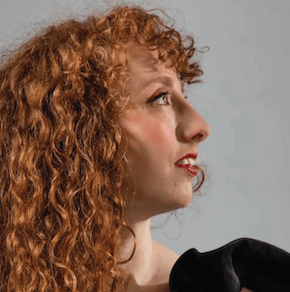 Saturday afternoon at 27 North Sherbourne Rachel Krehm and Janelle Fung presented an art song recital entitled The Enticing Sky. The material chosen was interesting with a heavy bias to women composers, living composers and Canadian composers; sometimes all three at once.
 operaramblings