
Lynn Isnar – wearing one of the dresses she wore yesterday
Calixa Lavallée’s main, perhaps only, claim to fame is that he wrote the music for O Canada! He also wrote an operetta, The Widow. Yesterday I saw it at Toronto Operetta Theatre in a production by Guillermo Silva-Marin. It’s pretty silly. The plot turns on a scheming widow who pretends to drown herself while most of the rest of the characters pretend either to be someone else, or to be married to someone else, or both. Still, it’s fast paced and quite funny and the various sillinesses work out more or less logically. The music is pleasant and well crafted but not strikingly original. I don’t think I actually recall a single tune. So, a worthwhile enough piece but hardly an undiscovered masterpiece.
The production, in variations on concert wear for the most part, was quite kinetic with lots of rushing about and some dance elements. There are probably more entrances and exits than a Brian Rix farce (and for much the same reasons) so that helps. Performances were pretty good. Julie Nesrallah struck the right note as the somewhat overripe Spanish widow Donna Paquita de something-something-something. She sang well and her knowing, almost wink-at-the-audience, approach was just shy of over the top. It made a good anchor. The vocal star was Lynn Isnar as Nanine. It’s classic operetta soubrette territory and her bright tone, easy top and controlled coloratura were just right. She has a nice sense of timing too. Her aria which opened the second act was the vocal highlight of the afternoon. The rest of the cast was made up of TOT regulars and young singers. Everyone sang well and the acting was also good. The young lovers, of both flavours, were appropriately decorative and there was a bumbling ineffectual aristo for Greg Finney to play. Michael Rose accompanied perfectly competently at the piano. So, basically, all operetta boxes ticked.
All in all, a pleasant enough way to spend a really gloomy November Sunday afternoon.



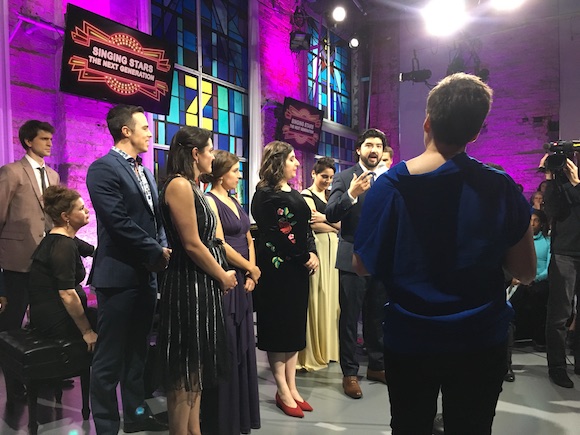
 Coming up this next week. Tomorrow Toronto Operetta Theatre are performing Calixa Lavallée’s The Widow. He’s the dude who wrote the music for O Canada! so no idea what to expect. It’s at the Jane Mallett Theatre at 3pm. Monday at 7pm at the Zoomerplex is the IRCPA Singing Stars of Tomorrow concert. My interview with Brett Polegato about it is
  The latest issue of Opera Canada arrived in my mailbox yesterday. It’s the first issue produced by Gianmarco Segato as editor and there are a few noticeable changes. The general structure and look is the same but there are some new bylines. I noticed Sara Schabas has a rather good piece on Marie Clements. I’d bet a fiver that Sara is the youngest contributor to the mag in a while. There’s also an article by Dean Burry on the Canadian Children’s Opera Company tour of Brundibár to the Czech Republic, Poland and Hungary including a trip to Terezín. The obituaries include, sadly, Émile Belcourt who I saw sing Loge at ENO back in the 70s in the memorable run of The Rhinegold conducted by Reginald Goodall.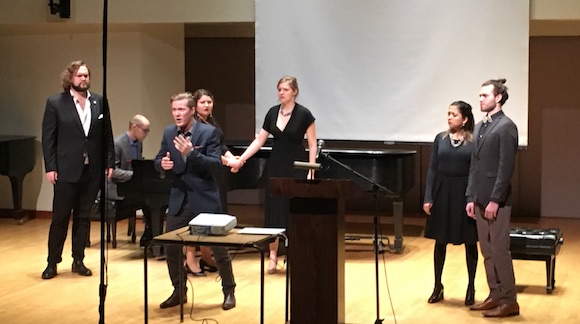
 operaramblings