
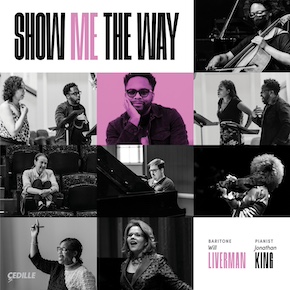
 Show Me The Way is a new double CD from baritone Will Liverman, pianist Jonathan King and various collaborators featuring vocal works by female American composers. It draws on a wide range of influences from Ella Fitzgerald to Will’s mother.
There are several song cycles; some composed for the album or not previously recorded. There’s A Sable Jubilee with music by Jasmine Barnes and text by Tesia Kwarteng. It’s a celebration of “blackness” in various moods incorporating jazz influences into a complex tonal structure. It’s beautifully sung by Liverman and very skilfully accompanied by King on piano. Continue reading
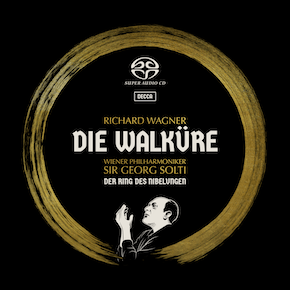 I have now had a chance to listen to the new SACD release of the 1965 Solti recording of Wagner’s Die Walküre. (For some reason Das Rheingold hasn’t arrived yet). I’m not going to do a detailed review of the performance since pretty much everything that could be said about it has been, and by people better qualified than me. As you might expect for a recording twice voted “recording of the century”. I’ve also already written about the technical details of the new transfer in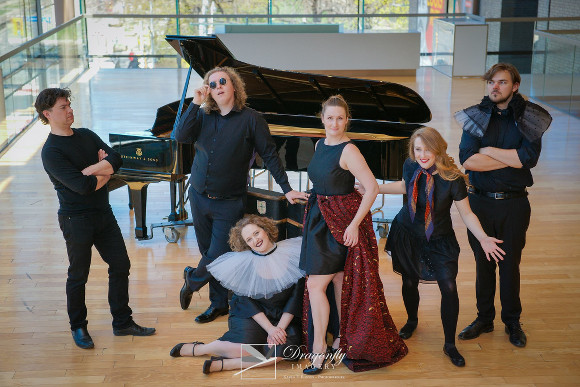
 On the face of it the idea of reorganising Schubert’s Winterreise for three female voices and staging it as a kind of allegory isn’t an obvious one but Collectìf’s As a Stranger worked remarkably well. The arrangement and distribution of the numbers was judicious; most of the songs went to a single singer, some were split and occasional and effective use was made of two or three voices in unison. The idea behind the split being to make mezzo Whitney O’Hearne the narrator/traveller while sopranos Jennifer Krabbe and Danika Lorèn embodied the malign and benign aspects/characters of the story. Heliconian Hall doesn’t offer a lot in the way of staging possibilities but well thought out costumes, a few props and a considerable, and quite sophisticated, video element added up to a pretty satisfying experience. In the last number Jennifer relieved Tom King at the piano to allow the Leierman to stagger off into the wintry night. All well thought out and well executed.


 operaramblings