
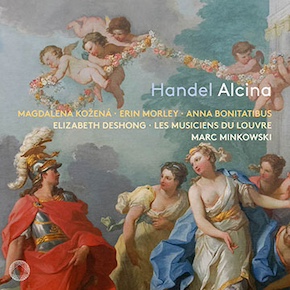
 The new recording of Handel’s Alcina from Marc Minkowski, Les musiciens du Louvre and a rather starry line up of soloists is very good and quite interesting. It’s very complete. As far as I can tell all the ballet/dance music is included and so are all the Oberto scenes and all his arias. In all the staged performances I’ve seen (live or video) one or both are usually heavily truncated and I have seen versions where Oberto doesn’t feature at all.
There was one thing that puzzled me a bit. The relatively large (40 or so) orchestra includes trumpets and bassoons but not horns. I think this is unusual but maybe someone more knowledgeable might comment? In any event there’s some really good playing, quite often at very fast tempi in the instrumental sections. Minkowski also gets a really wide range of colours from the orchestra. A good example is the low strings in “È gelosia”. Continue reading
 Opera Atelier have announced the line up for their 2024/25 season. As with other recent seasons there’s one show at the Elgin Theatre and one at Koerner Hall.
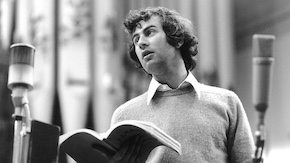 Iconic British countertenor James Bowman passed away last March. On Sunday night at Trinity-St. Pauls the Early Music folks at UoT presented a tribute to the man and his career. It was very well done. Music associated with Bowman; mostly Purcell and Britten, was interspersed with video and personal recollections/testimonials that fully reflected the considerable influence Bowman had on the English music scene and on the more widespread acceptance of the countertenor voice in the classical music world generally.
  Handel’s Theodora is probably performed more nowadays as a staged opera than as an oratorio. The same is true for several of his other English language oratorios; notably Semele. It was in that format I was introduced to Theodora by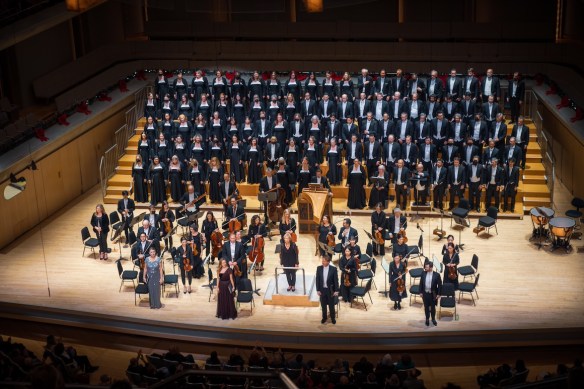

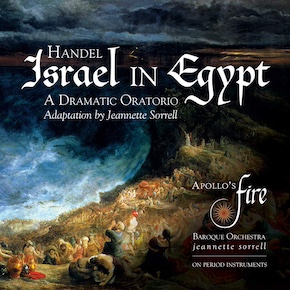 Handel’s Israel in Egypt is one of the less well known of his English language oratorios. It’s also got a bit of an ofdd performance history with the first of the three acts often omitted. The new recording from period instrument ensemble Apollo’s Fire includes all three acts but omits some numbers and shortens others in a selection made by music director Jeannette Sorrell. This appears not to be uncommon. A quick scan of available recordings revealed performance durations of anywhere from 75 minutes to 150 minutes. This one comes in right on the bottom end of that range.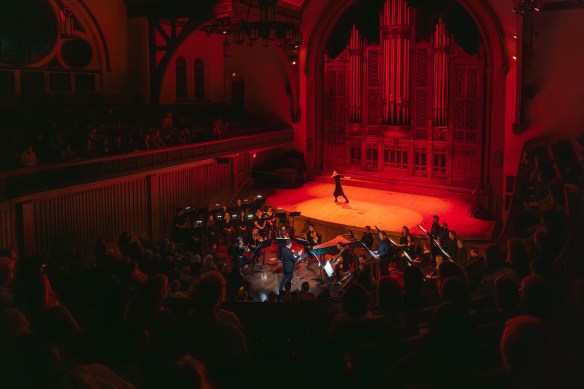
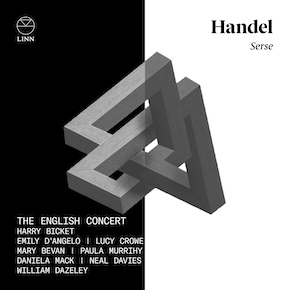 I don’t review a lot of full length audio only recordings of mainstream operas. Generally I think video makes more sense but sometimes something comes along that attracts my attention. The recent recording of Handel’s Serse by the English Concert with Harry Bicket was one such. This time it’s the cast that caught my attention. There’s Emily d’Angelo (are we allowed to call her “young” or “emerging” any more?) in the title role but also such fine Handel singers as Lucy Crowe as Romilda and Mary Bevan as Atalanta. As it turns out there’s not a weak link in the cast and while these three turn in fine performances so do Daniela Mack (Amastre), Paula Murrihy (Arsamene), Neal Davies (Ariodata) and William Dazeley (Elviro).
  It’s a bit of a thing with me. I tend to prefer staged versions of the Handel English language oratorios to the Italian operas. I know it’s a view I share with quite a few singers, including Ryan McDonald and Anna Sharpe with whom I was chatting about it on the weekend. But, it would seem, this opinion is not shared by opera house managements (not to be confused with audiences!).
