Here’s some of what January has to offer…
Toronto Operetta Theatre is doing Imre Kalman’s The Czardas Princess over the New Year holiday. It’s st the Jane Mallett Theatre and there are shows on December 30th and January 2nd, 3rd and 4th.
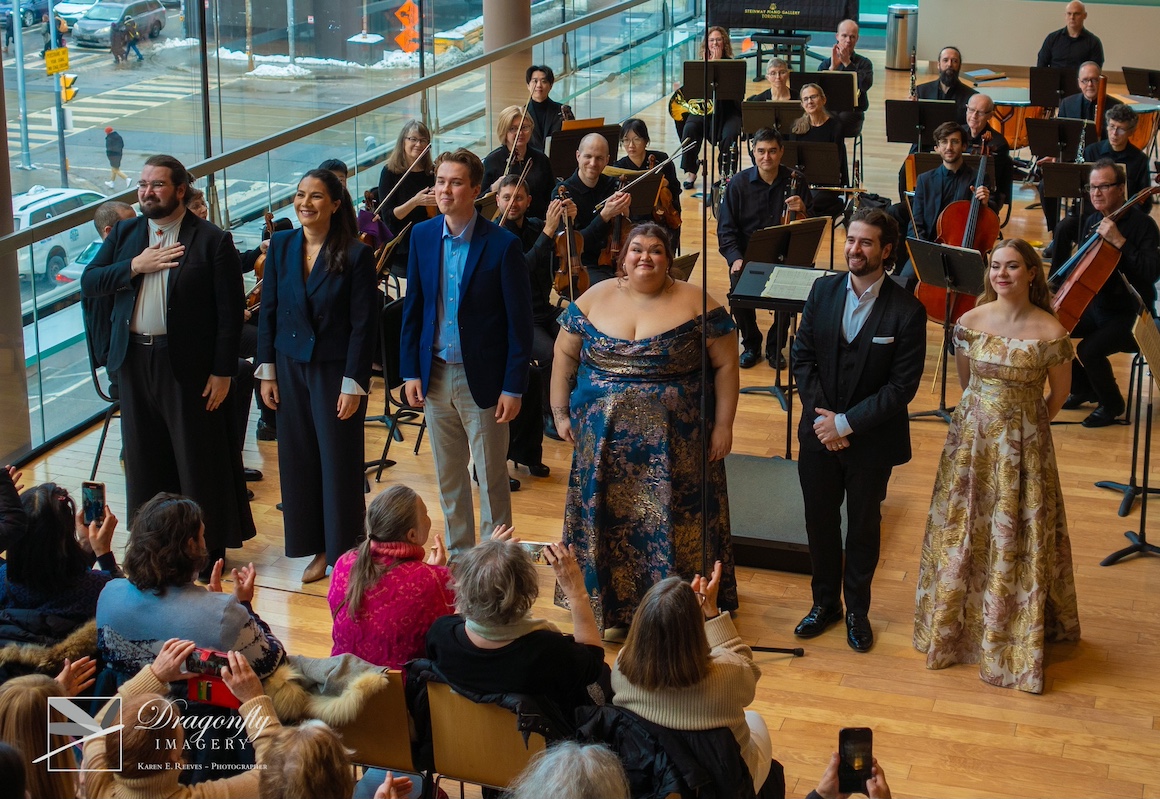
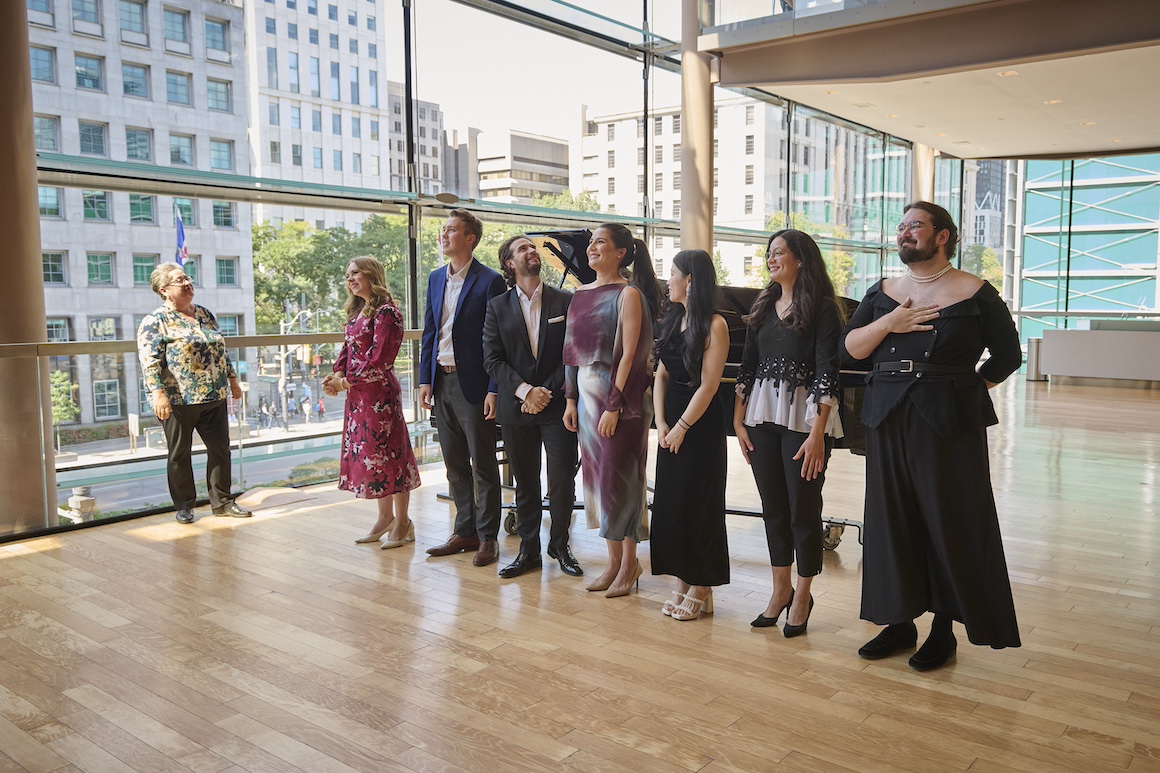
Tuesday lunchtime in the RBA saw the traditional annual holiday gig by the (much depleted by sickness etc) Ensemble Studio. Last minute drop outs meant it was pretty short but what there was was very decent.
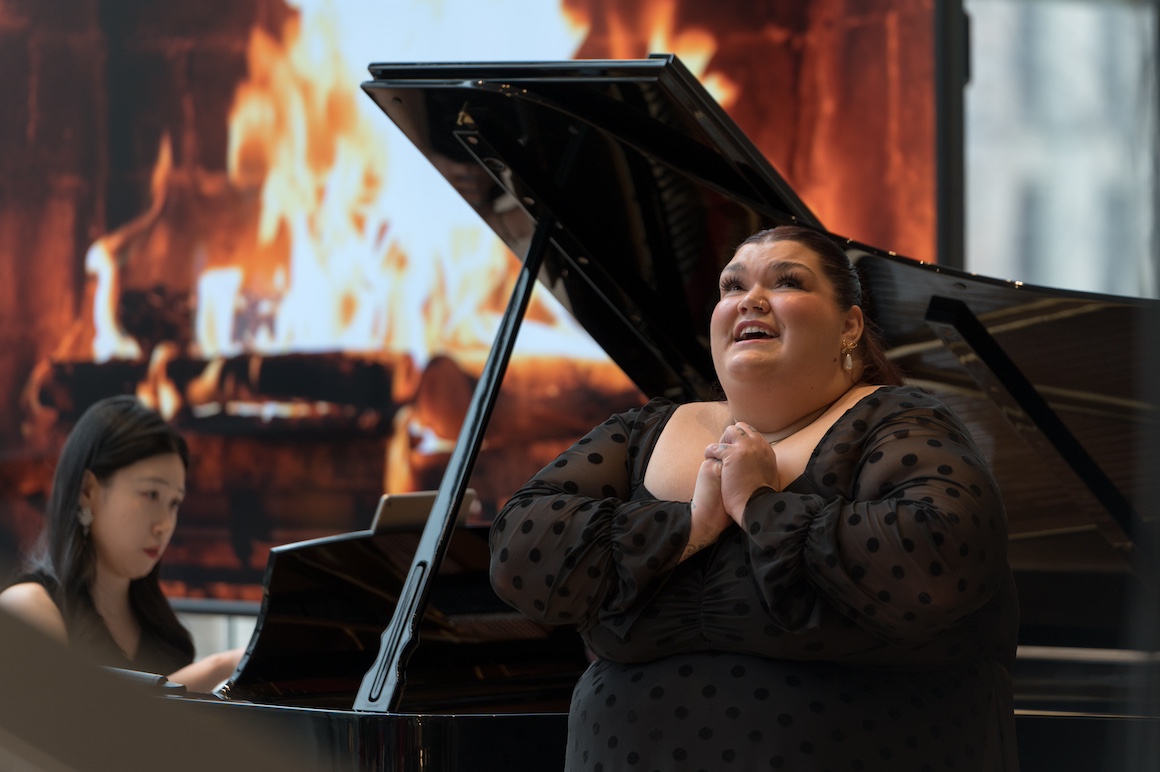
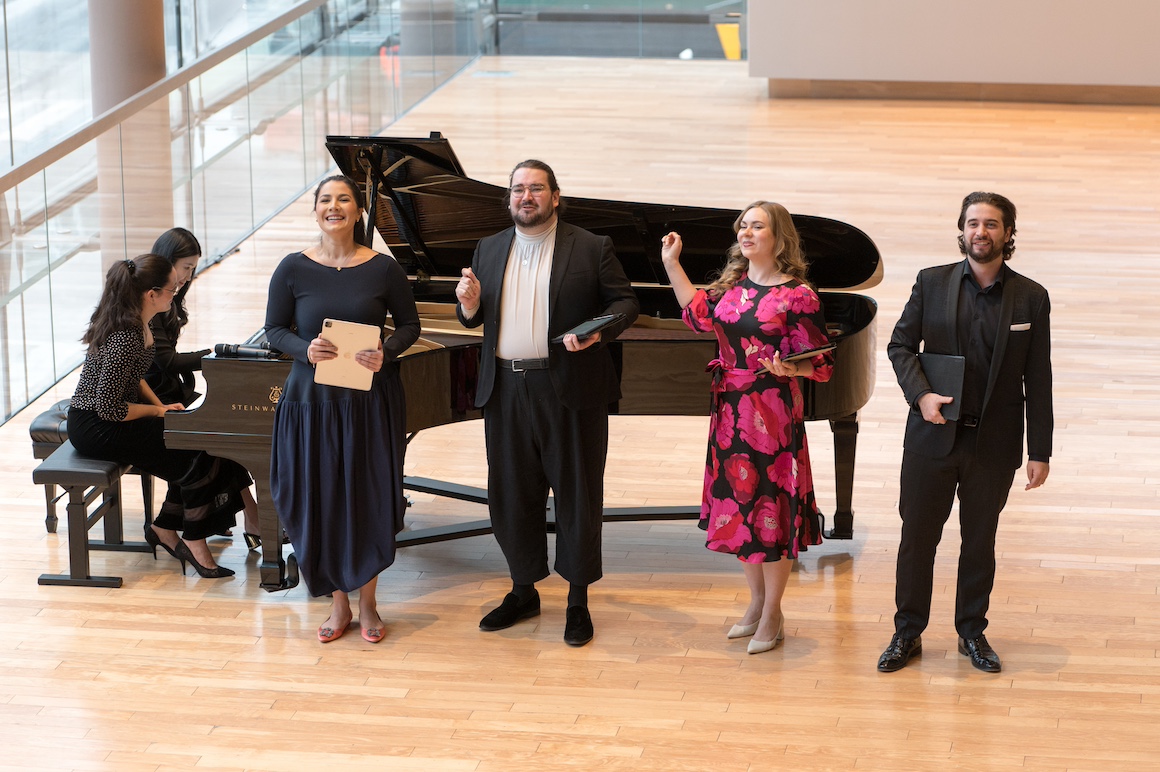
Last Tuesdays’s concert in the RBA featured four singers and two pianists from the Ensemble Studio in a concert of highly recognisable opera arias. I guess with Barber of Seville and Rigoletto coming p on the FSC stage that was a bit inevitable. It was though very well done with all four singers not only singing well but really conveying a sense of character.
‘Tis the season of family holiday shows and Messiahs. Not that I’m planning to do much of either but here are some shows that you might be interested in…
The free concert series in the RBA kicked off on Wednesday with, as usual, a performance by the artists of the COC’s Ensemble Studio. Owing to illness only five singers performed and only one of those, Emily Rocha, was a returnee. The other four singers and both pianists were newcomers. It was short but enjoyable.
The first of this year’s Les Adieux concerts for departing members of the Ensemble Studio took place Tuesday lunchtime in the RBA. It was supposed to feature Brian Cho, Mattia Senesi, Korin Thomas-Smith and Karoline Podolak but Karoline was indisposed so Emily Rocha (not leaving) jumped in at the last minute.
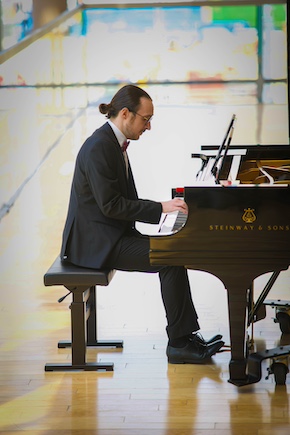
The rearranged programme worked pretty well with maybe a bit more opportunity for the pianists. Sio, Mattia played the Intermezzo from Brahms’ Op 118. No. 2, which was very nicely done and Brian closed things out with just the piano part from Schumann’s Widmung which works surprisingly well, at least if one is familiar with the song. Continue reading
Dmitri Shostakovich died on 9th August 1975; the day after my 18th birthday and I remember the feeling of sadness and hurt I felt when I heard the news. The 50th anniversary is being celebrated by a fair number of concerts featuring the great man’s works including one given my members of the COC Ensemble Studio in the RBA on Thursday.
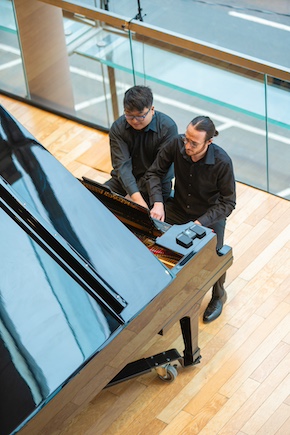
The material featured was comparatively unknown even by the standards of Shostakovich songs which are, in general, much less well known than his symphonic and chamber works. Matters started playfully enough with a four hands arrangement of Waltz No.2 played with appropriate whimsy by Brian Cho and Mattia Senesi It was followed by the first of two sets by Duncan Stenhouse; two of the songs from Four Romances on Poems by Pushkin, Op.46. Using text by Pushkin allowed the composer to express sentiments about authority that would otherwise have been very risky and these pieces are sombre. They were very solidly sung with some impressive floaty high notes, variation of colour and fine work by Senesi. Shostakovich rarely lets one forget he started out as a pianist! Continue reading
Before looking forward to next month I want to mention a couple of things this weekend that I haven’t previously noticed. Saturday (Jan 25th) at 12.30pm there is a Met HD broadcast of new production of Aida with a pretty interesting looking cast. Later, at 6pm there’s a rather special concert at the Arts and letters Club to celebrate the 100th birthday of Morry Kernerman (former assistant concertmaster of both the TSO and OSM). The concert is presented by Canzona Chamber Players and wiull feature Trio Uchida-Crozman-Chiu. Continue reading
Tuesday’s RBA concert with members of the Ensemble Studio was themed around composer rivalries though not the really toxic ones. No Mozart/Salieri or Wagner/Meyerbeer here! The most convincing as a rivalry was the first; Berlioz vs Rossini. So Queen Hezumuryango sang “Le spectre de la rose” with some sensitive handling of the text and a pretty fiery “Cruda sorte” from L’Italiana in Algeri with plenty of emotion. I definitely like her voice more when she’s going for drama as she’s got plenty of power and expressiveness.
Next up was Duncan Stenhouse with four pieces that illustrated the complex relationship between Brahms, Wagner and Dvořák. “Der Tod, das ist die kühle Nacht” from the Vier Lieder Op. 96 and “Při řekách babylonských” from the Biblické písně were sung with excellent control and expressiveness but if there’s a connection it’s not obvious to me. The two operatic pieces though; “Běda!, Běda!” from Rusalka and “Abendlich strahlt der Sonne Auge” from Das Rheingold have, I think, more obvious affinities; both dramatically and musically. Both were very well sung. It’s so good to have a genuine bass in the Ensemble again! Continue reading