
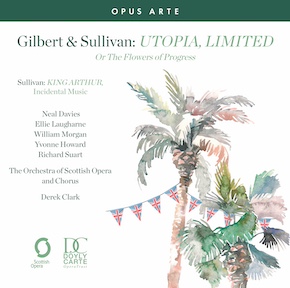
 I was curious about Scottish Opera’s new recording of Gilbert and Sullivan’s Utopia, Limited because it’s a G&S I’ve not heard before. It’s a late work and was less successful than its better known predecessors. The plot concerns an island in the “South Seas” where the king is so taken with all things English that he sends his daughter to Cambridge and has her return with a bevy of English worthies including Captain Joseph Corcoran KCB. Eventually the king enacts all kinds of reforms including turning the entire population into limited liability companies. They revolt but the day is saved by Princess Zara pointing out that with party government all the reforms will inevitably be repealed after the next election. Continue reading
Utopia, Limited
Reply
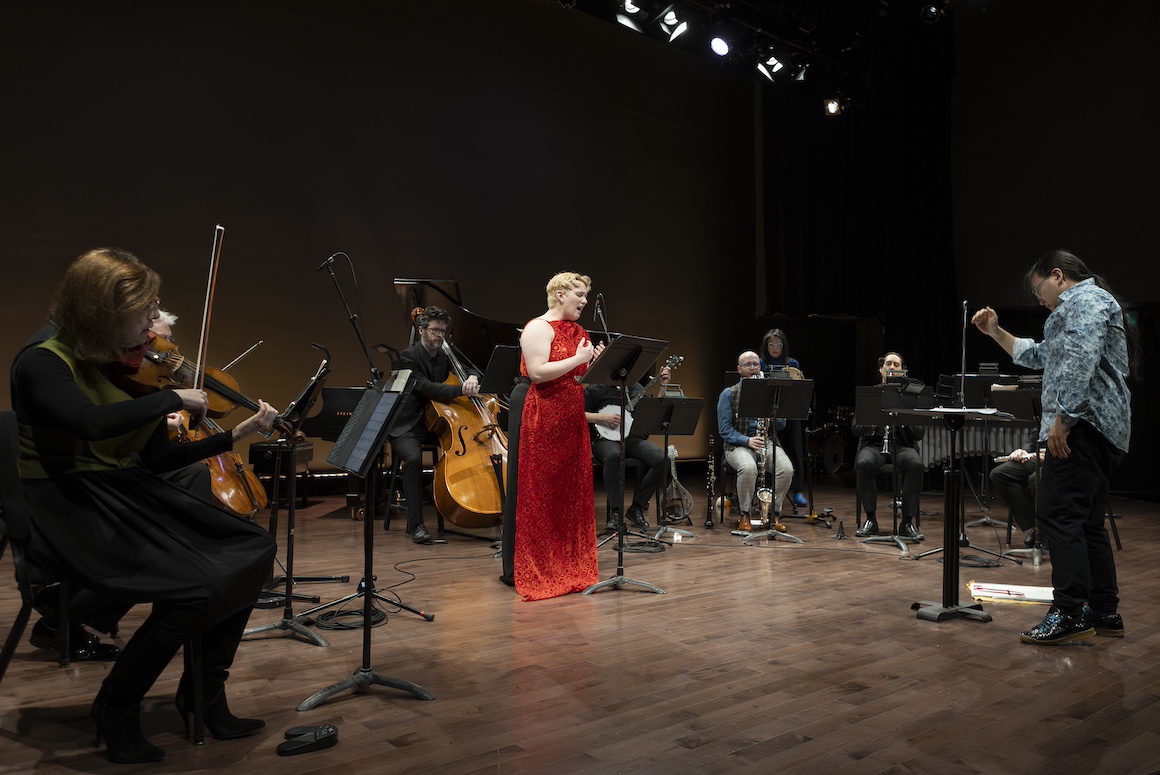
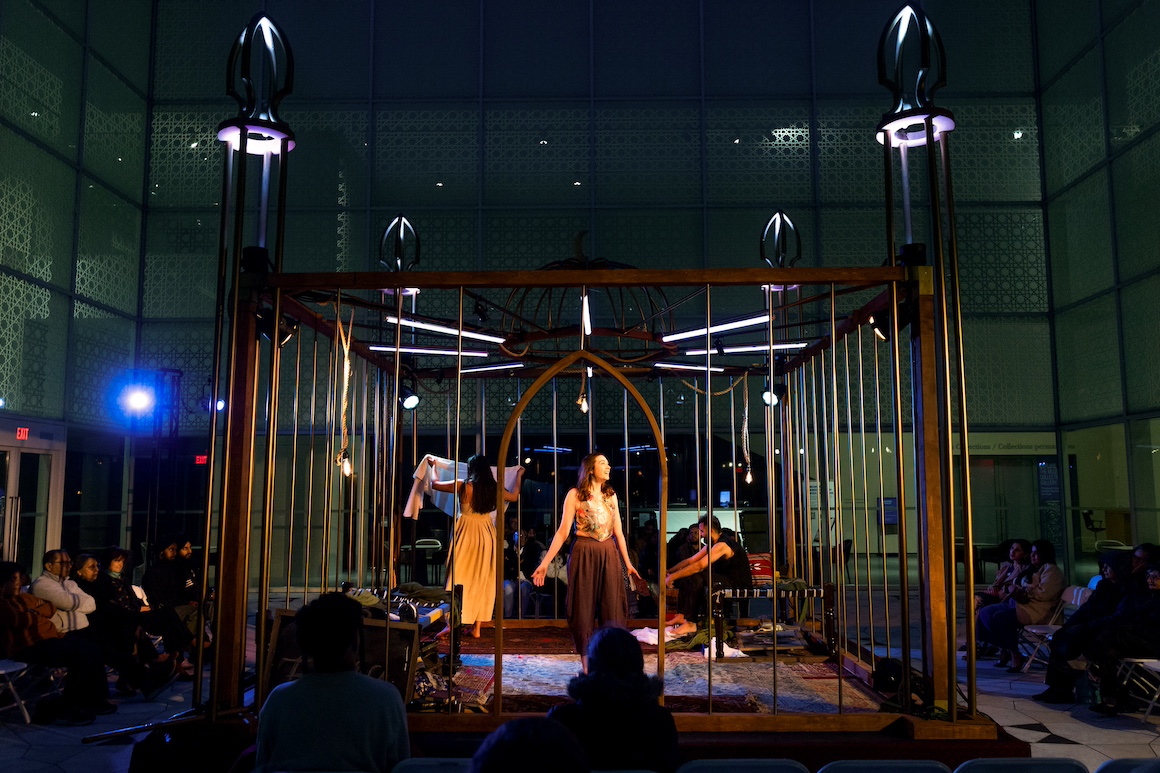
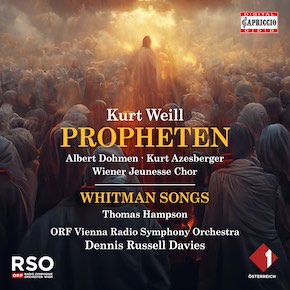 One of the strangest records of Kurt Weill’s music that I have ever listened to has just come my way. There are two pieces involved; Propheten and Four Walt Whitman Songs. Propheten has its roots in Weill’s six hour long, Old Testament inspired, opera The Eternal Road which premiered at the Manhattan Opera House in 1937 with a cast of 245 and which ran for 153 performances before, perhaps unsurprisingly, disappearing for a long,long time. Propheten is a 1998 adaptation of the last act by David Drew using the original German text by Franz Werfel plus biblical quotations and additional orchestration by Noam Sheriff. It basically deals with the sack of Jerusalem by Nebuchadnezzar and comes in at a more digestible 45 minutes.
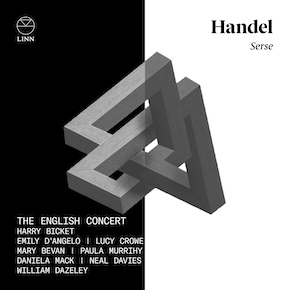 I don’t review a lot of full length audio only recordings of mainstream operas. Generally I think video makes more sense but sometimes something comes along that attracts my attention. The recent recording of Handel’s Serse by the English Concert with Harry Bicket was one such. This time it’s the cast that caught my attention. There’s Emily d’Angelo (are we allowed to call her “young” or “emerging” any more?) in the title role but also such fine Handel singers as Lucy Crowe as Romilda and Mary Bevan as Atalanta. As it turns out there’s not a weak link in the cast and while these three turn in fine performances so do Daniela Mack (Amastre), Paula Murrihy (Arsamene), Neal Davies (Ariodata) and William Dazeley (Elviro).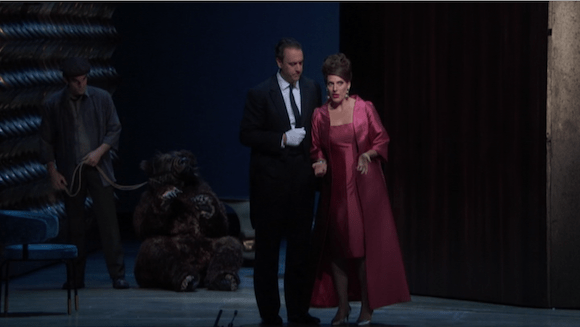
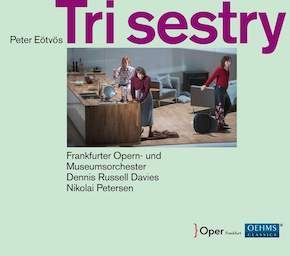 Peter Eötvös’ 1998 opera Tri sestry is based on the Chekhov play and was recorded live at Oper Frankfurt in 2018. It takes fragments of the original Russian play and recombines them in a non-linear way to create a prologue and three “Sequences” from the points of view of Irina, Andrei and Mascha repectively. The recombination is complex enough for the accompanying booklet to contain a table mapping Chekhov’s scene order to Eötvös’. There’s no libretto in the CD package so even flipping between the (fairly detailed) synopsis and the track listing it’s hard to figure out who is singing or about what. No doubt this was much clearer when watching the stage production.
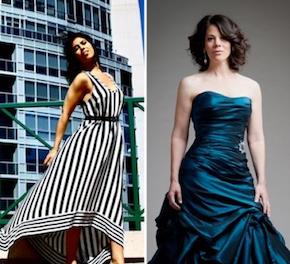 Not much sign of spring as we move into the second half of the month but there are some things musical to enjoy while we await the return of the sun. On March 18th at 2pm in Mazzoleni Hall there is You’re Welcome Rossini with the glamorous duo of Allyson McHardy and, the not seen often enough in Toronto, Lucia Cesaroni. This one is officially sold out but there may be rushes. Ten bucks says they do the Cat duet.
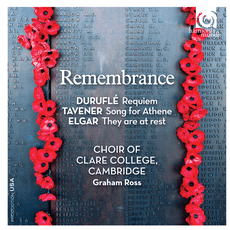 Remembrance is a new CD, on the Harmonia Mundi label, from the Choir of Clare College and their director Graham Ross to be released October 21st in time for poppy season. The main event is a performance of Duruflé’s Requiem given here in the composer’s organ reduction. It’s recorded in Lincoln Cathedral with its great Father Willis organ. It’s a very polished performance with a fair bit of drama. There’s some lovely singing and cello playing from mezzo Jennifer Johnston and cellist Guy Johnston in the Pie Jesu and bass Neal Davies also makes a couple of trenchant contributions. It’s not one of the most performed requiems but definitely worth a listen.
  operaramblings