
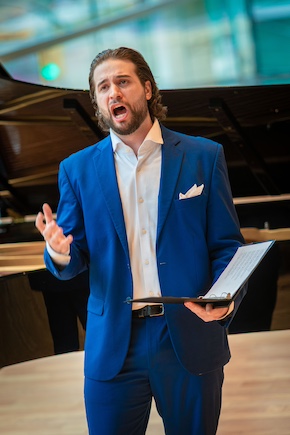
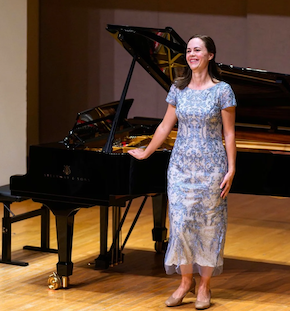
 Thursday’s RBA concert featured members of the Ensemble Studio singing German Lieder. First up were tenor Angelo Moretti and pianist Kimly Wang with Beethoven’s An die ferne Geliebte. Although this is probably the first true “song cycle” in German I feel it doesn’t get done nearly as often as the better known Schubert and Schumann cycles and it’s really pretty interesting. I think it was also my first time hearing Angelo sing in German and he’s really very good. This was a well articulated, rather beautifully sung set with equally skilled accompaniment. Continue reading
Lieder Nachmittag
Reply
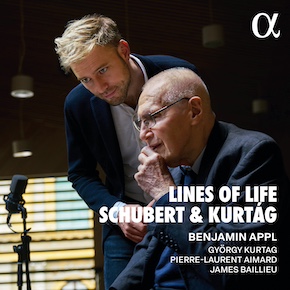 Lines of Life is a CD produced out of a deep collaboration between German baritone Benjamin Appl and Hungarian composer György Kurtág. It’s a mixture of works by Schubert and Kurtág (with one song by Brahms at the end). It centers on Kurtág’s Hölderlin-Gesänge Op.35a but there are other Kurtág works on the disk too, Most of these are sung a capella but there are four settings of texts by Ulrike Schuster that have piano accompaniment (Pierre-Laurent Aimard). The Schubert songs feature James Baillieu on piano except for the last one, and the Brahms, where Kurtág himself accompanies.
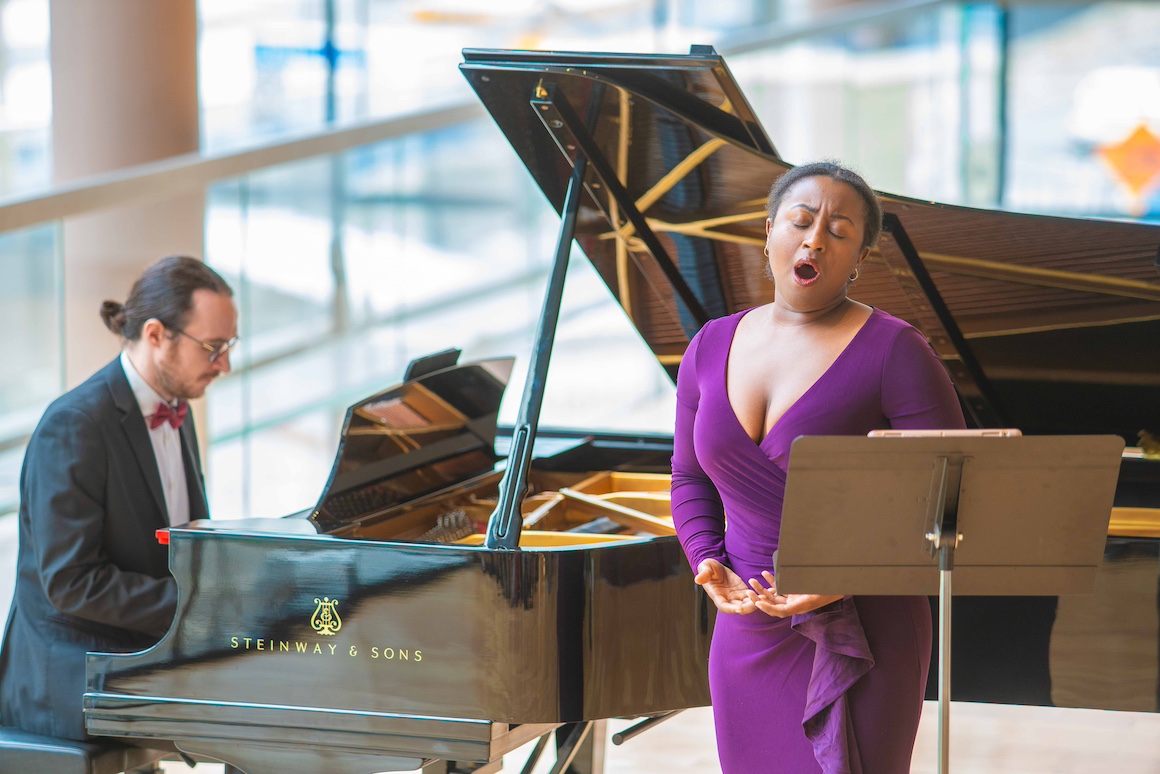
 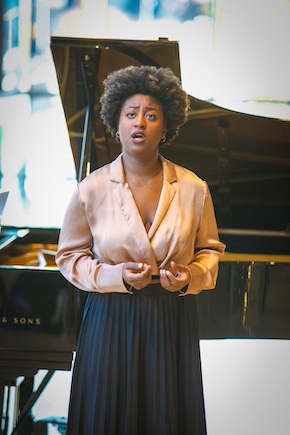 Tuesday’s RBA concert with members of the Ensemble Studio was themed around composer rivalries though not the really toxic ones. No Mozart/Salieri or Wagner/Meyerbeer here! The most convincing as a rivalry was the first; Berlioz vs Rossini. So Queen Hezumuryango sang “Le spectre de la rose” with some sensitive handling of the text and a pretty fiery “Cruda sorte” from L’Italiana in Algeri with plenty of emotion. I definitely like her voice more when she’s going for drama as she’s got plenty of power and expressiveness.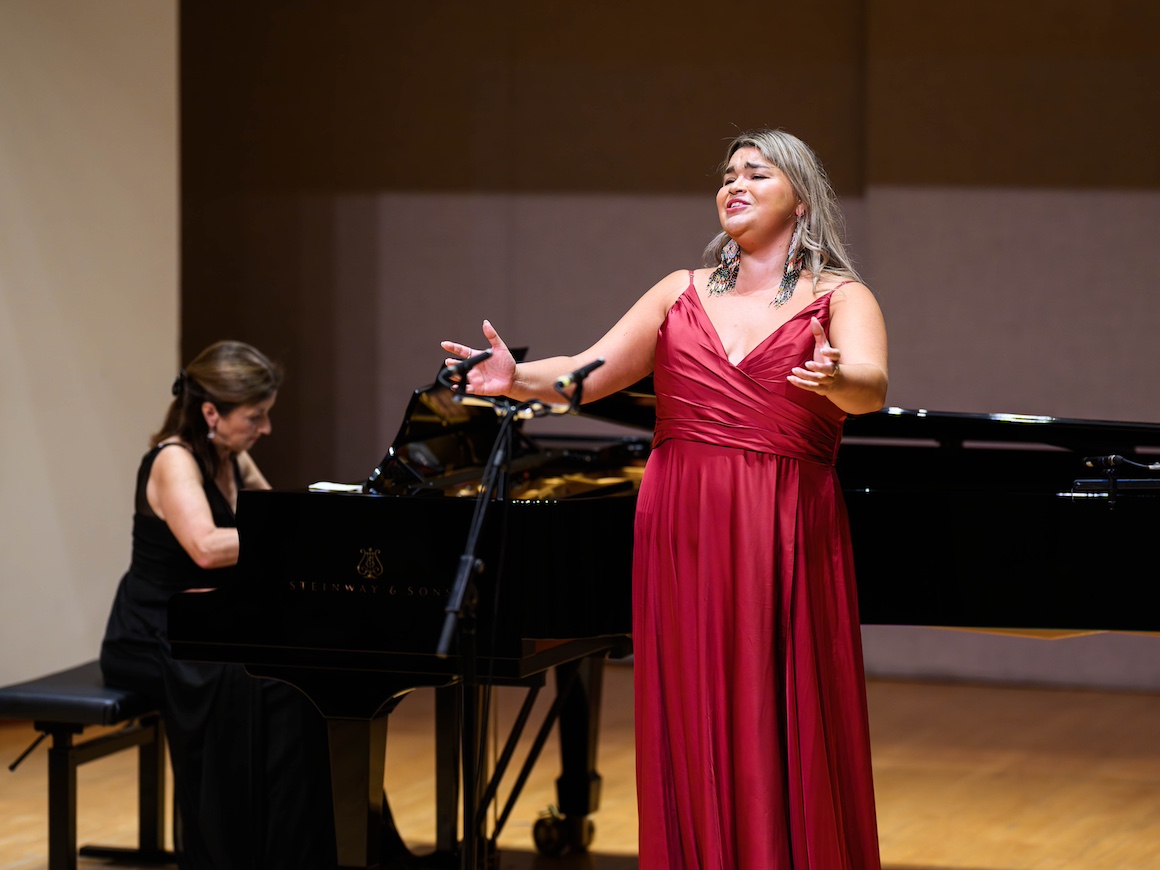
 operaramblings