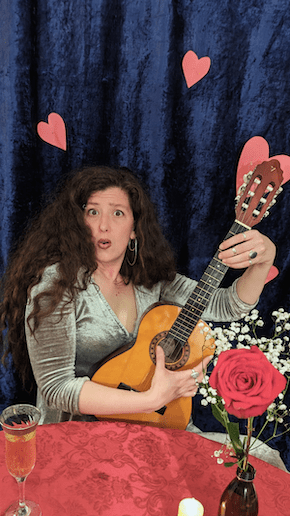
 You might have noticed I’ve been expanding my horizons a bit recently. Saturday night was no exception. I was at The Toronto Sketch Comedy Festival at the Theatre Centre for a double bill of sketch comedy. I don’t think I’ve seen sketch comedy live since university so I really didn’t know what to expect.
We were in the BMO Incubator which sounds like the sort of place one would clone investment bankers rather than see a show but whatever. The first shock/surprise was the MC for the evening. He was trying so hard to create “atmosphere”. It was weirdly like a concert at the Zoomerplex only more so. You know like when some hapless stage manager comes out and does a sort of Kermit impersonation… “Let’s hear it for Mozart’s Piano Sonata No.16 in C major, K.545.. YEAH”…CLAP, CLAP, CLAP. It was like that but with dancing and more clapping. Continue reading →


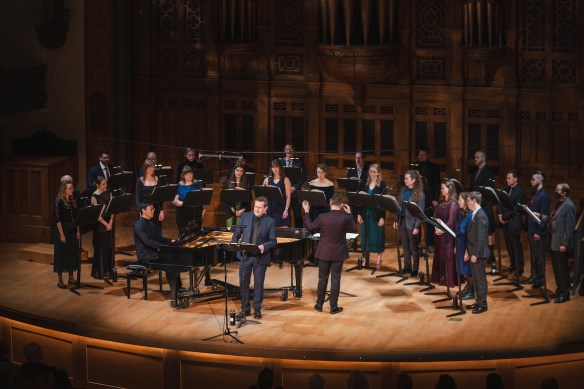

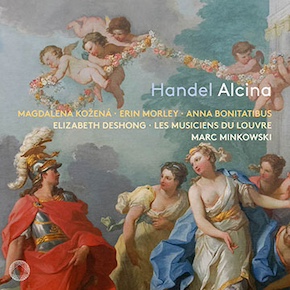 The new recording of Handel’s Alcina from Marc Minkowski, Les musiciens du Louvre and a rather starry line up of soloists is very good and quite interesting. It’s very complete. As far as I can tell all the ballet/dance music is included and so are all the Oberto scenes and all his arias. In all the staged performances I’ve seen (live or video) one or both are usually heavily truncated and I have seen versions where Oberto doesn’t feature at all.

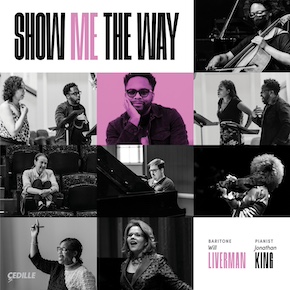 Show Me The Way is a new double CD from baritone Will Liverman, pianist Jonathan King and various collaborators featuring vocal works by female American composers. It draws on a wide range of influences from Ella Fitzgerald to Will’s mother.
