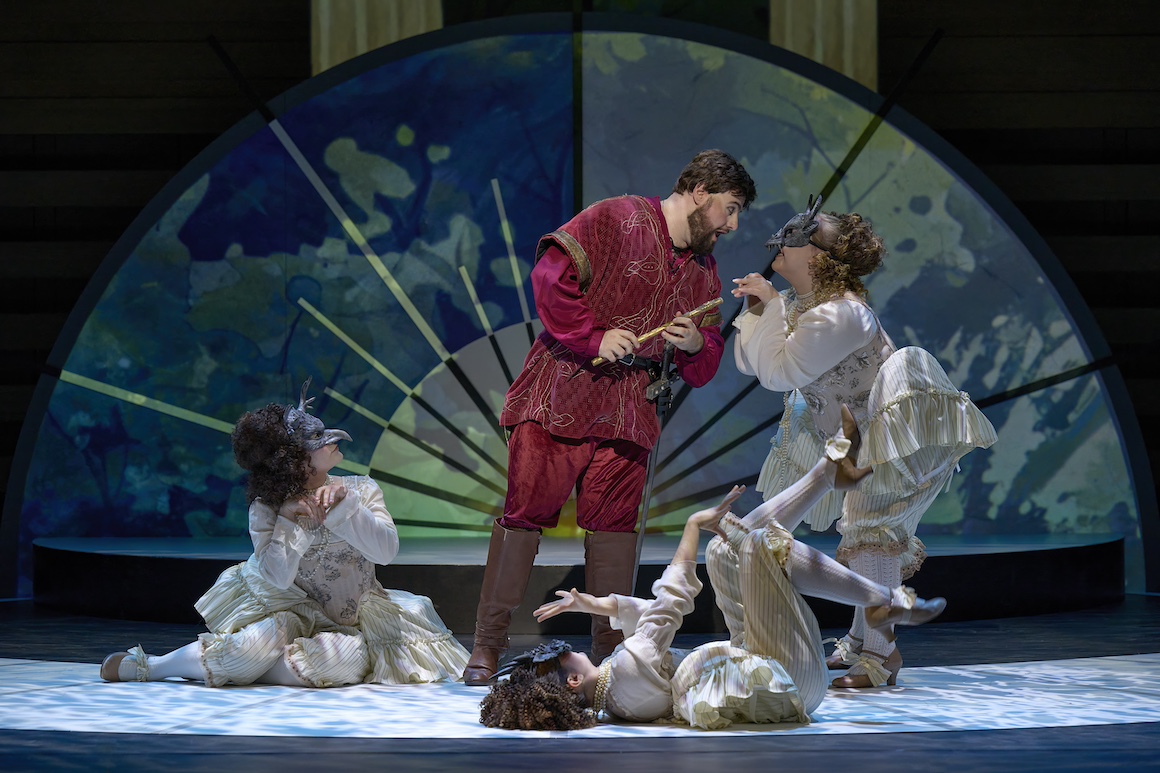
Resphigi’s 1931 work Maria Egiziaca was originally conceived as a concert work but very early on it became more common to perform it fully staged. That’s how it’s presented in a production earlier this year from Venice’s Teatro La Fenice though it actually took place in the smaller Teatro Maliban. It’s quite a short work; a little over an hour, and as the composer’s description of it as a “symphonic triptych” suggests it takes place in three scenes.


So what’s in store for Toronto early in the New Year?
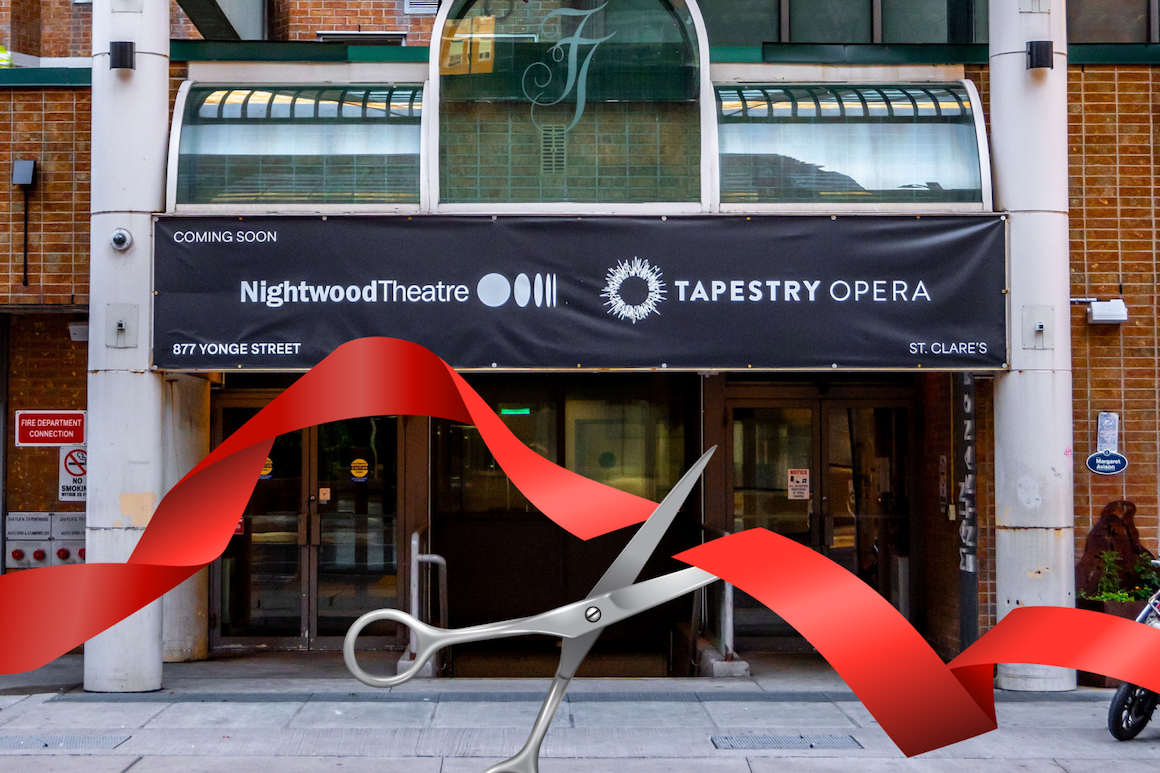
The Toronto opera scene is still a bit flat and lacking the vibrancy of pre-pandemic with Against the Grain pretty much invisible and Tapestry wrapped up in building out their new digs. Still, there were some good shows. The best of the CCC’s offerings, IMO, were Cherubini’s 
Lines of Life is a CD produced out of a deep collaboration between German baritone Benjamin Appl and Hungarian composer György Kurtág. It’s a mixture of works by Schubert and Kurtág (with one song by Brahms at the end). It centers on Kurtág’s Hölderlin-Gesänge Op.35a but there are other Kurtág works on the disk too, Most of these are sung a capella but there are four settings of texts by Ulrike Schuster that have piano accompaniment (Pierre-Laurent Aimard). The Schubert songs feature James Baillieu on piano except for the last one, and the Brahms, where Kurtág himself accompanies.
Rachel Fenlon is a very rare, perhaps unique, talent. She’s the only Lieder singer I know who accompanies herself on the piano. 
Transpositions is an unusual album in more than one way. For starters, the music is composed by a duo; Unsettled Scores consisting of Spy Dénommé-Welch and Catherine Magowan. These are the folks responsible for