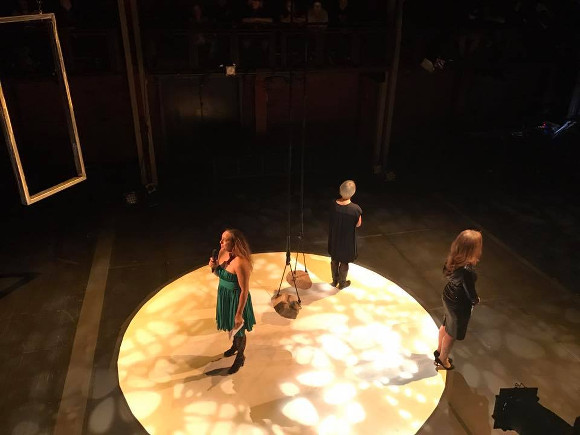
Balancing on the Edge combines the talents of A Girl in the Sky Productions and the Thin Edge New Music Collective. It’s a challenging and exciting blend of New Circus and Contemporary Music (for some definition of both/either). The circus element included aerialists, juggling and clowns while the music varied from Cage and Xenakis to pieces composed for the show. There were live projections too. The show was divided into six “acts” with some clowning interludes and other breaks for set up but mostly it was pretty fluid. The performance space, the Harbourfront Theatre, was pretty much cleared down to a single ring of seats at ground level with more seating in the galleries, which allowed plenty of space for the various rigs employed.
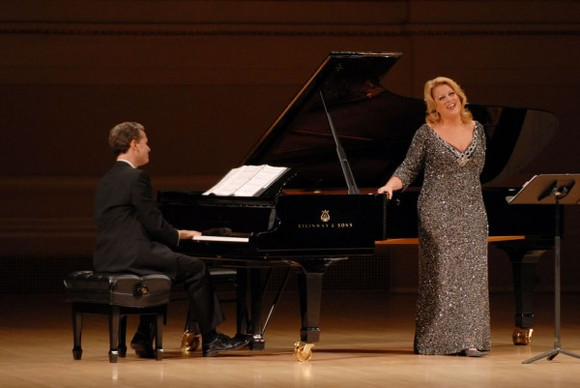
 Today at 2.30pm Voicebox:Opera in Concert are performing Bellini’s I Capuleti e i Montecchi. It’s Bellini’s take on Bandello rather than Shakespeare, not a lot happens and the orchestral music is ho hum so a semistaged version with piano isn’t a bad bet if the singing is good. Juliet is the up and coming Caitlin Wood. Romeo, on whom much depends, is Anita Krause. It’s at the St. Lawrence Centre for the Arts.
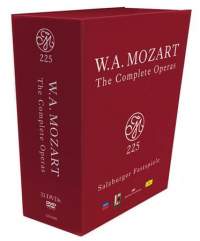 Deutsche Grammophon have re-released the Mozart M22 recordings in a new edition. It contains all the operas, singspiels and other bits and pieces mostly recorded at Salzburg in 2006. The whole thing comes to 33 DVDs recorded in HD and with 5.1 surround sound. It’s also incredibly cheap. Amazon.ca has it listed at C$139.99 including shipping. Full details are available on the
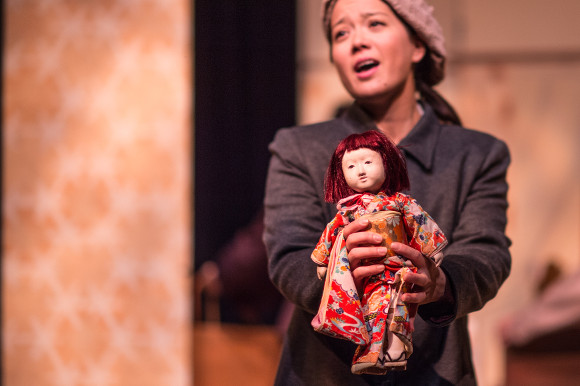

 Tomorrow (Sunday) afternoon Off Centre Music Salon opens its 2016/17 season at 3pm at Trinity St. Paul’s. It’s an all Russian show called Four Seasons or Mother Russia. It will feature songs by Prokofiev’s The Ugly Duckling and songs byTchaikovsky, and Rachmaninoff, as well as Arensky’s Piano Trio in D minor (op. 32). The highlight is the Toronto premiere of Valery Gavrilin’s song cycle Seasons inspired by Northern Russian folklore and chanting traditions. Performers include cellist Igor Gefter, pianists Inna Perkis and Boris Zarankin, violinist Mark Skazinetky and singers Joni Henson and Ryan Harper.
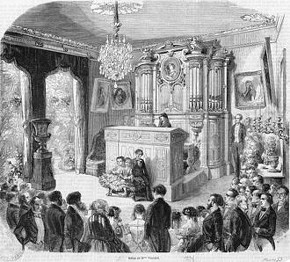 Pauline Viardot is one of those names that crops up quite a bit when one is researching the opera of the late nineteenth and early twentieth centuries. She was a mezzo-soprano of some note, friend (at the least) of both Turgenev and Chopin, hosted a notable Parisian salon and composed; though, being female, she was not taken entirely seriously by the musical establishment of the time. Among her compositions is a “chamber operetta”, Cendrillon, designed for performance at her salon and written when Viardot was already in her eighties. It’s going to be performed again this fall in Mazzoleni Hall at the Royal Conservatory and I sat down yesterday with director Joel Ivany to talk about the issues involved in staging such an unusual piece in a venue that’s not entirely opera friendly.