Lohengrin with a twist

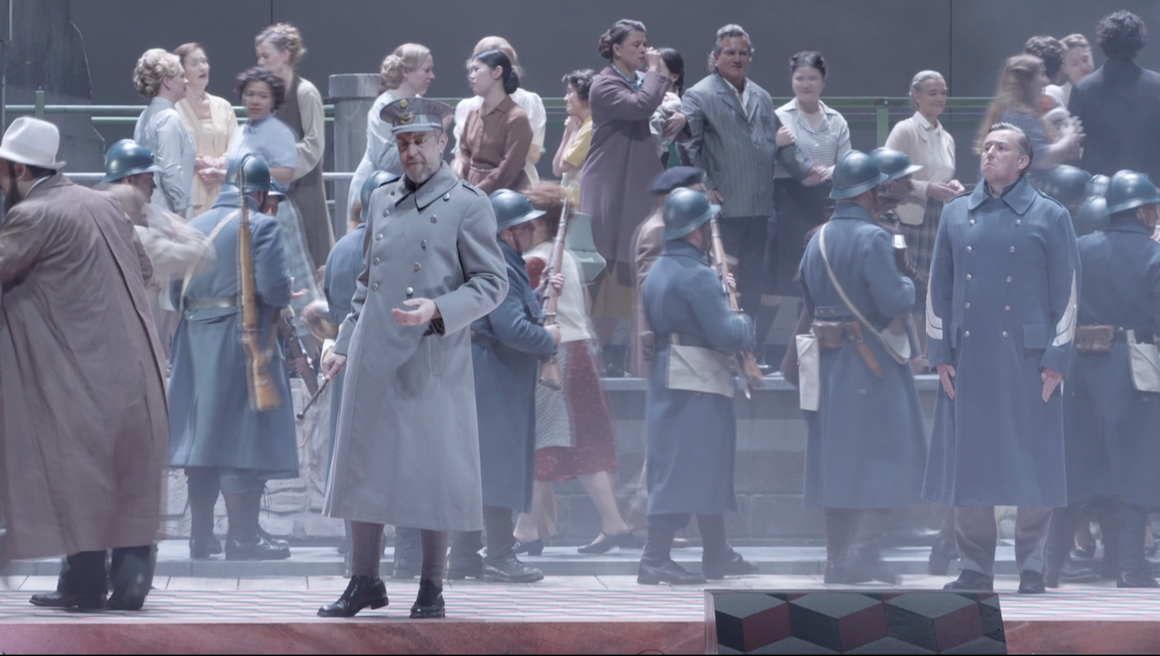
Sometimes opera directors come up with a twist to a plot hat is illuminating without requiring pretzel logic to actually align it with the libretto.  I think Jossi Wieler and Sergio Morabit’s production of Wagner’s Lohengrin for the Wiener Staatsoper in 2024 manages that pretty well.

Continue reading

Final thoughts on the Zürich Ring

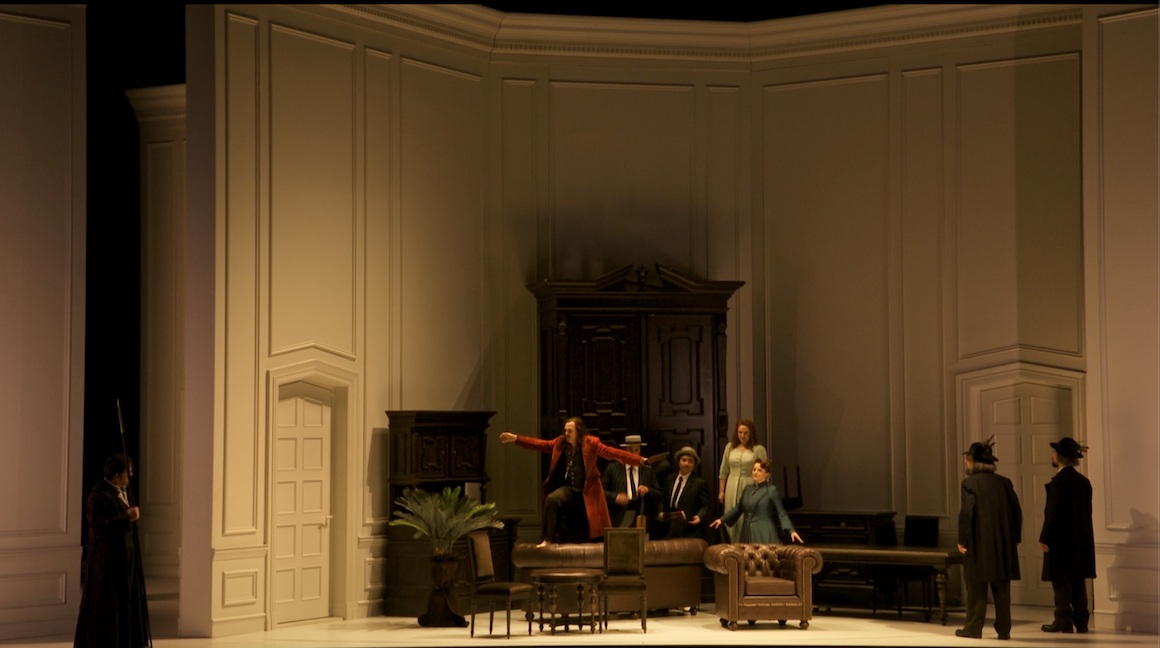
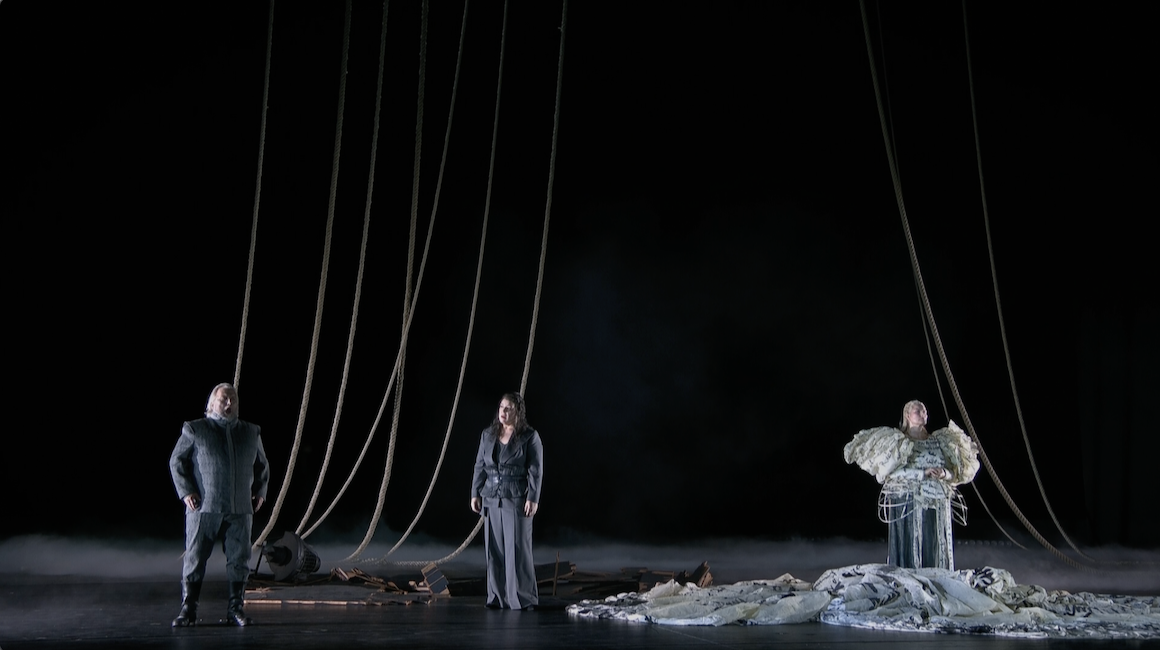
Overall I rate this cycle very highly.  Andreas Homoki’s production is unusual in that it’s really not conceptual and is often very literal.  That’s rare in Wagner productions in major European houses.  But it’s also not cluttered up with superfluous 19th century “stuff”.  When a thing is essential, it’s there as described.  If it’s not essential more often than not it’s omitted.

Continue reading

Zürich Ring – Götterdämmerung

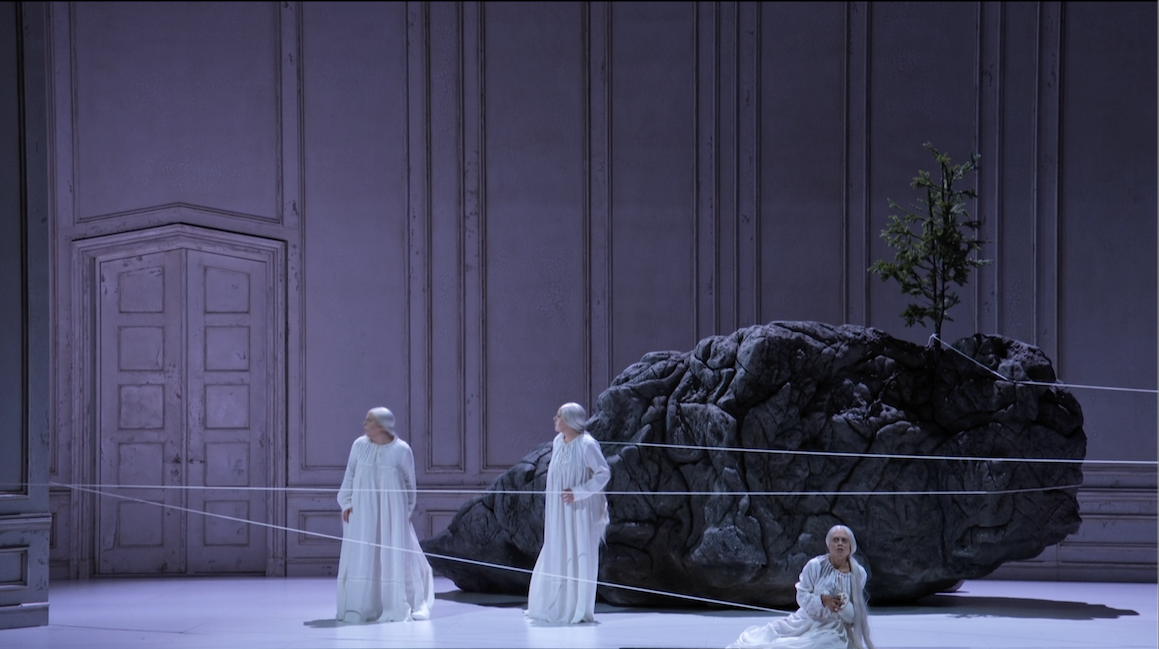
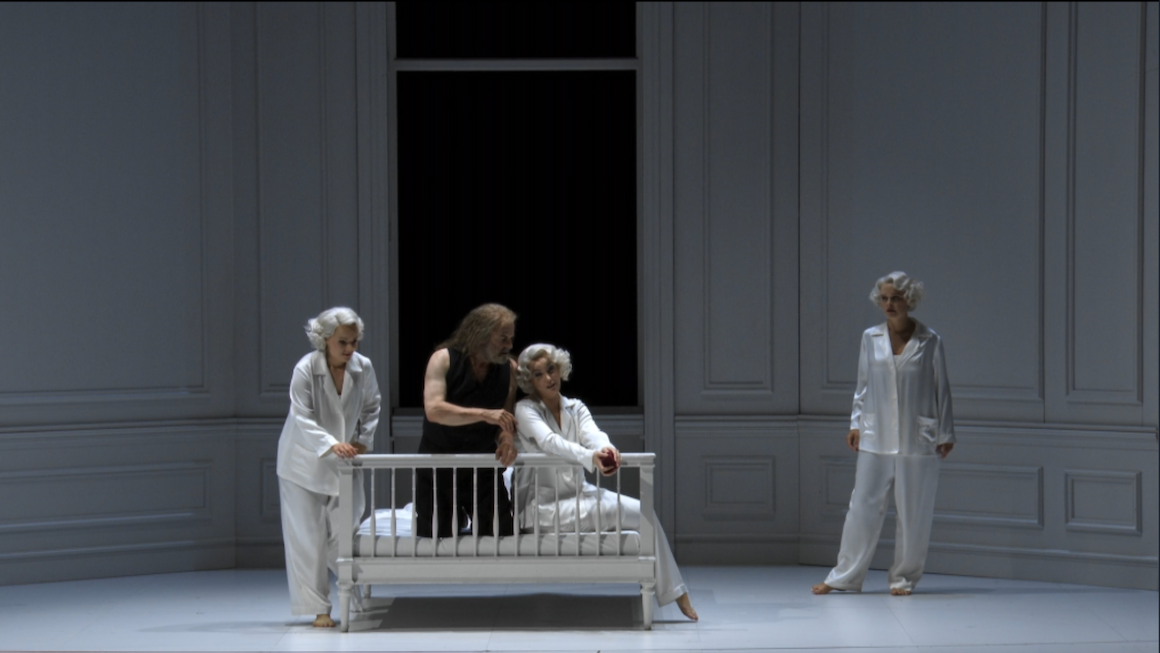
And so to the final instalment… We open with the Rock but now the background room; while still the same 18th/19th century mansion, looks a bit the worse for wear with peeling and cracked paint. The Norns, predictably, are all in white.  It’s all pretty conventional but done well.

Continue reading

Zürich Ring – Siegfried

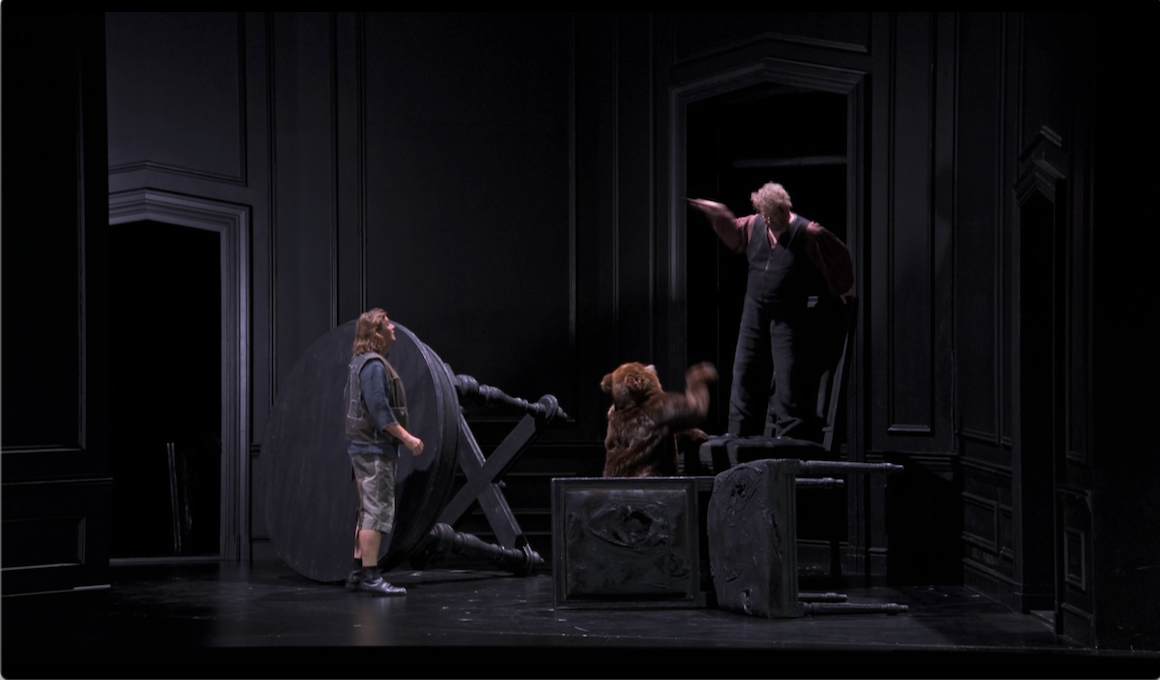
Siegfried has been described as the scherzo of the Ring cycle and Andreas Homoki seems to have at least partly run with that.  There are quite a few places, including some less obvious ones, where he seems to be going for laughs.  The obvious ones are obvious enough.  You can’t really have a bear in the first scene without it being comic but there were also times when Wanderer was camping it up a bit.  We’ll come back to that.

Continue reading

Zürich Ring – Die Walküre

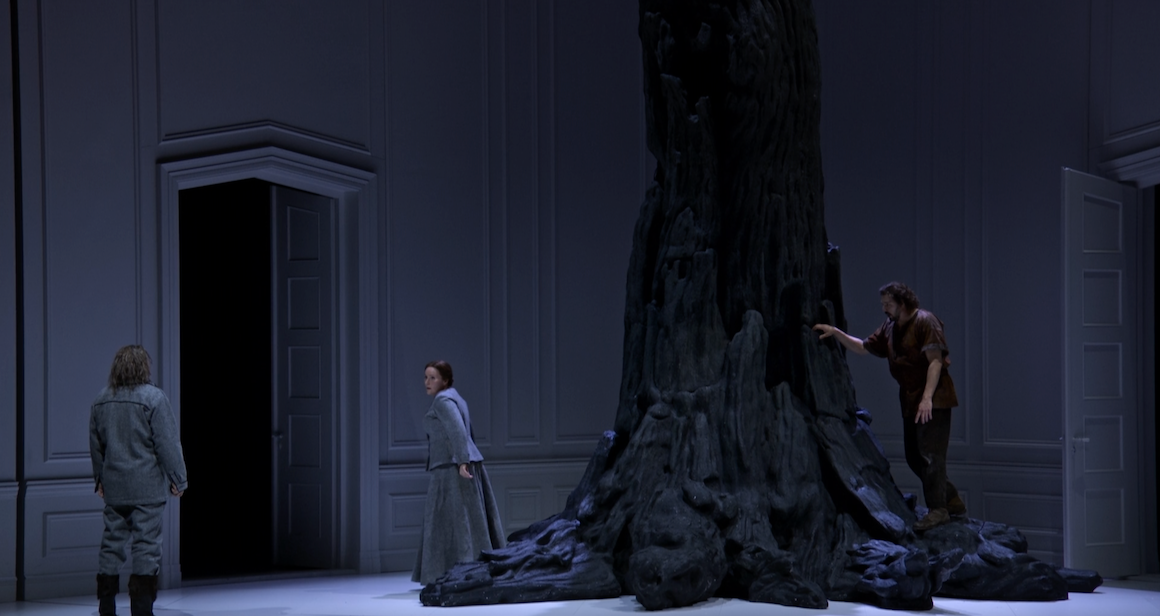
Continuing on from Das Rheingold we come to Die Walküre.  There’s a lot of continuity with the earlier work.  It’s basically the same rotating set though in some scenes one of the “rooms” becomes a forest.  Another thing we see is characters who aren’t canonically “there” appearing in scenes.  So right at the beginning, when Siegmund and Sieglinde meet, Wotan is lurking and doing things like handing drinks to Sieglinde.  We’ll see more of this with Hunding’s henchmen appearing in various places, Wotan and the henchmen appearing when Sieglinde is describing her wedding and the Valkyries showing up at the start of Act 2.

Continue reading

A new Ring from Zürich – Das Rheingold

A new production of Wagner’s Der Ring des Nibelungen is always a bit of an event and all the more so when it’s in the city where the work was composed.  Andreas Homoki’s production premiered and was recorded for video at Opernhaus Zürich in 2024.  I’ll be working my way through the whole cycle but here are my initial thoughts based on Das Rheingold.

Continue reading

Identität/個性

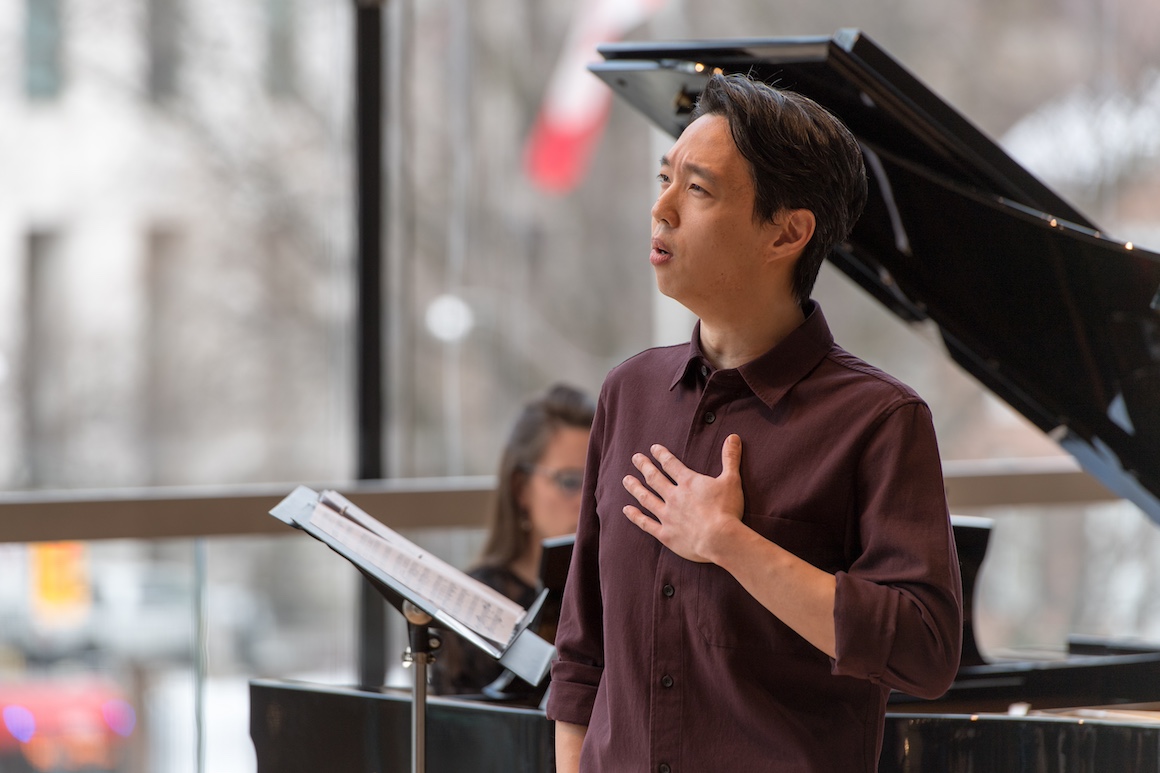
Wednesday’s lunchtime concert in the RBA was given by Ensemble Studio graduates Samuel Chan and Rachael Kerr, reuniting for the first time since ES days.  Nowadays Sam is Fest at Theater Kiel and the recital was built around his attempt to probe his identity as a Chinese-Canadian performing Western opera for (mostly) Germans.  Sam is a pretty deep, thoughtful kind of guy so it wasn’t surprising that this was an unusual and carefully curated recital.  It was also quite wonderfully performed.

Continue reading

Classical feuds

DI-00433Tuesday’s RBA concert with members of the Ensemble Studio was themed around composer rivalries though not the really toxic ones.  No Mozart/Salieri or Wagner/Meyerbeer here!  The most convincing as a rivalry was the first; Berlioz vs Rossini.  So Queen Hezumuryango sang “Le spectre de la rose” with some sensitive handling of the text and a pretty fiery “Cruda sorte” from L’Italiana in Algeri with plenty of emotion.  I definitely like her voice more when she’s going for drama as she’s got plenty of power and expressiveness.

Next up was Duncan Stenhouse with four pieces that illustrated the complex relationship between Brahms, Wagner and Dvořák.  “Der Tod, das ist die kühle Nacht” from the Vier Lieder Op. 96 and “Při řekách babylonských” from the Biblické písně  were sung with excellent control and expressiveness but if there’s a connection it’s not obvious to me.  The two operatic pieces though; “Běda!, Běda!” from Rusalka and “Abendlich strahlt der Sonne Auge” from Das Rheingold have, I think, more obvious affinities; both dramatically and musically.  Both were very well sung.  It’s so good to have a genuine bass in the Ensemble again! Continue reading

The Rheingold Research Centre

It’s pretty difficult to judge whether or not a high concept production of Wagner’s Ring cycle is going to work or not just from Das Rheingold but I thought Dmitri Tcherniakov’s production for Staatsoper unter den Linden recorded in 2022 was pretty promising.  His world is a large research complex designated ESCHE for reasons that aren’t clear.  The time period seems to be 1970s or thereabouts.  The research is essentially psychological and the characters are variously executives, scientists and experimental subjects.

1.stresslab

Continue reading